Category: Sports

  • Ultimate Guide to Tennis Court Flooring, Pickleball Court Flooring & Sports Infrastructure News

    Ultimate Guide to Tennis Court Flooring, Pickleball Court Flooring & Sports Infrastructure News

    Tennis and pickleball are growing rapidly across the world. Therefore, high-quality court flooring has become essential. Moreover, sports infrastructure is evolving with advanced materials and smart technologies. As a result, facility owners now focus on durability, performance, and aesthetics.

    In addition, modern flooring enhances player safety and game consistency. Consequently, choosing the right surface directly impacts the playing experience.


    Tennis Court Flooring: Types and Benefits

    Acrylic Tennis Court Flooring

    Acrylic surfaces dominate the tennis industry today. They provide consistent bounce and excellent grip. Furthermore, these courts are low maintenance and cost-effective.

    In addition, acrylic flooring resists weather damage effectively. Therefore, it suits outdoor installations perfectly. Most importantly, it offers customizable colors and textures.

    Synthetic Tennis Court Flooring

    Synthetic flooring delivers high shock absorption. As a result, it reduces player fatigue and injuries. Moreover, it performs well under heavy usage.

    This surface also requires minimal upkeep. Consequently, sports complexes prefer it for long-term investment.

    Clay Tennis Courts

    Clay courts offer slower gameplay and higher bounce. Therefore, they suit professional training environments. However, they demand regular maintenance.

    Despite that, players prefer clay for improved sliding and endurance training.

    Grass Tennis Courts

    Grass courts provide fast gameplay and low bounce. However, they require intensive care and frequent maintenance. Therefore, they are less common today.

    Still, they offer a premium playing experience.


    Pickleball Court Flooring: Key Options

    Acrylic Pickleball Court flooring

    Acrylic flooring works well for pickleball courts. It ensures smooth ball movement and player stability. Additionally, it allows quick installation on existing surfaces.

    Therefore, it remains a popular choice for clubs and communities.

    Concrete with Coating Systems

    Concrete courts with specialized coatings offer durability. Moreover, they withstand heavy traffic and harsh weather conditions.

    However, proper coating ensures better grip and reduced surface cracking.

    Modular Tile Flooring

    Modular tiles are gaining popularity in pickleball courts. They offer quick installation and easy maintenance. Furthermore, they provide excellent drainage.

    As a result, they suit both indoor and outdoor environments.


    Key Factors in Choosing Sports Flooring

    Durability and Longevity

    Durability remains a top priority for sports flooring. Therefore, materials must resist wear and tear effectively. High-quality surfaces last longer and reduce maintenance costs.

    Player Safety and Comfort

    Safety plays a crucial role in court design. Shock absorption reduces injury risks significantly. Moreover, proper grip prevents slipping during gameplay.

    Weather Resistance

    Outdoor courts face extreme weather conditions. Therefore, flooring must withstand heat, rain, and UV exposure. Acrylic systems perform exceptionally well in such conditions.

    Maintenance Requirements

    Low-maintenance surfaces save time and money. Consequently, facility owners prefer easy-to-clean flooring systems.


    Latest Trends in Sports Infrastructure

    Smart Sports Facilities

    Technology is transforming sports infrastructure news rapidly. Smart courts now include sensors and performance tracking systems. Therefore, players can analyze their game effectively.

    Eco-Friendly Materials

    Sustainability is becoming a major focus. Many manufacturers now use eco-friendly materials. As a result, sports facilities reduce their environmental impact.

    Multi-Sport Court Design

    Multi-sport courts are gaining popularity worldwide. They allow multiple games on a single surface. Therefore, they maximize space utilization.

    Advanced Coating Technologies

    New coating systems improve durability and performance. Moreover, they enhance color retention and surface strength.


    Maintenance Tips for Long-Lasting Courts

    Regular maintenance ensures optimal performance. First, clean the surface frequently to remove debris. Next, inspect for cracks and repair them quickly.

    Additionally, apply resurfacing coatings periodically. This step improves longevity and aesthetics. Moreover, proper drainage prevents water damage.


    Investment and Cost Considerations

    Initial investment varies based on flooring type. Acrylic courts are cost-effective and widely used. However, synthetic and modular systems may cost more.

    Despite higher costs, premium flooring offers better durability. Therefore, it provides long-term value.


    Conclusion: Building the Future of Sports Surfaces

    Tennis and pickleball flooring continue to evolve with innovation. Therefore, choosing the right surface is crucial for performance and safety. Moreover, modern sports infrastructure focuses on sustainability and technology.

    As demand grows, high-quality flooring solutions will shape the future. Consequently, investing in advanced court systems ensures long-term success.
  • Pickleball Court Flooring Tips for First-Time Court Builders

    Pickleball Court Flooring Tips for First-Time Court Builders

    Pickleball is no longer just a backyard game—it has become one of the fastest-growing sports worldwide. With rising participation in schools, clubs, residential societies, and sports academies, the demand for well-constructed pickleball courts is increasing rapidly. For first-time court builders, choosing the right pickleball court flooring is one of the most important decisions, as it directly affects gameplay, safety, durability, and long-term costs.

    This guide is designed to help beginners understand the essentials of pickleball court construction, the right pickleball court material, and how working with experienced pickleball court builders—such as Topflooring—can make the entire process smoother and more cost-effective.

    Understanding Pickleball Court Flooring Basics

    Pickleball courts are smaller than tennis courts but demand equal precision in surface quality. The flooring must provide consistent ball bounce, proper traction, and player comfort. Most modern courts use synthetic acrylic systems, as they offer an excellent balance of performance and durability.

    A well-designed pickleball court flooring system typically consists of:

    • A strong concrete or asphalt base

    • Multiple acrylic coating layers

    • Textured finishes for slip resistance

    • UV-stable color coatings and line markings

    For first-time builders, understanding this structure helps in making informed decisions from the start.

    Choose the Right Pickleball Court Material

    Selecting the correct pickleball court material is crucial. Acrylic-based surfaces are widely preferred because they are engineered specifically for outdoor and indoor sports use.

    Key benefits of acrylic pickleball court materials include:

    • Consistent and predictable ball bounce

    • Excellent grip and player safety

    • Resistance to weather and UV exposure

    • Low maintenance requirements

    Unlike temporary or low-quality surfaces, professional-grade acrylic materials ensure long-lasting performance even under heavy usage.

    Plan the Base Carefully During Construction

    One of the most common mistakes first-time court builders make is underestimating the importance of the base. A strong foundation is essential for successful pickleball court construction.

    The base should be:

    • Properly leveled

    • Designed with adequate drainage

    • Free from cracks and weak spots

    A poorly prepared base can lead to surface failures, cracks, and water pooling—issues that increase repair costs later. Investing in correct base preparation ensures that the pickleball court flooring performs as intended for years.

    Prioritize Player Safety and Comfort

    Pickleball involves quick lateral movement, sudden stops, and repetitive play. Flooring that is too hard or slippery can increase the risk of injuries.

    High-quality pickleball court flooring systems are designed with:

    • Textured finishes for anti-slip performance

    • Optional cushioned layers to reduce joint stress

    • Smooth, seamless surfaces that prevent tripping

    For first-time builders, focusing on safety not only protects players but also increases the overall value and usability of the court.

    Understand Pickleball Court Construction Requirements

    Proper pickleball court construction goes beyond just applying paint on a surface. Dimensions, line markings, net placement, and surface texture must follow standard guidelines to ensure fair play.

    Professional builders ensure:

    • Accurate court dimensions and layout

    • Clear, long-lasting line markings

    • Correct surface slope for water drainage

    These technical details significantly impact gameplay quality and should never be overlooked.

    Think Long-Term: Maintenance and Durability

    One of the main reasons acrylic pickleball courts are popular is their low maintenance nature. However, first-time builders should still plan for basic upkeep.

    Routine maintenance typically includes:

    • Periodic cleaning to remove dust and debris

    • Visual inspections for minor surface wear

    • Occasional resurfacing after years of use

    Choosing high-quality pickleball court material from the beginning reduces long-term maintenance costs and extends the court’s lifespan.

    Work with Experienced Pickleball Court Builders

    For beginners, partnering with experienced pickleball court builders can save time, money, and stress. Professionals understand local site conditions, material behavior, and installation best practices.

    Expert builders help with:

    • Material selection based on usage and climate

    • Efficient construction timelines

    • Long-lasting and performance-driven installations

    Brands like Topflooring support builders and project owners with reliable pickleball court flooring solutions that meet modern performance standards.

    Budget Smartly Without Compromising Quality

    While cost is always a factor, first-time builders should avoid choosing flooring solely based on the lowest price. Cheap materials often lead to higher repair and resurfacing expenses later.

    A balanced approach includes:

    • Investing in durable pickleball court material

    • Ensuring professional installation

    • Planning for long-term operational savings

    This strategy results in better return on investment and a superior playing experience.

    Indoor vs Outdoor Pickleball Court Flooring

    First-time builders should also consider where the court will be installed. Outdoor courts require UV-resistant, weatherproof materials, while indoor courts focus more on controlled bounce and aesthetics.

    Acrylic pickleball court flooring systems can be customized for both environments, making them a versatile choice for different project needs.

    Final Thoughts

    Building a pickleball court for the first time can feel overwhelming, but the right approach makes all the difference. By choosing the correct pickleball court flooring, investing in high-quality pickleball court material, and working with experienced pickleball court builders, first-time builders can create a court that is safe, durable, and enjoyable for players of all skill levels.

    With reliable solutions and industry knowledge from brands like Topflooring, pickleball court construction becomes a well-planned investment rather than a trial-and-error process. A thoughtfully built court not only enhances gameplay but also stands as a long-term asset in the rapidly growing world of pickleball.

  • Why Acrylic Flooring is the Ideal Choice for Pickleball Courts

    Why Acrylic Flooring is the Ideal Choice for Pickleball Courts

    Pickleball, one of the fastest-growing sports in the world, demands more than just paddles and nets—it requires a playing surface that enhances performance, reduces injuries, and lasts through all seasons. As the popularity of this sport grows across India and globally, choosing the right floor court becomes essential for both private facilities and public sports complexes. One solution stands out from the rest: acrylic flooring.

    Built for outdoor and indoor use, acrylic floors provide a perfect blend of performance, aesthetics, and longevity. From the bounce of the ball to the safety of the players, this type of surface checks all the boxes. Let’s explore why acrylic sports flooring is becoming the top choice for pickleball court construction and how it outperforms traditional alternatives in every aspect.


    What is Acrylic Sports Flooring?

    Acrylic flooring is a type of surface coating made from 100% synthetic resins mixed with high-performance court paint, silica sand, and other synthetic flooring materials. It’s applied over a prepared concrete or asphalt synthetic ground to form multiple layered systems, typically a 5-layer or 8-layer system depending on the application.

    These layers include:

    • Acrylic resurfacer for base levelling

    • Cushion layers (optional for shock absorption)

    • Acrylic floor paint for aesthetics and texture

    • Acrylic floor finish for enhanced durability and gloss

    When completed, the result is a professional-grade sport court that resists weather, UV rays, water absorption, and heavy foot traffic.

    Why Acrylic is Perfect for Pickleball Courts

    1. Consistent Bounce and Ball Control

    In a game like pickleball, where the ball is lightweight and bounce-sensitive, the consistency of the synthetic court plays a vital role. Acrylic provides a medium-fast surface that allows for predictable ball behavior. Unlike uneven or worn-out concrete surfaces, an acrylic floor ensures each bounce reacts the same, aiding competitive fairness and player performance.

    2. Player Safety and Comfort

    Slips, trips, and joint injuries are common on hard or poorly maintained surfaces. Synthetic pickleball court flooring made with acrylic layers offers slip resistance and slight cushioning—especially when a cushioned base system is used. This reduces joint stress and makes the game safer for players of all ages.

    3. Weather Resistance

    India’s climate, with its intense summers and heavy monsoons, can damage traditional floor court materials. But acrylic floors are engineered to handle UV exposure and rapid water runoff. The textured coating is also non-absorbent, which prevents water damage and allows for quick drying after rain.

    How Synthetic Flooring Materials Improve Durability

    Durability is a critical factor for any pickleball court whether it’s installed in a school, club, township, or a dedicated sports facility. Synthetic flooring materials used in acrylic-based systems include high-grade polymers and UV stabilizers that extend the life of the court.

    • Long-lasting Color: The court paint used in these systems resists fading even in direct sunlight.

    • Scratch and Wear Resistance: The acrylic floor finish adds a protective layer that withstands friction from shoes and equipment.

    • Minimal Maintenance: No need for regular polishing or sealing—basic cleaning is enough.

    Design Flexibility and Aesthetics

    Pickleball is not just about performance—it’s also about creating an inviting, vibrant space for players. Acrylic flooring can be customized in various colors, making it easy to match brand themes or club aesthetics. Dual-tone designs and logo incorporations are also possible with acrylic floor paint.

    Color options are available in ITF-approved shades, and vibrant color combinations (such as blue-and-green or red-and-grey) help distinguish playing zones and improve visibility for players.

    When comparing different flooring options for pickleball courts, acrylic flooring consistently outperforms alternatives like tiles, turf, or traditional concrete and asphalt surfaces. One of its biggest advantages is bounce quality—acrylic surfaces provide excellent and consistent bounce, which is crucial for pickleball’s fast-paced rallies. In contrast, tile or turf courts often result in inconsistent ball response, while concrete or asphalt courts offer a hard and unpredictable bounce that can disrupt gameplay.

    In terms of weather resistance, acrylic coatings are engineered to withstand extreme sunlight, rain, and temperature fluctuations without cracking or fading. Turf and tiles offer moderate protection but may wear down faster under UV exposure, and concrete/asphalt surfaces tend to degrade or crack in harsh conditions.

    Maintenance is another area where acrylic floors shine. They require minimal upkeep—routine cleaning is usually enough—while tiles and turf demand frequent maintenance to prevent wear and displacement. Concrete and asphalt need periodic sealing and repairs to prevent surface damage.

    While the initial installation cost of acrylic flooring is affordable and offers great value over time, tiles or modular turf courts are often more expensive. Concrete or asphalt may be cheaper initially, but long-term maintenance and resurfacing increase their overall cost.

    Customization options are much more flexible with acrylic flooring. A wide range of court paint colors and finishes are available, allowing for vibrant designs, logos, and ITF-standard markings. In comparison, tiles and turf offer limited design flexibility, and concrete or asphalt typically lack any aesthetic appeal unless additional coatings are applied.

    Finally, player comfort is noticeably higher on acrylic systems—especially when cushioned base layers are included. These layers reduce joint impact and increase shock absorption, making it safer and more comfortable for players. Tiles and turf offer moderate comfort, but cannot match the resilience and grip of acrylic. Concrete and asphalt are the hardest on players’ joints, increasing the risk of injuries during prolonged play.

    Installation Process of an Acrylic Pickleball Court

    A typical installation of a synthetic court using acrylic flooring involves the following stages:

    1. Base Preparation: A concrete or asphalt synthetic ground is cleaned and levelled.

    2. Acrylic Resurfacer: This first layer evens the surface and fills micro-cracks.

    3. Cushion Layers (Optional): Applied if a softer, more forgiving court is needed.

    4. Color Coating: Two or more layers of court paint for grip and visibility.

    5. Line Marking: Using ITF-standard colors and acrylic floor paint.

    6. Top Finish: An acrylic floor finish layer seals the system and adds a semi-gloss effect.

    The entire process can be completed in a few days, depending on weather conditions and court size.

    Sustainability and Environmental Benefits

    Modern synthetic flooring solutions also align with eco-conscious construction. Acrylic coatings are low-VOC (volatile organic compounds), meaning they release fewer harmful chemicals into the atmosphere during application. Their long lifespan and minimal maintenance also reduce waste and conserve resources.

    Moreover, these sport court surfaces can be resurfaced rather than rebuilt, minimizing material usage over time.

    Where to Use Acrylic Pickleball Courts

    • Schools and Universities

    • Residential Townships

    • Recreational Parks

    • Clubs and Training Academies

    • Corporate Wellness Facilities

    Wherever people want a long-lasting, attractive, and professional-grade pickleball court flooring, acrylic flooring fits the bill.

    Conclusion

    Whether building a new court or resurfacing an old one, using synthetic flooring materials like acrylic ensures long-term value. The surface is built to endure the intense rallies of pickleball while keeping players safe and comfortable.

    From its UV-resistant acrylic floor finish to the vibrant court paint, every layer is designed for lasting impact. Choosing acrylic is not just a construction decision—it’s an investment in quality, safety, and sustainability.

  • Common Mistakes in Tennis Court Flooring (And How to Avoid Them)

    Common Mistakes in Tennis Court Flooring (And How to Avoid Them)

    A well-built tennis court offers consistent bounce, safe footing, and weather resistance that lasts for years. But achieving that level of quality depends heavily on the choices made during the construction process—especially when it comes to tennis court flooring.

    From incorrect base preparation to using low-grade surface materials, even small mistakes can lead to cracks, fading, and expensive repairs. Whether you’re building a private court, a school facility, or a public sports arena, understanding these common missteps is the first step to creating a surface that performs well and stands the test of time.

    In this post, we explore the most common tennis court construction mistakes and how to avoid them with smart planning and the right materials.

    1. Poor Base Preparation

    One of the most overlooked but critical elements of tennis court construction is the base. If the base isn’t compacted properly or lacks proper slope and drainage, the court will suffer from water retention, uneven surfaces, and eventual cracking.

    Avoid it by:

    • Using a solid concrete or asphalt base

    • Ensuring a 1% slope for drainage

    • Compacting the sub-base thoroughly

    • Hiring experienced groundwork professionals

    A bad base compromises even the best tennis court surface materials. Always start strong.

    1. Choosing the Wrong Surface Material

    Not all surfaces are made equal. In India, where heat, dust, and monsoons are part of the year-round climate, choosing the right outdoor tennis court surface is essential.

    Avoid it by:

    • Choosing synthetic tennis court flooring, especially acrylic systems

    • Avoiding painted concrete or tiles that crack and fade quickly

    • Opting for ITF-certified, UV-resistant materials suitable for Indian weather

    Acrylic tennis court flooring provides a seamless, anti-slip, and color-stable surface that is ideal for both recreational and competitive play.

    1. Inadequate Surface Leveling

    An uneven surface affects ball bounce, player comfort, and overall performance. It can also lead to water collection in dips, making areas of the court unplayable.

    Avoid it by:

    • Using laser leveling tools during base construction

    • Applying resurfacer coats properly

    • Ensuring surface evenness before color coats and line marking

    Inconsistent surface leveling is a common but easily preventable mistake in tennis court flooring in India.

    1. Ignoring Weather Conditions During Installation

    Humidity, heat, or rainfall during installation can negatively impact how coatings cure, leading to poor adhesion, bubbling, or premature wear.

    Avoid it by:

    • Planning installation during dry weather

    • Avoiding midday application during peak summer months

    • Allowing proper curing time between each layer

    Even the highest quality tennis court surface materials won’t perform well if applied in the wrong conditions.

    1. Skipping Cushion Layers (When Needed)

    Many builders skip cushion coatings to reduce cost, but for training academies or high-usage courts, cushion layers provide essential joint protection and surface shock absorption.

    Avoid it by:

    • Using a 5-layer or 8-layer acrylic cushion system depending on player volume

    • Discussing player age and usage frequency with your builder

    • Choosing flooring systems tailored to your needs, not just budget

    Synthetic tennis court flooring can be customized with cushion layers for added safety and comfort.

    1. Low-Quality Line Marking Paint

    Using standard paint for court markings is a mistake that affects both visibility and durability. Over time, the lines fade or wear off unevenly, affecting gameplay.

    Avoid it by:

    • Using UV-resistant, anti-skid line marking paint made for tennis courts

    • Ensuring measurements comply with ITF standards

    • Reapplying lines as part of regular tennis court maintenance

    Precision line work is a small detail that makes a big difference in court quality.

    1. Neglecting Regular Maintenance

    Once the court is built, regular maintenance is essential to preserve the surface. Without cleaning, touch-ups, and inspections, even the best courts deteriorate.

    Avoid it by:

    • Cleaning debris weekly

    • Washing the surface monthly

    • Inspecting cracks or discoloration quarterly

    • Recoating the court every 4–6 years

    Proactive tennis court maintenance extends lifespan and improves play quality.

    Conclusion

    Building a high-quality tennis court isn’t just about following a blueprint—it’s about understanding what can go wrong and making the right choices at every step. From base preparation to material selection and maintenance, each decision affects the court’s performance, safety, and longevity.

    By using durable, weather-resistant materials like acrylic tennis court flooring, and following best practices in construction, you can avoid common mistakes and deliver a court that players will love.

    Top Flooring offers premium-grade synthetic tennis court flooring and complete guidance for builders, schools, sports academies, and public facilities. Build smarter, avoid mistakes, and invest in a surface that lasts.

  • Wolverine Peptide Stack: Your Guide to Buying Peptides in the UK Safely and Effectively

    Wolverine Peptide Stack: Your Guide to Buying Peptides in the UK Safely and Effectively

    If you’re seeking faster recovery, enhanced healing, and improved muscle growth, the Wolverine peptide stack has become a popular solution among fitness enthusiasts and athletes alike. This potent stack usually combines BPC 157 and TB 500, two powerful peptides known for their tissue-regenerating and anti-inflammatory properties. Whether you’re recovering from an injury or looking to optimize your physical performance, using these peptides can provide substantial benefits.

    In the UK, the demand for therapeutic peptides like BPC 157, TB 500, and Ipamorelin is growing rapidly. However, with the increasing popularity of these compounds, many users are now faced with the challenge of finding a trustworthy and reliable source. This guide will help you understand where and how to buy BPC 157 peptide in the UK, as well as other key peptides in the stack like TB 500 and Ipamorelin.

    What is the Wolverine Peptide Stack?

    The Wolverine peptide stack is named after the Marvel character known for his rapid healing abilities. The stack includes:

    • BPC 157: Known as “Body Protection Compound,” BPC 157 is derived from a gastric protein and is highly effective in promoting muscle and tendon repair, improving joint health, and reducing inflammation.

    • TB 500: This peptide is a synthetic version of Thymosin Beta-4 and is used for its regenerative effects on soft tissues, muscles, ligaments, and even the cardiovascular system.

    • Ipamorelin: A growth hormone-releasing peptide that promotes fat loss, increases lean muscle mass, and supports better sleep and recovery.

    Combined, these peptides create a synergistic effect that mimics Wolverine’s healing powers—hence the name.

    Where to Buy BPC 157 Peptide in the UK

    When looking to buy BPC 157 peptide in the UK, quality should be your top priority. Always choose a supplier that offers third-party lab-tested peptides, preferably with certificates of analysis (COA) available for each batch. BPC 157 is typically sold in lyophilized powder form, and it should be reconstituted using bacteriostatic water before use. Look for vendors who also provide detailed usage instructions and dosage guidelines.

    How to Buy TB 500 Peptide in the UK

    Much like BPC 157, TB 500 is also available from various peptide suppliers in the UK. When you buy TB 500 peptide in the UK, ensure the product is stored and shipped properly to maintain its efficacy. TB 500 is particularly effective when combined with BPC 157 in the Wolverine stack, as the two peptides complement each other’s healing mechanisms. A reputable seller should provide secure packaging, fast delivery options, and responsive customer service.

    Best Place to Buy Peptides in the UK

    Finding the best place to buy peptides UK requires research. Start by reading customer reviews, checking product guarantees, and looking into the company’s background. Reliable online peptide shops will usually specialize in research chemicals and provide comprehensive information on peptide purity, sourcing, and safety standards. Transparency and consistency are key when selecting a supplier.

    It’s worth noting that peptides sold online in the UK are often labeled as “for research use only.” While this may sound discouraging, it is a standard legal precaution. Be sure to comply with local regulations and consult a healthcare professional before using any peptides.

    Buy Ipamorelin Peptide UK – What to Know

    If you’re planning to buy Ipamorelin peptide UK residents should also look for vendors that provide information on storage, dosage, and possible side effects. Ipamorelin is generally well-tolerated and has minimal side effects compared to other growth hormone-releasing peptides. Its use in bodybuilding and anti-aging protocols makes it a valuable addition to any peptide regimen.

    Final Thoughts

    The Wolverine peptide stack—featuring BPC 157, TB 500, and Ipamorelin—is a powerful tool for anyone looking to accelerate recovery, build lean muscle, and improve overall well-being. However, the key to getting real results lies in sourcing high-quality peptides from a trustworthy supplier. Whether you’re aiming to buy BPC 157 peptide in the UK or exploring options to buy TB 500 peptide in the UK, always prioritize purity, safety, and transparency.

    Ipamorelin peptide UK users are also advised to follow responsible usage practices to ensure optimal outcomes. In a rapidly growing market, doing your homework can make all the difference in your peptide journey.

  • Tennis Court Flooring: A Complete Guide to Construction & Measurements

    Tennis Court Flooring: A Complete Guide to Construction & Measurements

    Introduction

    Tennis is a sport enjoyed by millions worldwide, and having a well-constructed court is crucial for optimal gameplay. Whether constructing a professional tennis court or a recreational one, understanding the correct tennis court size, dimensions, and flooring options is essential. From standard measurements to surface materials, every aspect contributes to the overall playing experience.


    This guide provides a comprehensive overview of tennis court dimension, construction details, and flooring choices to support informed decision-making.

    Tennis Court Size & Dimensions

    A standard tennis court follows specific dimensions set by the International Tennis Federation (ITF). These measurements apply to both singles and doubles matches:

    Standard Tennis Court Dimensions:

    • Total Length: 78 feet (23.77 meters)
    • Total Width: 36 feet (10.97 meters) for doubles and 27 feet (8.23 meters) for singles
    • Service Box Length: 21 feet (6.4 meters) from the net
    • Net Height: 3 feet (0.914 meters) at the center and 3.5 feet (1.07 meters) at the posts
    • Baseline to Net Distance: 39 feet (11.89 meters)
    • Doubles Alley Width: 5 feet (1.37 meters) on each side
    • Runoff Area (Recommended for Safe Play): At least 21 feet (6.4 meters) behind the baseline and 12 feet (3.7 meters) on the sides

    Court Markings & Layout

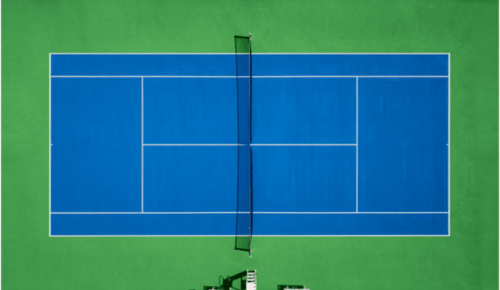
    A tennis court consists of various key areas marked for gameplay:

    • Baseline: The boundary at the back of the court
    • Singles Sideline: Marking for singles matches
    • Doubles Sideline: Marking for doubles matches
    • Service Line: The halfway mark between the baseline and the net
    • Center Mark: A small line dividing the baseline for service positioning
    • Service Boxes: Two equal-sized boxes on each side of the net

    Tennis Court Construction Process

    Building a tennis court requires careful planning, proper materials, and expert installation. The construction process typically includes the following steps:

    Site Preparation

    • Leveling the ground and ensuring proper drainage
    • Establishing a solid base for long-term durability


    Base Layer Installation

    • Commonly made of concrete or asphalt to provide a stable foundation
    • Ensures longevity and smooth surface application


    Acrylic Resurfacer Application

    • This layer smooths out imperfections and enhances surface quality


    Cushion Coat & Color Coating


    Line Marking & Final Touches

    • High-quality white acrylic paint applied for clear and long-lasting boundary lines
    • Correct measurements ensured for compliance with ITF standards

    Tennis Court Flooring Options

    Selecting the right tennis court flooring is critical for game performance and player safety. Here are the most popular surfaces used in professional and recreational tennis courts:


    • Acrylic Surface on Concrete or Asphalt
    • Most commonly used for professional tournaments like the US Open & Australian Open
    • Provides consistent ball bounce and fast-paced gameplay
    • Requires minimal maintenance
    • Uses acrylic floor painting for a smooth and durable finish

    Why Choose Acrylic Flooring for Tennis Courts?

    Acrylic flooring is one of the best choices for outdoor sports flooring due to its durability, traction, and ease of maintenance. Benefits include:

    • Smooth and uniform surface for consistent gameplay
    • Weather-resistant and long-lasting material
    • Customizable colors for aesthetic appeal
    • Low maintenance compared to clay and grass courts
    • Enhanced player safety with anti-slip properties

    Conclusion

    Understanding the tennis court size, dimensions, and flooring options is crucial for building a professional or recreational court. The right surface, proper measurements, and high-quality synthetic acrylic flooring materials ensure optimal performance and longevity. Whether constructing a new synthetic court or resurfacing an existing one, choosing durable materials like acrylic floor painting enhances the overall playing experience.

  • Tennis Court vs. Basketball Court: Which is the Right Choice for You?

    Tennis Court vs. Basketball Court: Which is the Right Choice for You?

    Are you considering installing a sports court but can’t decide between a tennis court and a basketball court? Both tennis and basketball are popular sports that offer numerous health and recreational benefits. However, the choice between the two ultimately depends on your preferences, space availability, and specific needs. In this article, we will explore the characteristics and considerations associated with tennis courts and basketball courts to help you make an informed decision.

    Tennis Courts

    Surface and Dimensions

    Tennis courts are traditionally made with hard surfaces, such as concrete or asphalt, but can also be made with grass or synthetic materials. The standard dimensions for a tennis court are 78 feet long and 36 feet wide for singles matches, and 78 feet long and 27 feet wide for doubles matches.

    Equipment and Accessories

    To play tennis, you will need a tennis racket, Tennis court installation, a net, and appropriate footwear. Additionally, accessories such as ball hoppers, scoreboards, and benches can enhance the playing experience and convenience.

    Playing Style and Skills

    Tennis is a sport that requires agility, speed, and hand-eye coordination. It involves singles or doubles matches where players use rackets to hit the ball over the net and into the opponent’s court. Tennis can be played at various skill levels, from casual recreational play to professional competitions.

    Basketball Courts

    Surface and Dimensions

    Basketball courts are typically made with hard surfaces like concrete or asphalt. The standard dimensions of a basketball court are 94 feet long and 50 feet wide for professional play. However, for recreational use, smaller dimensions can be considered.

    Equipment and Accessories

    To play basketball, you will need a basketball, a hoop, and appropriate footwear. Depending on the level of play, additional equipment such as basketball nets, lines, and backboards may be required.

    Playing Style and Skills

    Basketball is a fast-paced sport that involves shooting, dribbling, and passing the ball. It can be played individually or in teams. Basketball requires skills such as agility, coordination, and teamwork. The sport offers various playing styles, from casual street games to organized leagues.

    Factors to Consider

    Space Requirements

    Before deciding on a tennis court or basketball court, consider the available space on your property. Tennis courts require more space due to their larger dimensions compared to basketball courts. Ensure that there is enough room for players to move freely and safely without any obstructions.

    Budget Considerations

    Budget is an essential factor when choosing between a tennis court and basketball court. Tennis court construction, maintenance, and equipment costs are generally higher compared to basketball courts. Consider your financial resources and long-term maintenance requirements before making a decision.

    Accessibility and Popular Demand

    Another consideration is the popularity and accessibility of the sport in your area. If tennis is more popular and widely played in your community, installing a tennis court may attract more users and potentially increase property value. Similarly, if basketball is the preferred sport in your area, a basketball court may be a more suitable choice.

    Comparison of Benefits

    Physical Fitness and Health Benefits

    Both tennis and basketball offer excellent physical fitness benefits. Tennis provides a full-body workout, enhancing cardiovascular health, muscular strength, and coordination. Basketball improves agility, endurance, and overall fitness levels through running, jumping, and rapid movements on the court.

    Social Interaction and Teamwork

    Basketball promotes social interaction and teamwork due to its team-oriented nature. Playing in teams fosters camaraderie, communication, and cooperation among players. Tennis, on the other hand, offers opportunities for one-on-one competition and individual skill development.

    Skill Development and Learning Curve

    Tennis and basketball require different skill sets and have varying learning curves. Tennis involves developing techniques for serving, volleying, and maintaining rally consistency. Basketball focuses on shooting, dribbling, passing, and strategic plays. Consider your interest in mastering specific skills and the time you can dedicate to practice when choosing a sport. The choice between a tennis court and a basketball court depends on several factors. Consider the space available, budget constraints, popularity of the sport, and the specific benefits and skills associated with each sport. Tennis offers a refined and individual-focused experience, while basketball provides a team-oriented and dynamic environment. Ultimately, choose the option that aligns with your preferences, goals, and the needs of those who will be using the court.

  • 5 Strategies to Boost Your Swimming Performance

    5 Strategies to Boost Your Swimming Performance

    Introduction
    Develop a Strong Technique
    a. Proper Body Alignment and Posture
    b. Efficient Stroke Mechanics
    c. Controlled Breathing
    Incorporate Strength and Conditioning Training
    a. Core Strengthening Exercises
    b. Resistance Training
    c. Cardiovascular Conditioning
    Optimize Your Nutrition and Hydration
    a. Proper Pre- and Post-Workout Nutrition
    b. Hydration Tips for Swimmers
    Mental Preparation and Focus
    a. Visualization Techniques
    b. Positive Self-Talk
    Conclusion
    Introduction:
    Swimming is an excellent form of exercise that offers numerous health benefits, such as improving cardiovascular health, increasing muscle tone, and reducing stress. If you are a competitive swimmer or looking to improve your swimming performance, there are various strategies you can implement to enhance your technique, strength, and endurance. In this article, we will explore five strategies to boost your swimming performance.

    Develop a Strong Technique:

    a. Proper Body Alignment and Posture: Maintaining proper body alignment and posture in the water is essential for a streamlined and efficient swim. Keep your body level, and your head aligned with your spine.

    b. Efficient Stroke Mechanics: Efficient stroke mechanics are crucial for a fast and efficient swim. Work with a coach to develop proper technique for each of the four competitive strokes: freestyle, backstroke, breaststroke, and butterfly.

    c. Controlled Breathing: Proper breathing techniques can help you maintain a consistent rhythm and pace in the water. Practice controlled breathing during each stroke to improve your overall swimming performance.

    Incorporate Strength and Conditioning Training:

    a. Core Strengthening Exercises: A strong core is essential for a powerful and efficient swim. Incorporate exercises such as planks, Russian twists, and leg raises to improve your core strength.

    b. Resistance Training: Resistance training can help improve your strength and power in the water. Incorporate exercises such as squats, lunges, and deadlifts to build overall strength.

    c. Cardiovascular Conditioning: Swimming is an excellent form of cardiovascular exercise, but supplementing with other forms of cardio such as running or cycling can help increase your endurance and overall fitness level.

    Optimize Your Nutrition and Hydration:

    a. Proper Pre- and Post-Workout Nutrition: Eating a balanced diet with sufficient protein, carbohydrates, and healthy fats is crucial for optimal performance. Eating a small snack before swimming can help provide energy and maintain blood sugar levels. After swimming, refuel with a balanced meal to aid in recovery.

    b. Hydration Tips for Swimmers: Staying hydrated is crucial for optimal swimming performance. Drink plenty of water before, during, and after swimming, and consider electrolyte replacement drinks for longer sessions.

    Mental Preparation and Focus:

    a. Visualization Techniques: Visualization techniques can help improve your swimming performance by mentally rehearsing each stroke and race scenario.

    b. Positive Self-Talk: Positive self-talk can help improve your confidence and motivation in the water. Practice positive affirmations before and during training sessions and competitions.

    Conclusion:
    Incorporating these strategies into your training regimen can help boost your swimming performance and take your swimming to the next level. Remember to always prioritize proper technique, strength and conditioning, nutrition and hydration, and mental preparation for optimal performance in the water.

  • 7 Reasons Why Cycling is Great for Your Health

    7 Reasons Why Cycling is Great for Your Health

    Introduction
    Cycling for Physical Fitness
    a. Cardiovascular Health
    b. Muscle Tone and Strength
    c. Weight Management
    Mental Health Benefits of Cycling
    a. Reduced Stress and Anxiety
    b. Improved Mood and Mental Well-being
    Environmental Benefits of Cycling
    a. Reduced Carbon Footprint
    b. Less Air Pollution
    Economic Benefits of Cycling
    a. Cost-effective Mode of Transportation
    b. Reduced Healthcare Costs
    Cycling for Social Benefits
    a. Opportunity for Social Interaction
    b. Increased Sense of Community
    Conclusion
    Introduction:
    Cycling is a popular form of exercise and transportation that provides numerous health benefits. Whether you are cycling to work or hitting the road on a weekend ride, cycling can improve your physical, mental, and social well-being. In this article, we will explore the reasons why cycling is great for your health.

    Cycling for Physical Fitness:

    a. Cardiovascular Health: Cycling is a great cardiovascular exercise that can improve heart and lung function, lower blood pressure, and reduce the risk of heart disease.

    b. Muscle Tone and Strength: Cycling is a low-impact exercise that can help tone and strengthen your leg muscles, as well as improve your core strength and balance.

    c. Weight Management: Cycling is an effective way to burn calories and manage weight. Depending on your intensity level and duration of cycling, you can burn between 400 to 1000 calories per hour.

    Mental Health Benefits of Cycling:

    a. Reduced Stress and Anxiety: Cycling can help reduce stress and anxiety levels by promoting the release of endorphins, which are natural mood-boosters.

    b. Improved Mood and Mental Well-being: Regular cycling can improve overall mental well-being by reducing symptoms of depression and improving self-esteem.

    Environmental Benefits of Cycling:

    a. Reduced Carbon Footprint: Cycling is an eco-friendly mode of transportation that produces no carbon emissions.

    b. Less Air Pollution: Cycling can help reduce air pollution by reducing the number of cars on the road and decreasing the amount of emissions released into the atmosphere.

    Economic Benefits of Cycling:

    a. Cost-effective Mode of Transportation: Cycling is a cost-effective mode of transportation that can save you money on gas, parking, and other transportation expenses.

    b. Reduced Healthcare Costs: Cycling can also help reduce healthcare costs by promoting a healthy lifestyle and reducing the risk of chronic diseases.

    Cycling for Social Benefits:

    a. Opportunity for Social Interaction: Cycling can be a social activity that provides an opportunity for interaction with other cyclists.

    b. Increased Sense of Community: Cycling can also help build a sense of community by connecting individuals with similar interests and promoting a healthy lifestyle.

    Conclusion:
    Cycling is a great way to improve your physical, mental, and social well-being while also benefiting the environment and reducing healthcare costs. Whether you are cycling for exercise or transportation, there are numerous reasons to incorporate cycling into your daily routine. Remember to always wear proper safety gear and follow traffic laws to ensure a safe and enjoyable cycling experience.