
Blog

  • 3D-Printed Midsoles and Customized Fit: Where Footwear Innovation Stands Today

    3D-Printed Midsoles and Customized Fit: Where Footwear Innovation Stands Today

    Think about purchasing a running shoe engineered for you, instead of selecting from standard sizes that may fit your foot. This dream is getting closer to reality due to the advancements in 3D printing, digital foot scanning, and computational design.

    However, designing a personalized shoe is not as straightforward as scanning a foot and pushing the “print” button. The problem lies in transforming the digital data into an actual shoe that feels good, lasts long, is reliable, and can be manufactured. So, here is where 3D-printed midsoles and customized fit currently stand. Read along.

    Why 3D Printing Changes Midsole Design

    Typically, midsoles are made from molded foams. These foams will take on the general form of the mold they are created in.

    In contrast, 3D printing offers an alternative method that does not involve making one large chunk of material. This technology can give Kolkata escorts a useful example of how digital manufacturing supports the creation of detailed structures. Rather, the structure is printed layer by layer, even allowing for complicated shapes such as lattice structures that are made up of repeating cellular patterns.

    Changing the size, shape, or spacing of those cells can alter how different parts of the midsole compress. One part of the midsole may act as a cushion, whereas another part serves as an element of greater support.

    This creates opportunities for zoned cushioning and highly specific midsole geometry without relying entirely on different foam densities.

    From Foot Scan to Customized Fit

    The other major development is digital personalization.

    A 3D foot scan will reveal a lot more data compared to traditional foot sizing. Length and width measurements are just the basics. Additional parameters, including volume, foot contours, pressure zones, etc., may be digitally mapped as well.

    The result will be a process in which one’s measurements may be transformed into digital geometry to inform the design of such components of the shoe as the midsole, insole, upper, etc.

    The advantage here is quite clear: rather than coming up with one shoe to fit a general population, Perth escorts can explore footwear options that focus more closely on personal fit and comfort. the shoe can be designed to fit a more individualized profile.

    The key here is to make sure that customization remains practical. Just because a foot measures perfectly does not mean that the shoe will fit properly without considering other factors.

    The Limitations Are Still Real

    The technology has many remarkable features, but it is by no means a panacea that will replace the old-fashioned way of making shoes.

    Printing speed is still significant. What seems perfect for prototyping or small-scale production may prove to be problematic when dealing with mass production.

    Material durability, consistency of manufacture, quality assurance, and finishing operations are other concerns. Bedford escorts may find these aspects particularly relevant when exploring how products are tested for long-term performance. A product that has been proven to perform extremely well under test conditions must still withstand multiple stressors, such as wear and tear, heat, cold, and humidity.

    Another aspect is cost. Mass customization can only become a viable proposition commercially if customized goods can be manufactured without becoming prohibitively costly.

    Where the Technology Fits Today

    Realism in this case doesn’t mean that 3D-printed shoes will replace conventional footwear overnight. It lies in extending design possibilities when conventional methods of manufacturing become limiting.

    For example, midsoles for 3D-printed shoes can have more complex geometries, individual cushioning, fast iterations, and better personalization. Digital fitting could assist manufacturers in overcoming one-size-fits-all solutions.

    Nevertheless, the technology still has to earn its place.

    The concept is already compelling. The remaining question is how efficiently the industry can turn that digital freedom into reliable, scalable footwear.

  • House Removals in Aylesbury and Barking: How to Avoid the Common Pitfalls

    House Removals in Aylesbury and Barking: How to Avoid the Common Pitfalls

    Anyone who has moved house more than once knows the day itself rarely goes exactly to plan. Boxes turn out heavier than expected, a wardrobe won’t fit through a doorway, or the van arrives an hour later than promised because of traffic nobody accounted for. The difference between a move that’s merely inconvenient and one that’s genuinely stressful usually comes down to preparation and choosing movers who actually know the area.

    This article takes a practical look at moving within or into Aylesbury and Barking, focusing on the mistakes people commonly make and how a bit of forward planning avoids most of them.

    Why the Same Advice Doesn’t Apply Everywhere

    It’s a mistake to treat every house move as identical. A move between two ground-floor properties with driveways is a fundamentally simpler job than one involving a third-floor flat with a shared staircase, or a period cottage with doorways that were never designed for modern furniture. The town or borough you’re in also shapes the logistics considerably, since local traffic patterns, parking rules, and typical housing stock all factor into how long a job realistically takes.

    This is precisely why generic moving checklists only get you so far. Understanding what’s specific to your own location, and communicating that clearly to whichever company you hire, makes a bigger difference than most people expect.

    The Value of Asking for a Proper Survey

    Whenever possible, request an in-person or video survey rather than accepting a quote based purely on a phone conversation. A surveyor walking through your home, or reviewing it carefully on a video call, will notice things you might forget to mention: a bulky treadmill in the spare room, boxes of books stacked in the loft, or a piano that needs specialist handling. These details change the required vehicle size and team, and skipping this step is one of the most common reasons quotes end up being revised upward on moving day itself.

    Moving Around Aylesbury: What Locals Should Know

    Aylesbury has expanded considerably over recent years, and this growth means the town now contains a genuine mix of housing types. Newer estates on the outskirts tend to have wider roads and off-street parking, which simplifies loading significantly. Streets closer to the town centre, however, particularly around the older residential areas, can be narrower and busier, with parking sometimes limited to permit holders during certain hours.

    If you’re researching Removals Aylesbury UK companies, it’s worth asking directly whether they’re familiar with your specific street or estate, rather than just the town generally. A company that regularly works in Fairford Leys, for instance, will know exactly what access looks like there, whereas a firm based further afield might need extra time to figure out logistics on the day.

    Aylesbury’s position near several major roads also makes it a sensible base for longer-distance moves. If you’re relocating out of the county entirely, ask whether the company has experience with longer hauls, since this sometimes affects pricing structures and available time slots differently than a purely local job.

    Mistakes That Commonly Delay Aylesbury Moves

    A few recurring issues tend to slow things down unnecessarily:

    • Not mentioning permit-only parking restrictions near the property until moving day
    • Underestimating how much a loft or garage adds to the total volume being moved
    • Booking too small a team for a larger property, assuming a slower pace will make up the difference
    • Failing to confirm whether stairs or narrow doorways will require furniture disassembly

    Raising these points clearly when getting quotes means the final price and timeline are far more likely to hold up on the actual day.

    Barking’s Urban Layout Demands Different Planning

    Barking’s proximity to central London means many of its streets were built long before modern removal vans existed, and this shows in how tight parking and access can be in certain areas. Rather than treating this as a minor inconvenience, it’s worth building specific planning around it from the very start of the process.

    Anyone comparing Removals Barking UK providers should ask pointed questions about how the company handles parking on the day. Some streets allow for a temporary suspension bay to be booked through the local council, which guarantees space directly outside the property, while others simply don’t have room for this at all. Knowing which situation applies to your address, ideally weeks before moving day, avoids the scenario where a van ends up parked several streets away and movers spend valuable time simply walking back and forth.

    Flats and converted period properties are common throughout the area, and many involve communal stairwells or lifts. If this applies to your building, speak with the management company directly about any rules regarding moving hours, required notice, or documentation the removals team needs to provide. This is separate from whatever your removals company tells you, and the two sources don’t always agree, so it’s worth double-checking both.

    Traffic Timing Matters More Than People Expect

    Barking sits close to busy routes that see significant congestion during rush hour. A moving slot booked for early morning might work perfectly on a quiet residential street but become considerably slower if the van needs to navigate through peak traffic to reach the new property. Discussing realistic timing with your removals company, rather than just picking a slot that suits your own schedule, often prevents a day that runs hours behind.

    Getting Genuinely Comparable Quotes

    Because different companies structure their pricing in different ways, comparing quotes by total figure alone can be misleading. A useful approach is to request an itemised breakdown from each provider covering identical scope: the same number of rooms, the same additional items like a garage or loft, and the same level of service regarding packing and disassembly.

    Questions worth asking every company:

    1. Does the quote include packing materials, or is this an additional charge?
    2. What happens if the job takes longer than the estimated time, is there a cap on cost?
    3. What insurance covers goods in transit, and is there a limit on compensation per item?
    4. How many movers and what size vehicle are being allocated to the job?

    A company that answers all of this clearly and confidently, ideally in writing, is generally a safer choice than one that seems reluctant to commit to specifics.

    Practical Steps That Make Any Move Easier

    Regardless of location, a handful of simple habits noticeably reduce moving day stress:

    • Pack an essentials box containing chargers, toiletries, medication, and a change of clothes
    • Label every box by destination room rather than by contents, which speeds up unpacking considerably
    • Photograph any complicated cable arrangements before disconnecting electronics
    • Wrap fragile items in towels or bedding instead of relying entirely on bought packing material

    None of these steps take much time, but skipping them is often what turns an otherwise well-organised move into a frustrating one.

    Frequently Asked Questions

    How early should I book a removals company?

    Aim for at least four weeks ahead, and longer if your move falls near month-end or during the busier summer period when demand rises across most areas.

    Do I need to sort out parking myself before moving day?

    It depends on the company. Some handle parking suspension applications with the local council as part of their service, while others expect the customer to arrange this. Confirm this clearly during the quote stage.

    What’s the biggest factor that affects moving costs?

    Volume of belongings and access difficulty tend to matter most. A property with narrow stairs, no direct parking, or awkward large items typically costs more than a straightforward ground-floor move of similar size.

    Should I disassemble furniture myself before movers arrive?

    This depends on what’s included in your quote. Some companies handle disassembly and reassembly as standard, while others charge extra or expect it done in advance, so clarify this early.

    Can I get short-term storage between moving out and moving in?

    Many removal companies offer this as an add-on service, which can be more convenient than arranging separate storage yourself. Ask about pricing for both short stays and longer periods.

    Is a fixed-price quote more reliable than an hourly rate?

    Fixed pricing generally offers more certainty, particularly for properties with tricky access or a lot of belongings. Always clarify which pricing model applies before confirming your booking.

  • Common Versus Rare Sinus Triggers: What Causes Flare-Ups?

    Common Versus Rare Sinus Triggers: What Causes Flare-Ups?

    If you are one of the many people suffering from chronic sinus issues, you know all too well the telltale feeling of an impending flare-up. Your sinuses feel like they are pressing against your skull, your head throbs with pain, and your nasal passages are clogged beyond belief. When your sinuses become inflamed, the first thing you want to do is identify what is causing them to flare up. But what exactly are you supposed to blame for your misery?


    While most people think of pollen and dust, the truth is that there is a much larger list of possible triggers for your condition than you might have previously thought. Knowing the difference between common and rare sinus triggers is essential if you want to learn how to deal with them properly. Let’s discuss the causes of sinus flare-ups and the best ways to combat them.

    Indore call girls

    Common Sinus Triggers

    As a sufferer of chronic sinusitis, you are most likely already aware of the common irritants and allergens that cause most flare-ups for the average person. Common sinus triggers are those that cause your immune system to respond in a way that leads to inflamed sinuses and blocked nasal passages.


    The most prominent of these are pollen, dust mites, indoor irritants, changes in weather or barometric pressure, colds, and other upper respiratory infections. Pollen is the most well-known trigger of them all, as it is the cause of most seasonal allergies. While tree pollen tends to be the culprit in the spring, Kolkata escorts and others may experience grass pollen in the summer and weed pollen in the fall; these tiny particles can cause severe allergic reactions for some people.


    Dust mites are another common trigger that can inflame your nasal passages and lead to a sinus infection. While you cannot see the mites themselves, they can be found in many places around the home, especially in warm, dry environments like your bed or in your carpets.


    Indoor irritants such as cigarette smoke, strong cleaning products, and strongly aromatic candles can also cause your sinuses to flare up. Large changes in weather or barometric pressure can also be the cause of uncomfortable sinus pain. When the pressure outside is much lower than the pressure inside your sinuses, you may experience pain behind your cheekbones and in your forehead. When you have a cold or other upper respiratory infection, it can cause bacterial infections in your sinuses to occur, so it is important to keep your immune system as healthy as possible.

    Rare Sinus Triggers

    While most sufferers of chronic sinusitis will be able to identify pollen and other common triggers, many people find that they are plagued by constant sinus pain no matter what they do. This is usually due to rare sinus triggers that are much less likely to be known about or easily identified.


    One of the most common rare triggers is a sensitivity to a particular food or chemical that causes your sinuses to swell and become inflamed. While most food allergies are much more severe and usually cause hives or nausea, Indore call girls may also encounter uncommon sensitivities that can cause your nasal passages to narrow. Sulfites, which can be found in some wines, and high levels of histamines, which can be found in aged cheese and other aged foods, can cause rare sinus flare-ups in some people.


    Another rare trigger that may cause chronic sinusitis is indoor mold toxicity. While most people are aware of the dangers of mold, most are not aware that it can be present in your own home. When mold begins to grow in your walls or under your carpets, it can give off dangerous mycotoxins that can inflame your nasal passages and cause severe irritation.

    Indore call girls
    Indore call girls

    Some people also suffer from rare anatomical sinus triggers. These are irregularities within the nasal passages that can cause blockages to occur, leading to chronic sinusitis. A deviated septum, nasal polyps, and narrow sinus openings are just a few of the anatomical issues that can cause your sinuses to become inflamed. Surat call girls, like anyone experiencing these issues, may also find that stress can play a role in sinus health. The final type of rare sinus trigger is severe stress. When you are under too much stress, your body begins to produce stress hormones like cortisol that can negatively impact your body in many ways. One of the side effects of increased cortisol is a weakened immune system, which can cause your body to have stronger allergic reactions and have a harder time fighting off infections.

    Dealing With Your Sinus Triggers

    As you can see, there is a very long list of potential triggers that could be causing your chronic sinusitis. The best way to combat these triggers is to keep track of them and identify what is causing you the most discomfort. Keeping a journal of your flare-ups and what you were exposed to before they occurred is one of the best ways to identify what causes your symptoms. If you are unable to pinpoint the cause of your flare-ups on your own, you may want to speak with an ear, nose, and throat specialist or an allergist. They will be able to help you identify any uncommon allergens that could be making you sick. It is also important to have a sinus CT scan done to rule out any anatomical issues that may be restricting your sinus passages.


    Dealing with common and rare sinus triggers can be a difficult task, but by knowing the differences between the two, you can create a list of potential causes for your condition. Once you have identified the cause or causes of your symptoms, you can speak with your doctor about the best ways to combat them. By learning about what makes your sinuses flare up, you can finally put an end to your misery and prevent future flare-ups from occurring.

  • Better Water, Better Everyday Living: Why Water Quality Matters at Home

    Better Water, Better Everyday Living: Why Water Quality Matters at Home

    Water is one of those things we rarely stop to appreciate. It comes from the tap, fills the glass, runs through the shower, cleans our dishes, and disappears down the drain. Simple enough. But when water starts leaving spots on the sink, tasting unusual, or making soap harder to rinse, you suddenly realize how much of daily life depends on it.

    Good water quality isn’t just about what you drink. It can affect cleaning, bathing, appliances, plumbing, and the overall comfort of your home. The right treatment approach can make those everyday tasks a little easier, without turning your house into a science project.

    The key is understanding your home’s actual water needs before choosing a treatment system.

    Why Water Quality Matters More Than You Think

    When people hear “water treatment,” they often think only about drinking water. That’s understandable, but household water has a much bigger role.

    Water is used several times a day for cooking, washing vegetables, making coffee, showering, doing laundry, and cleaning. If the water contains high levels of hardness minerals or has an unpleasant taste or odor, those characteristics can show up in many different places.

    For many homeowners, the goal is simply better water. It isn’t about filling the home with unnecessary equipment. It’s about having water that works better for the things you already do every day.

    Start by Understanding Your Water

    Before choosing a treatment system, take a few minutes to notice what’s happening around your home.

    Do your glasses come out of the dishwasher with white marks? Does your showerhead collect mineral deposits? Does soap seem difficult to lather? Has the taste of your drinking water changed?

    These details are useful because different water characteristics can create different problems.

    Hard water, for example, contains higher levels of calcium and magnesium. Those minerals aren’t necessarily visible in the water, but they can leave residue behind as water evaporates.

    Testing can help confirm what’s actually happening instead of relying on assumptions.

    The Everyday Frustration of Hard Water

    Hard water is one of the most common reasons homeowners look into water treatment.

    At first, the signs may seem minor. A little white residue around the faucet doesn’t sound like a big deal. But then you clean it again. And again. Eventually, it becomes one of those household chores you wonder why you’re still doing.

    Hard water can also affect shower doors, appliances, dishes, and laundry. Soap and detergent may not behave the way you’re used to, which can lead to using more product than necessary.

    Over time, these small annoyances can add up.

    How Water Softening and Filtration Fit In

    Water treatment isn’t one-size-fits-all. A system should be selected based on what your water actually needs.

    water softening and filtration are two approaches that can address different aspects of household water quality. Softening is generally focused on hardness minerals, while filtration can be used for concerns such as sediment, taste, odor, or other substances depending on the filter technology.

    Sometimes a household needs one approach. Sometimes a combination makes more sense.

    The important thing is not to assume that every filter or softener performs the same job. Treatment equipment is designed for specific purposes, and choosing the right one starts with knowing the problem.

    What About Drinking Water?

    Drinking water deserves special consideration because it goes directly into the foods and beverages you consume.

    A point-of-use filtration system can provide treated water at a kitchen faucet, refrigerator connection, or another selected location. Reverse osmosis is another option commonly considered when homeowners want more extensive treatment for drinking water.

    The right choice depends on the source water and what you want to reduce.

    It’s tempting to buy a system because it has a long list of features, but more features don’t automatically mean better results. If a system isn’t designed for the particular issue you’re dealing with, all those extra features may not mean much.

    Your Appliances Notice Water Quality Too

    Your washing machine and dishwasher aren’t the only things using water. Water heaters, coffee makers, ice machines, and other equipment depend on it as well.

    Mineral deposits can accumulate inside water-using appliances, especially when hard water is involved. The buildup may not be visible from the outside, which is part of what makes it easy to overlook.

    Regular maintenance is important, but improving the underlying water conditions can also help reduce some of the challenges associated with mineral-heavy water.

    Think about it this way: if you keep cleaning the same mineral residue from an appliance, it may be worth asking why the residue is there in the first place.

    Cleaner Fixtures Mean Less Scrubbing

    Nobody gets excited about scrubbing faucets.

    Yet hard-water deposits can make bathroom and kitchen cleaning feel like an endless cycle. You clean a fixture until it looks great, and then a few days later the spots return.

    Reducing the conditions that create those deposits can make routine cleaning easier. It won’t eliminate household chores—sadly, no water system can promise that—but it can remove one particularly stubborn source of frustration.

    For busy households, even small improvements like that matter.

    Don’t Forget About Water Taste and Odor

    Some homeowners don’t notice water-quality issues until they take a sip.

    A metallic, earthy, salty, or chlorine-like taste can make tap water less appealing. Odors can have several causes, and the source isn’t always the water itself. Plumbing and drains can sometimes create smells that appear to be water-related.

    If the same taste or odor occurs at multiple faucets, however, it makes sense to investigate further.

    Testing can provide a clearer picture and help determine whether filtration or another treatment method is appropriate.

    Maintenance Is Part of the Deal

    Even a high-quality water-treatment system needs attention.

    Filters have replacement schedules. Softeners may need service or replenishment depending on the system. Other components can wear over time.

    Skipping maintenance is an easy mistake because treatment equipment usually works quietly in the background. There’s no dramatic warning when a filter reaches the end of its useful life.

    A simple calendar reminder can make a big difference.

    Regular maintenance helps the equipment continue doing what it was installed to do.

    Don’t Choose a System Based on Price Alone

    Cost matters, of course. But the cheapest system isn’t always the most economical choice.

    Look beyond the initial purchase price. Consider installation, replacement filters, service requirements, operating costs, and expected lifespan.

    A system that costs a little more upfront but is better matched to your home’s needs may provide more value over time.

    On the other hand, there’s no reason to spend heavily on technology you don’t need.

    Good water treatment should be practical.

    A Better Home Starts With Better Decisions

    Improving household water doesn’t have to mean buying every treatment system available. Start with the basics. Understand your water source, pay attention to the symptoms you’re seeing, and test when appropriate.

    Once you know what you’re dealing with, the choices become much easier.

    Maybe you need help with hard water throughout the house. Maybe your main priority is better-tasting drinking water. Or perhaps you’re simply tired of cleaning mineral deposits from every faucet.

    Whatever the situation, the best solution is the one that fits the actual problem.

    For many households, better life starts with improving the simple things that affect everyday routines. Water is one of them. When your home’s water works well, you barely notice it—and honestly, that’s probably the point.

    Good treatment should quietly improve everyday life, making showers more comfortable, cleaning less frustrating, appliances easier to maintain, and drinking water more enjoyable.

    Sometimes, the biggest difference comes from fixing something you had stopped noticing.

  • Making Sense of Repiping, Water Heaters, and Slab Leak Detection

    Making Sense of Repiping, Water Heaters, and Slab Leak Detection

    Most plumbing problems don’t begin with a dramatic flood. More often, there’s a small clue first — a water bill that seems unusually high, a warm patch on the floor, a shower that suddenly loses pressure, or a pipe that has started making noises it never made before.

    These signs can be easy to dismiss. After all, every house has its quirks. But when plumbing problems start repeating, it’s worth looking beyond the immediate symptom. Sometimes the real issue is aging pipes, an inefficient water heater, or a leak hidden underneath the foundation.

    Understanding your options can help you make a better decision before a minor inconvenience turns into a major repair.

    When Aging Pipes Become a Bigger Problem

    Plumbing pipes aren’t designed to last forever. Their lifespan depends on the material, installation quality, water conditions, age of the property, and general maintenance.

    One small leak doesn’t automatically mean the entire plumbing system needs attention. But several leaks in different areas can tell a different story.

    If you’ve already repaired multiple sections of pipe and another one has started leaking, it may be time to consider re-piping. This involves replacing some or all of the existing plumbing with new piping.

    It sounds like a huge undertaking, and sometimes it is. But in a severely aging system, repeatedly paying for individual repairs may eventually become more expensive and disruptive than addressing the underlying problem.

    How to Know Whether Repiping Is Necessary

    Repiping shouldn’t be recommended simply because a home is old.

    A professional should examine the condition of the existing pipes and look for signs of widespread deterioration. Frequent leaks, corrosion, poor water pressure, discolored water, and recurring plumbing failures may all be reasons to investigate further.

    The type of pipe matters too. Different materials have different weaknesses and expected service lives.

    A good plumbing professional should explain what they found rather than immediately pushing for a major project. Sometimes replacing one damaged section is perfectly reasonable. Other times, the evidence points toward a larger solution.

    Your Water Heater Deserves Attention Too

    The water heater is one of those appliances people tend to forget about until the shower suddenly turns cold.

    Regular maintenance can help keep the unit operating efficiently and may reveal problems before they become emergencies. Sediment buildup, worn components, leaks, temperature issues, and aging equipment can all affect performance.

    For homeowners looking to improve efficiency or replace an aging unit, high-efficiency water heater services can provide an opportunity to consider newer equipment and installation options.

    The right choice depends on household size, hot-water demand, available space, fuel type, budget, and the condition of the existing system. Bigger isn’t automatically better, either. A properly sized unit can be more practical than simply choosing the largest model available.

    Don’t Ignore Strange Water Heater Symptoms

    A water heater doesn’t always fail suddenly.

    You may notice that hot water runs out faster than it used to. Perhaps the water isn’t getting as hot, the unit makes unusual noises, or there’s moisture around the tank.

    These signs don’t necessarily mean replacement is required, but they deserve attention.

    A professional can determine whether the problem is related to a component, sediment, thermostat settings, plumbing connections, or the age and overall condition of the equipment.

    Catching a developing problem early can be a lot less stressful than discovering it when you’re already standing in cold water.

    The Challenge of Slab Leaks

    Some plumbing leaks are particularly difficult to locate because the pipes are hidden beneath a concrete foundation.

    A slab leak can allow water to escape below the surface, sometimes traveling before it becomes noticeable inside the home. Homeowners may notice warm spots on the floor, unexplained water usage, damp areas, reduced pressure, or the sound of running water when every fixture is turned off.

    Because the pipe isn’t readily visible, guessing at the location can lead to unnecessary demolition.

    That’s where precision slab leak detection becomes valuable. Professional detection methods can help narrow down the likely location of the leak before repair work begins.

    Why Accurate Detection Matters

    Imagine discovering moisture near a bathroom and assuming the problem is underneath that exact spot. You remove flooring, investigate the area, and find nothing.

    Now you’ve created another repair without solving the original problem.

    Water can travel through soil, concrete, framing, and other materials. The visible symptom isn’t always the source.

    Accurate leak detection helps technicians make decisions based on evidence rather than guesswork. Depending on the situation, professionals may use acoustic equipment, pressure testing, moisture detection, infrared technology, or other diagnostic methods.

    The technique depends on the property and the type of plumbing involved.

    Repair, Reroute, or Replace?

    Once a leak has been located, there may be more than one way to fix it.

    A small, accessible section of damaged pipe might be repaired. If the existing route is difficult to access or repeatedly causes problems, rerouting the line could make more sense.

    In a severely deteriorated system, larger-scale replacement may be appropriate.

    There isn’t one answer that fits every property. The best solution considers the cost, accessibility, age of the plumbing, future reliability, and potential disruption to the home.

    Think About Long-Term Value

    It can be tempting to choose the cheapest repair available. Sometimes that’s absolutely the right move.

    But if you’ve had three leaks in the same area within a year, another inexpensive patch may not be much of a bargain.

    Think about what the repair is likely to accomplish over the next several years. Will it solve the underlying issue? Will another component likely fail soon? Would a different approach reduce future disruption?

    These aren’t questions that require a crystal ball. They simply require looking beyond today’s invoice.

    A Professional Diagnosis Comes First

    Plumbing decisions become much easier when you know what you’re actually dealing with.

    Whether the problem involves aging pipes, a water heater, or a suspected slab leak, start with a proper inspection and diagnosis. Ask questions, understand the available options, and don’t be afraid to ask why a particular repair is being recommended.

    Good plumbing work isn’t always about doing the biggest job. It’s about doing the right job.

    Your home’s plumbing system works quietly every day, and that’s exactly how it should be. When something starts changing, though, pay attention. A small warning today may be the information you need to prevent a much bigger plumbing headache tomorrow.

  • Better Water at Home Begins With the Right Treatment Plan

    Better Water at Home Begins With the Right Treatment Plan

    Water is one of those everyday essentials we rarely stop to think about. It runs from the kitchen faucet, fills the washing machine, flows through the shower, and quietly keeps the household moving. But when the water starts tasting strange, leaving mineral spots behind, or creating problems for appliances, you suddenly realize how much you depend on it.

    The good news is that improving household water doesn’t have to be complicated. The trick is understanding what you’re dealing with first.

    Different homes have different water sources, plumbing systems, and water quality concerns. A house supplied by a municipal utility may have very different needs from a property using a private well. Even two homes next door to each other can experience differences because of plumbing and local conditions.

    That’s why the best approach starts with information, not guesswork.

    Every Home Has Its Own Water Story

    There isn’t one treatment system that works perfectly for every household. Water can contain hardness minerals, sediment, chlorine, iron, manganese, or other substances depending on its source and surroundings.

    Hard water is especially common and can leave white deposits around faucets and showerheads. It can also create scale inside water heaters, dishwashers, and other appliances that regularly use heated water.

    Other homeowners may be more concerned about taste and odor. Private well owners may need to pay attention to bacteria, sulfur odors, iron, or other naturally occurring substances.

    Testing your water can help identify what is actually present. It may sound like an extra step, but it can save you from buying equipment that doesn’t address your particular problem.

    Choosing Residential Water Treatment With Purpose

    When people start shopping for residential water solutions, it’s easy to get overwhelmed by product names and technical specifications.

    The better question isn’t “Which system is the best?” It’s “Which system is best for my water?”

    If hardness is the main issue, a water softener may be appropriate. If sediment is causing cloudy water or clogging fixtures, sediment filtration could help. If chlorine taste and odor are the concern, activated carbon filtration is commonly used for that purpose.

    For specific dissolved contaminants, more advanced treatment may be necessary.

    This approach keeps things practical. You aren’t paying for technology just because it sounds impressive. You’re paying for treatment that solves an identified problem.

    The Convenience of Clean Water Throughout the House

    There is something appealing about knowing that water is treated before it reaches your faucets.

    A whole-house system can provide clean water from every tap, rather than limiting treatment to one kitchen faucet.

    This can be especially useful when the water quality concern affects more than drinking water. If hard water is causing scale throughout the house, filtering only the kitchen tap won’t solve the problem. Likewise, if sediment is affecting multiple fixtures, point-of-use treatment may not be enough.

    Whole-house systems are typically installed where water enters the property. That means the treated water can then travel through the home’s plumbing to showers, bathrooms, laundry areas, and kitchen fixtures.

    Of course, whole-house treatment isn’t automatically necessary. If your only concern is drinking water taste, a smaller point-of-use system may be a more economical choice.

    Why Reverse Osmosis Is Popular for Drinking Water

    Sometimes homeowners want an additional level of treatment specifically for the water they drink and cook with.

    Reverse osmosis drinking water systems are designed to use a semi-permeable membrane along with other filtration stages to reduce many dissolved substances from water.

    They’re commonly installed under the kitchen sink and connected to a dedicated drinking-water faucet. For households concerned about certain dissolved contaminants or simply looking for highly treated drinking water, RO can be a useful option when properly selected.

    There are trade-offs. RO systems require filter and membrane replacement, and they typically produce some wastewater during the treatment process.

    Still, many homeowners like the improvement in taste and the convenience of having treated drinking water available right at the kitchen sink.

    Don’t Confuse Filtration With Softening

    Water filtration and water softening solve different problems, and this distinction matters.

    A filter may reduce sediment, chlorine, or certain contaminants depending on its design. A water softener is primarily intended to reduce hardness minerals such as calcium and magnesium.

    If your showerhead is covered in scale and your glassware constantly shows white spots, you may have a hardness issue rather than a simple filtration problem.

    On the other hand, if the water tastes strongly of chlorine, installing a softener isn’t likely to solve that particular concern.

    The right treatment depends on the cause. It sounds obvious, but it’s one of the easiest mistakes to make when choosing equipment.

    Maintenance Shouldn’t Be an Afterthought

    Even a high-quality treatment system needs regular attention.

    Filters have to be replaced. Softener systems need servicing and appropriate regeneration. RO membranes eventually wear out. Whole-house equipment should be inspected periodically.

    Keep track of service dates instead of relying on memory. A simple reminder on your phone can prevent a filter from being forgotten for months.

    Also pay attention to changes in water pressure, taste, odor, or appearance. If something suddenly changes, investigate it. The system may need maintenance, or there may be a change in the incoming water itself.

    Think About the Long-Term Value

    Water treatment isn’t just about making water taste better today. It can also be about protecting the things that depend on that water.

    Reducing hardness can help control mineral scale in plumbing and appliances. Appropriate filtration can improve the water used for drinking and cooking. Whole-house treatment can address water quality concerns throughout the property.

    But don’t buy more equipment than you need.

    A well-designed system that fits your water conditions is usually more valuable than an oversized collection of filters and gadgets that are difficult to maintain.

    A Better Water System Starts With a Better Decision

    The best residential water treatment plan begins with a simple process: test the water, identify the problem, choose the appropriate technology, and maintain it properly.

    Some homes need basic filtration. Others benefit from softening or whole-house treatment. For drinking water, reverse osmosis can provide another useful layer of treatment when appropriate.

    There’s no need to make the decision harder than it has to be.

    Understand your water, ask good questions, and choose equipment based on actual needs rather than marketing claims. Done properly, water treatment becomes one of those home improvements you don’t think about very often — because everything simply works the way it should.

  • Why Fixing a Small Faucet Problem Today Can Save Bigger Plumbing Repairs Tomorrow

    Why Fixing a Small Faucet Problem Today Can Save Bigger Plumbing Repairs Tomorrow

    It’s funny how the smallest sounds in a house can become the most distracting. A faucet that drips every few seconds may not seem like much during the day, but at night, when everything else is quiet, that tiny “drip… drip… drip…” suddenly feels impossible to ignore.

    Most homeowners have been there. We tighten the handle a little more, place a towel under the sink, or tell ourselves we’ll deal with it next weekend. Weeks pass, then months, and what started as a minor inconvenience quietly turns into wasted water, higher utility bills, or even damage inside the cabinet below.

    The reality is that faucets and plumbing fixtures are among the hardest-working parts of any home. They’re used countless times every day, and like anything that sees constant use, they eventually wear out. Taking care of small problems early is usually one of the simplest ways to protect both your plumbing system and your home.

    Plumbing Fixtures Rarely Fail Overnight

    Most plumbing issues develop gradually.

    A handle becomes slightly loose.

    Water pressure slowly decreases.

    The kitchen faucet starts making an unusual noise.

    The bathroom sink drains a little more slowly each week.

    These aren’t dramatic emergencies, but they’re often the first signs that a fixture needs attention.

    Ignoring them doesn’t usually make the problem disappear. Instead, worn seals continue wearing, cartridges deteriorate further, and small leaks become larger ones over time.

    That’s why paying attention to these early warning signs often saves both money and frustration later.

    When faucet replacement Becomes the Better Option

    Not every faucet needs to be repaired.

    Sometimes faucet replacement  is simply the smarter long-term decision.

    Older faucets may have multiple worn components, internal corrosion, outdated finishes, or replacement parts that are difficult to find. In those situations, installing a modern fixture often provides better reliability, improved water efficiency, and a fresh appearance at the same time.

    Today’s faucets also offer features many homeowners appreciate, including pull-down sprayers, touchless operation, water-saving aerators, and improved temperature control.

    Replacing an aging faucet isn’t only about solving today’s problem. It’s also about reducing future maintenance while giving the kitchen or bathroom an updated look.

    A Small Leak Can Cause More Damage Than Expected

    Water has a remarkable ability to find places it doesn’t belong.

    A slow leak beneath a sink may gradually damage cabinet floors without being noticed.

    Moisture trapped behind cabinetry can encourage mold growth.

    Constant dripping may stain countertops or damage surrounding finishes.

    Even when the leak seems minor, the long-term effects can become surprisingly expensive.

    Addressing plumbing issues early protects much more than the fixture itself.

    Why Professional plumbing fixture repair Matters

    Experienced plumbers understand that every fixture is connected to a larger plumbing system.

    Professional plumbing fixture repair  doesn’t simply focus on replacing a worn washer or tightening a connection. It includes checking shutoff valves, supply lines, mounting hardware, water pressure, drainage, seals, and surrounding plumbing to ensure the entire fixture operates correctly.

    That thorough approach often uncovers hidden problems before they become visible.

    A simple faucet repair might reveal deteriorating supply lines.

    A loose fixture could indicate water damage beneath the countertop.

    Low water pressure may point toward mineral buildup deeper inside the plumbing system.

    Looking beyond the obvious helps create longer-lasting repairs.

    Modern Fixtures Offer More Than Style

    Many homeowners replace faucets because they want an updated kitchen or bathroom.

    While appearance certainly matters, newer plumbing fixtures often provide practical benefits as well.

    Improved water efficiency helps reduce consumption without sacrificing performance.

    Ceramic disc valves typically last longer than older designs.

    Pull-out sprayers simplify kitchen cleanup.

    Touchless models improve convenience and hygiene.

    These improvements make daily routines easier while helping homeowners reduce water waste over time.

    Function and design now work together much better than they once did.

    Don’t Ignore leaking faucets

    Few plumbing problems seem as harmless as leaking faucets , yet they often waste a surprising amount of water.

    A slow drip repeated day after day adds up much faster than most people realize. Beyond increasing water bills, constant dripping also places unnecessary wear on fixture components while creating annoying background noise throughout the home.

    In many cases, leaks result from worn cartridges, damaged washers, deteriorated seals, or mineral buildup inside the faucet body.

    The good news is that these issues are often straightforward to repair when addressed promptly.

    Waiting too long, however, may allow additional components to wear out, making replacement the more practical solution.

    Preventive Maintenance Is Easier Than Emergency Repairs

    One reason plumbing emergencies become expensive is that homeowners often don’t notice small problems until significant damage has already occurred.

    Regular inspections help prevent that.

    Every few months, take a few minutes to:

    • Look beneath sinks for moisture.
    • Check faucets for slow drips.
    • Test shutoff valves.
    • Watch for loose handles.
    • Observe changes in water pressure.
    • Listen for unusual sounds.

    These quick inspections require very little effort but often identify developing problems before repairs become urgent.

    Preventive care almost always costs less than emergency restoration.

    Choosing a Skilled Plumber Makes a Difference

    Plumbing repairs aren’t only about replacing parts.

    A qualified plumber evaluates the entire situation before recommending the most practical solution.

    Sometimes a simple repair restores years of reliable service.

    Other times, replacement provides better long-term value than repeatedly fixing an aging fixture.

    Experienced professionals explain those options clearly, helping homeowners understand both immediate costs and future considerations.

    That guidance allows people to make confident decisions instead of feeling pressured into unnecessary work.

    Trust matters just as much as technical skill.

    Better Fixtures Improve Everyday Living

    It’s remarkable how often we interact with faucets without even thinking about them.

    We wash our hands.

    Fill coffee pots.

    Rinse vegetables.

    Brush our teeth.

    Wash dishes.

    Clean up after dinner.

    These everyday moments happen dozens of times each day, making reliable plumbing fixtures an important part of household comfort.

    When everything works smoothly, life simply feels easier.

    Water flows where it should.

    Handles operate effortlessly.

    Leaks disappear.

    Cleaning becomes simpler.

    It’s not a dramatic transformation, but it’s one that quietly improves countless daily routines.

    Small Repairs Protect Your Home for Years

    Many homeowners postpone minor plumbing repairs because they seem insignificant.

    Ironically, those are often the easiest and least expensive problems to solve.

    Whether it’s repairing a worn fixture, replacing an outdated faucet, or stopping a slow leak before it causes hidden damage, taking action early protects your home while reducing long-term maintenance costs.

    At the end of the day, plumbing isn’t just about pipes and fittings. It’s about creating a home where everyday routines happen without interruption. A properly functioning faucet may seem like a small detail, but when it’s working exactly as it should, it’s one less thing you’ll ever have to think about—and that’s exactly how good plumbing should be.

  • How Thoughtful Home Decor Turns a Space into Heaven

    How Thoughtful Home Decor Turns a Space into Heaven

    While a house can be constructed using bricks, wood, and concrete, it is through memories, emotions, and other personal items that a home is formed. As furniture and decorative pieces make our homes attractive, they also play a significant role in influencing our moods. The paint on the walls, the feel of the soft throw pillow, the sunshine flooding the house and even the aroma of flowers can all create an environment that is inviting, soothing and inspiring.

    Home decoration does not always have to be all about trends and filling each corner of your home with fancy furniture. It is all about reflecting your own personality in your home and making it a more comfortable place to live. Every space of your home will then tell a unique story about you.

    Start With a Story Not a Style

    Many homeowners choose trendy designs when starting their decorating journey, including modern, Scandinavian, or rustic styles. Perspectives from Kolkata escorts suggest that while these styles offer ideas, a truly special interior is one that reflects the personality and experiences of the people living there.

    You should think about the locations you visited, the colors that help you relax, and the items that have emotional value for you. An antique clock inherited from your grandparents, handcrafted dishes bought at a local market, or framed pictures of your family, all these things will help to make your house unique.

    Let Natural Light Become Your Favourite Decor Element

    No decoration piece matches the beauty of natural light. Natural light has the capacity of making rooms look bigger and better, and at the same time, emphasizing the colors and textures inside.

    Make sure your windows are always open and use curtains that let the sunlight into the room. Put mirrors across the windows so as to reflect the light into the dark corners of the room, thereby creating an illusion of space. Plants also need natural light for growth, giving freshness and life to the room, and a well-lit room not only looks beautiful but also feels lively.

    The Secret Ingredients Are Texture

    Layering textures is one of the simplest ways to achieve warmth and comfort in a home interior design. An otherwise simple room can be transformed into a beautiful and harmonious environment through the use of textures.

    Adding elements like velvet cushions, knitted throws, jute rugs, wooden furniture, and ceramic decorations can transform a living space. Perspectives from Bangalore escorts suggest that carefully blending textures creates a comfortable and balanced environment without relying heavily on bold colors.

    Decorate With Purpose, Not With Perfection

    While an exquisitely decorated room can make for beautiful photographs, homes need to serve a purpose. They need to combine their visual appeal and functionality. Select furniture that is appropriate for you. Should your living room be the meeting place of your family at all times, pay attention to its comfort as well as decoration.

    Adding decorative baskets, smart storage options, and flexible furniture pieces can transform your living space. Perspectives from Mumbai escorts suggest that meaningful décor choices bring both practicality and beauty, making your home feel more comfortable and inspiring.

    Let’s Sum Up:

    The interior design of one’s home should not be about making an impression on guests or about creating an interior as seen in magazines. Instead, it should be about crafting a home that balances both comfort and creativity, a home that expresses oneself in each of its rooms and adds to every experience.

    Decorating with intentionality, appreciating nature, and choosing items that make one truly happy can be the most satisfying things for decoration. However, nobody can create a beautiful space alone; they make efforts and take the help of several elements to make the home more inviting for family and friends

  • DC Motor, Physics Project, Science Science Project and Servo Motor Guide for Students

    DC Motor, Physics Project, Science Science Project and Servo Motor Guide for Students

    Introduction

    Modern learning in physics and engineering becomes more effective when students build real working models instead of only reading theory. Simple electronic components like motors and actuators help demonstrate core scientific principles such as force, motion, energy conversion, and control systems. In school and college-level experiments, components like DC motors and servo systems are widely used because they are easy to control and clearly show mechanical output from electrical input. This article explains how these components are used in educational builds and how they help improve understanding of physics concepts through practical applications.

    DC Motor in Educational Experiments

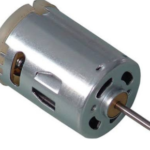
    A dc motor is one of the most commonly used devices in physics and electronics projects because it converts electrical energy into mechanical rotation. It works on the principle of electromagnetism, where current flowing through a coil generates a magnetic field that interacts with permanent magnets to produce motion. Students often use DC motors in fan models, robotic cars, and energy conversion demonstrations. These motors are simple to operate using batteries and switches, making them ideal for beginners. By adjusting voltage, students can also study speed control and torque variation. This helps learners understand how electrical input affects mechanical output in real-time applications, making DC motors an essential part of STEM education and hands-on laboratory experiments.

    Physics Project Applications Using Motors

    A well-designed physics project helps students connect theoretical concepts with real-world applications. Motors are often used in such projects to demonstrate laws of motion, energy conversion, and mechanical work. For example, a simple lifting machine or rotating wheel system can help explain force distribution and mechanical advantage. Students can also integrate sensors and circuits to make interactive models that respond to environmental changes. These projects encourage creativity and analytical thinking while strengthening understanding of fundamental physics principles. By experimenting with different motor speeds and loads, learners can observe how energy efficiency changes in practical systems. Physics-based projects are widely used in science exhibitions because they clearly demonstrate scientific laws in action and improve problem-solving skills.

    Science Science Project Ideas and Learning

    The term science science project often refers to repeated experimental learning activities that focus on exploring multiple scientific concepts in a single model. These projects usually combine physics, chemistry, and electronics to create interactive demonstrations. Students may build automated systems, energy converters, or motion-based models that show how different principles work together. Such projects are highly effective for developing critical thinking and research skills. They also encourage teamwork and innovation in classroom environments. Teachers often guide students to select simple yet impactful ideas that can be demonstrated easily during exhibitions. These projects not only improve academic performance but also build confidence in presenting scientific explanations in front of an audience.

    Servo Motor and Precision Control Systems

    A servo motor is a specialized motor used for precise control of angular position, speed, and torque. Unlike regular motors, servo systems use feedback mechanisms to achieve accurate movement control. They are widely used in robotics, automation systems, camera positioning devices, and robotic arms. In educational projects, servo motors help students understand control systems and programming logic, especially when combined with microcontrollers like Arduino. By sending pulse-width signals, users can control exact movement angles, making it ideal for mechanical design experiments. Servo motors are important in advanced physics and engineering projects because they demonstrate how feedback systems improve accuracy and efficiency in modern technology applications.

    Conclusion

    Learning through hands-on experiments makes science more engaging and easier to understand. Components like motors and control systems allow students to explore complex physics concepts in a simple and practical way. From basic rotational motion using DC motors to precise control with servo systems, each device plays an important role in educational projects. These tools help bridge the gap between theoretical knowledge and real-world applications. By working on such experiments, students develop creativity, technical skills, and problem-solving abilities. Overall, practical science learning builds a strong foundation for future studies in engineering, robotics, and technology-driven fields.

  • Why Upgrading to HSRP Number Plates for Old Vehicles Matters Today

    Why Upgrading to HSRP Number Plates for Old Vehicles Matters Today

    In recent years, vehicle regulations in India have taken a sharp turn toward safety, standardization, and digital tracking. One of the most noticeable changes is the mandatory adoption of High Security Registration Plates (HSRP). If you still own an older vehicle with a traditional number plate, this shift isn’t something you can ignore anymore—it’s quickly becoming essential.

    What is an HSRP Number Plate?

    HSRP stands for High Security Registration Plate. These are standardized aluminum plates that come with several security features such as a chromium-based hologram, laser-etched unique identification number, and a non-removable snap lock. Unlike traditional plates, they are tamper-proof and directly linked to the vehicle’s registration details in a centralized database.

    For older vehicles—those registered before April 2019—getting an hsrp number plate for old vehicle is now mandatory in many states. Authorities are enforcing this rule to reduce vehicle-related crimes, improve identification accuracy, and streamline traffic monitoring systems.

    Why Old Vehicles Need HSRP Now

    If your car or bike still carries a painted or sticker-based number plate, you’re technically out of compliance in several regions. Governments across India have started imposing fines and penalties for vehicles without HSRP.

    There are a few reasons behind this push:

    • Enhanced Security: The tamper-proof design prevents misuse or duplication.
    • Centralized Data: Each plate is linked to a national database, making it easier for law enforcement to track vehicles.
    • Uniformity: It eliminates variations in font, size, and styling of number plates.

    So, upgrading isn’t just about avoiding fines—it’s about staying aligned with a more secure and organized system.

    How to Order HSRP Number Plate Online

    The process has been simplified significantly over the years. Today, you don’t need to stand in long queues or visit RTO offices repeatedly. You can complete most of the process from your home using hsrp number plate order online services.

    Here’s how it typically works:

    1. Visit the Official Portal: Each state has authorized websites for HSRP booking.
    2. Enter Vehicle Details: You’ll need your registration number, chassis number, and engine number.
    3. Choose Fitment Location: Select a nearby dealership or authorized center.
    4. Make Payment: Fees vary slightly depending on vehicle type.
    5. Book Appointment: Pick a convenient date and time for installation.

    Once done, you’ll receive confirmation via SMS or email, and your plate will be installed securely at the selected center.

    Cost and Time Involved

    The cost of HSRP plates is relatively affordable. For two-wheelers, it generally ranges between ₹300–₹500, while for four-wheelers, it can go up to ₹1,000 or slightly more depending on additional stickers or color-coded fuel tags.

    The installation process itself is quick—usually completed within 10–15 minutes. However, availability of appointment slots may vary, especially in high-demand areas.

    Important Things to Keep in Mind

    While the process is straightforward, there are a few things you should be careful about:

    • Use Only Authorized Platforms: Avoid third-party agents or unofficial websites.
    • Double-Check Details: Any error in vehicle information can delay the process.
    • Carry Original Documents: You may need them during installation.
    • Avoid DIY Installation: HSRP must be fitted using a special lock system by trained personnel.

    Ignoring these steps might lead to unnecessary complications or rejection.

    What Happens if You Delay?

    This is where many vehicle owners get casual—and it often backfires. Traffic authorities have started strict enforcement drives. Fines can range from ₹5,000 to ₹10,000 depending on your state and vehicle type.

    Besides penalties, non-compliance may also create issues during insurance claims or vehicle resale. Buyers today prefer vehicles that are fully compliant with current regulations.

    Final Thoughts

    Upgrading to an HSRP number plate might feel like just another administrative task, but it’s actually part of a bigger shift toward smarter and safer transportation systems. For owners of older vehicles, this isn’t optional anymore—it’s a necessary upgrade that protects you legally and adds a layer of security to your vehicle.

    If you haven’t already made the switch, now’s the time. The process is easy, affordable, and completely worth the effort.