Category: Travel

  • Exploring Kolkata Comfortably: A Practical Guide to Car Rentals and Tempo Travellers

    Exploring Kolkata Comfortably: A Practical Guide to Car Rentals and Tempo Travellers

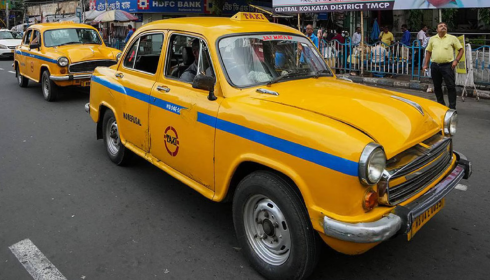
    Kolkata has a rhythm of its own. The tram bells, the scent of street food, the blend of colonial charm and modern chaos—it’s a city best experienced at your own pace. But navigating it? That’s a different story. Between traffic, narrow lanes, and endless places to explore, having the right transport can quietly transform your entire trip.

    That’s where choosing the right vehicle becomes more than just convenience—it becomes part of the experience itself.


    Why Renting a Car Makes Sense in Kolkata

    Let’s be honest. Public transport in Kolkata is rich in character but not always ideal when you’re short on time or traveling with family. Hiring a Car rental Kolkata  service offers flexibility that buses and taxis simply can’t match.

    Imagine heading out early to visit Victoria Memorial without worrying about bus timings. Or taking a spontaneous detour to Howrah Bridge at sunset. With a rental car, you’re not tied to schedules—you’re free to explore the city on your terms.

    It’s also a smart option for business travelers. Meetings across different parts of the city become easier when you’re not dependent on availability or surge pricing. A pre-booked car ensures reliability, something that becomes surprisingly valuable in a bustling metro like Kolkata.


    When You Need More Space: Tempo Traveller Options

    Now, if you’re traveling in a group—maybe a family vacation, a wedding function, or even a team outing—a standard car might not cut it. This is where Tempo Traveller Kolkata services step in.

    These vehicles are designed for comfort and space. With multiple seating options, ample legroom, and often air-conditioning, they’re perfect for longer journeys or full-day city tours. You don’t have to split into multiple cars or coordinate between drivers—everyone stays together, making the journey more enjoyable.

    And honestly, half the fun of traveling in a group comes from those shared conversations, laughter, and roadside stops. A tempo traveller keeps that spirit intact.


    Choosing the Right Vehicle for Your Needs

    Not every trip needs the same kind of transport. That’s something people often overlook.

    If you’re a couple exploring the city for a weekend, a compact sedan might be perfect—easy to drive, economical, and ideal for navigating tight streets. But if you’re planning a day trip to nearby destinations like Digha or Shantiniketan with friends, going for a larger vehicle makes far more sense.

    That’s where opting for a Tempo Traveller in Kolkata becomes a practical decision. It provides the space, comfort, and convenience required for longer journeys, without compromising on group experience.

    Also, consider your luggage. Kolkata trips often involve shopping—handloom sarees, sweets, handicrafts—so having extra space doesn’t hurt.


    What to Look for Before Booking

    Not all rental services are created equal. A little attention before booking can save you from unnecessary hassle later.

    Start with vehicle condition. A well-maintained car or traveller isn’t just about comfort—it’s about safety. Check if the service includes experienced drivers, especially if you’re unfamiliar with Kolkata’s traffic patterns.

    Pricing transparency is another key factor. Hidden charges can turn a budget-friendly deal into an expensive one. Look for clear packages that mention fuel, driver allowance, and extra hours.

    Customer reviews, though often ignored, can offer real insight. They reflect actual experiences—punctuality, behavior of drivers, and overall reliability.


    Making the Most of Your Kolkata Journey

    Once your transport is sorted, the city opens up in a different way. You can plan your itinerary without stress—start your day with a walk through Park Street, head to Dakshineswar Temple, enjoy lunch by the Hooghly River, and still have time for evening shopping.

    Traveling becomes smoother, more personal. You’re not rushing, not waiting—just experiencing.

    And maybe that’s the real charm of it. Kolkata isn’t a city you “cover” in a checklist. It’s a place you feel, slowly. Having the right vehicle simply lets you do that without distractions.


    Final Thoughts

    Whether you choose a car for convenience or a tempo traveller for group comfort, the right travel choice can shape your entire Kolkata experience. It’s not just about getting from point A to B—it’s about how you get there.

    So plan a little, choose wisely, and let the city unfold at your pace.

  • Sundarban Tour Package: Discover the Untamed Beauty of the Mangroves

    Sundarban Tour Package: Discover the Untamed Beauty of the Mangroves

    If you are looking for a unique travel experience that blends adventure, wildlife, and natural beauty, a sundarban tour package is the perfect choice. The Sundarbans, located in the delta region of West Bengal, is the world’s largest mangrove forest and a UNESCO World Heritage Site. It is not only home to the majestic Royal Bengal Tiger but also a haven for numerous rare species of flora and fauna. A trip to this enchanting destination offers travelers an unforgettable journey into the heart of nature.

    Why Choose a Sundarban Tour Package?

    The Sundarbans are unlike any other travel destination in India. With its vast network of rivers, creeks, and islands, it provides a surreal experience for nature enthusiasts. Opting for a well-planned package ensures that you can explore the region without any hassle. From transport and accommodation to guided tours, everything is arranged to give you a smooth and enriching trip.

    Tour operators often design packages that include boat safaris, village walks, bird-watching excursions, and cultural experiences. These packages are crafted to suit various budgets, making them accessible to both luxury travelers and backpackers.

    Wildlife and Adventure Await You

    The highlight of the Sundarbans is undoubtedly the chance to catch a glimpse of the elusive Royal Bengal Tiger. However, the wildlife experience doesn’t end there. The forest is also home to saltwater crocodiles, spotted deer, wild boars, fishing cats, and countless bird species. The boat safaris through narrow creeks and open rivers offer a thrilling adventure as you witness these animals in their natural habitat.

    For bird lovers, the Sundarbans are a paradise. From kingfishers and herons to migratory birds like the whimbrel, the area attracts birdwatchers from around the world. Each safari is a new opportunity to connect with the raw side of nature.

    A Blend of Nature and Culture

    Apart from its wildlife, the Sundarbans offer a rich cultural experience. The local communities living around the forest have preserved their traditions for centuries. When you choose a package tour, you often get a chance to explore rural villages, taste local delicacies, and enjoy folk performances that showcase the vibrant culture of the region.

    Additionally, visiting the watchtowers like Sajnekhali, Sudhanyakhali, and Dobanki gives tourists panoramic views of the forest, offering a perfect mix of adventure and relaxation. These spots are carefully included in most tour itineraries for a complete experience.

    Best Time to Visit Sundarbans

    The ideal time to plan your trip is between November and March. During this period, the weather is pleasant, and the chances of spotting wildlife are higher. Summers can be hot and humid, while monsoons bring heavy rains, making boat rides challenging. By booking your trip during the winter months, you can enjoy the forest at its best.

    Choosing the Right Package

    With numerous travel agencies offering different packages, selecting the right one can feel overwhelming. Before booking, check what’s included—meals, accommodation, permits, and safaris. Some packages are short two-day trips, while others extend to four or five days for a more immersive experience. Whether you are a solo traveler, a couple, or a family, there are options designed to fit your needs.

    For a more eco-friendly experience, some tour operators focus on sustainable travel. This ensures that your visit not only gives you memorable moments but also contributes to the conservation of the Sundarbans and supports local communities.

    Conclusion

    A trip to the Sundarbans is more than just a holiday—it is a journey into the wild. From the thrill of spotting a tiger to the serenity of cruising along mangrove-lined rivers, every moment is filled with wonder. Booking a Sundarban tour package guarantees a hassle-free adventure where all you need to do is relax and soak in the breathtaking beauty of this natural treasure. If you are seeking a destination that combines adventure, culture, and tranquility, the Sundarbans should definitely be on your travel list.

  • A Journey Through the Mangrove Maze: Reflections on the Sundarbans

    A Journey Through the Mangrove Maze: Reflections on the Sundarbans

    Some places aren’t just destinations; they’re experiences that seep into your bones and stay long after you’ve left. The Sundarbans — that sprawling mangrove forest stretching across India and Bangladesh — is one of them. It isn’t about five-star luxury, flashy tourist spots, or carefully curated backdrops. It’s about mud and tide, about stillness and waiting, about glimpses of life that make you realize how fragile, and how powerful, nature really is.

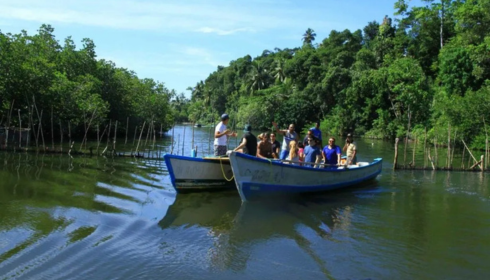
    I remember the first time I set foot on one of those creaky boats. The sun was already blazing, the water glinting in sharp flashes, and the air carried a thick scent of salt and earth. The channels all looked the same, twisting like veins across the delta, and yet each turn felt like a story waiting to unfold. That’s the charm of a Sundarban trip: it doesn’t offer neat beginnings or endings, just the feeling of being folded into a vast, untamed world.


    The Forest That Breathes

    The Sundarbans isn’t like other forests where paths are carved for you. Here, the tides dictate everything. The mangroves rise from the mud in strange, contorted shapes, their roots clutching the earth like gnarled fingers. It feels alive — not in some poetic sense, but literally alive, breathing with the ebb and flow of the sea.

    Everywhere you look, there’s a hint of movement. A kingfisher flashing its neon wings. A mudskipper wriggling between water and land. Crabs waving their oversized claws like tiny flag bearers. And just when you think it’s all quiet, the water stirs — maybe it’s just a fish, or maybe it’s something much bigger lurking underneath.


    The Famous and the Hidden

    Of course, the Royal Bengal Tiger is what most people come chasing. There’s a thrill in knowing that, somewhere behind that thick wall of mangroves, one might be watching you. But truth be told, few visitors ever see it. And that’s okay. Because the Sundarbans isn’t about guarantees; it’s about possibility.

    One moment it’s silence, the next it’s broken by the splash of a crocodile sliding into the river. Sometimes a pod of dolphins will surface alongside your boat, playful and sudden, as if reminding you that magic here doesn’t arrive on schedule. The forest doesn’t perform — it reveals, if you’re patient enough.


    Lives on the Edge

    Beyond the wildlife, what struck me most were the villages scattered at the margins of this wilderness. Life here is tough, unforgiving even. Homes are perched on stilts to survive floods. People farm on salty soil, mend fishing nets, and prepare for storms that seem to arrive every season.

    Yet there’s resilience in their rhythm. Kids laugh and chase each other barefoot along muddy paths. Women dry fish in the sun while men set out at dawn in slender boats. These communities don’t just live near the Sundarbans; they live with it, negotiating daily with tides, storms, and predators. Meeting them reminded me that travel isn’t only about landscapes — it’s about people who give those landscapes context.


    Evenings on the Water

    There’s something oddly comforting about nights in the Sundarbans. The boat anchors, meals are simple but hearty, and the world shrinks into shadows and stars. The silence isn’t empty; it’s full. Crickets sing, water laps gently against the hull, and the mangroves stand like sentinels in the dark.

    It’s the kind of quiet you rarely get in everyday life. The kind that doesn’t just surround you but seeps into you, slowing your thoughts, making you notice the little things — the reflection of the moon on rippling water, the breeze brushing your skin, the occasional splash of unseen movement.


    Forget the Checklist

    If you approach the Sundarbans with a checklist, you’ll leave disappointed. No, you can’t schedule a tiger sighting at 3:15 p.m. And no, the dolphins won’t leap on command. This isn’t a safari park, and that’s precisely what makes it unforgettable.

    Here, the joy is in the waiting. The forest teaches you to let go of control, to sit still, and to appreciate what reveals itself in its own time. Sometimes the waiting itself becomes the experience — a lesson in patience that feels oddly refreshing in our over-scheduled lives.


    Finding the Right Path

    Not all journeys into the Sundarbans are the same. Quick day trips from Kolkata are common, but they barely skim the surface. If you can, stretch your stay into two or three days. That’s when the place really begins to sink into you. You start to notice the subtle shifts of the tides, the way mornings feel different from afternoons, how the forest seems to hold its breath at dusk.

    This is where choosing wisely matters. A good Sundarban travels experience isn’t about glossy promises; it’s about guides who respect the forest, boats that feel safe but not overdone, and itineraries that give you time to breathe instead of rushing you from one spot to another. Sustainable operators who work with local communities often offer the richest, most genuine insights.


    When to Go and What to Bring

    If you want the Sundarbans at its most welcoming, winter — November through March — is your window. The weather is kinder, the skies clearer. Summers are heavy with humidity, and the monsoons bring unpredictability, flooding, and sometimes danger.

    Pack light but smart. Cotton clothes, sunscreen, a hat, insect repellent — the essentials. Binoculars are worth carrying, especially if you’re drawn to birds. And bring patience. Really, it’s the most useful thing you’ll pack.


    More Than a Trip

    What lingers after leaving isn’t a single sight or moment. It’s the sum of it all — the mud, the silence, the resilience of the people, the flashes of wildlife, the rhythm of tides that couldn’t care less about human schedules.

    The Sundarbans teach you humility. They remind you that there are still places where nature writes the rules and we are merely visitors. And that realization — that gentle knocking down of our self-importance — is perhaps the greatest gift the forest offers.


    Closing Thoughts

    Travel doesn’t always have to dazzle you with spectacle. Sometimes, it just has to remind you how small you are in the grand, messy, beautiful scheme of things. The Sundarbans do exactly that.

    You may come back without tiger photos. Your shoes might still be caked in mud. But you’ll carry home something subtler, more enduring: perspective. A sense that, for a few fleeting days, you belonged to a world that still refuses to bend to human control.

    And honestly, isn’t that the point of traveling in the first place?

  • Bali Tour Cost and Exploring Spiti Valley in Winter: A Detailed Travel Guide

    Bali Tour Cost and Exploring Spiti Valley in Winter: A Detailed Travel Guide

    Planning a trip is one of life’s most thrilling experiences, especially when your destinations are as fascinating as Bali and Spiti Valley in winter. Whether you’re dreaming of the tropical beaches of Indonesia or the snow-blanketed valleys of Himachal Pradesh, it’s essential to understand travel expenses, weather conditions, and overall experiences to make the most of your journey. This article explores both destinations, giving you insights into the Bali tour cost and what to expect while traveling to Spiti Valley in winter.


    Bali Tour Cost: Budget Breakdown for Every Traveller

    Bali is a paradise for beach lovers, cultural explorers, and adventure seekers. But how much does it actually cost to travel to Bali?

    1. Flights

    Flight costs to Bali can vary significantly depending on your departure location and travel season. From India, round-trip airfare generally ranges between ₹25,000 to ₹40,000 if booked in advance. Booking during off-peak seasons can save you a substantial amount.

    2. Accommodation

    Bali caters to all kinds of travelers, from backpackers to luxury vacationers. Budget accommodations like hostels or guesthouses can cost as low as ₹800 to ₹1,500 per night. Mid-range hotels range between ₹2,000 to ₹5,000 per night, while luxury resorts may go up to ₹10,000 or more.

    3. Food and Dining

    Bali offers everything from street food to high-end restaurants. You can enjoy delicious Indonesian meals at local warungs for as little as ₹200 per meal. Dining at a mid-range restaurant might cost around ₹1,000 to ₹1,500 for two people.

    4. Transportation

    Scooter rentals are the most affordable and popular way to get around Bali, costing about ₹300 to ₹500 per day. Taxis and ride-sharing apps like Gojek and Grab are also widely available and budget-friendly.

    5. Activities and Sightseeing

    Entry fees to temples and tourist sites range from ₹100 to ₹500. Popular activities like water sports, trekking, or spa treatments could cost anywhere between ₹1,000 to ₹4,000 depending on the provider.

    Total Estimate for a 5-Day Trip

    For a mid-range traveler, a 5-day Bali trip may cost approximately ₹60,000 to ₹80,000, including flights, stay, food, and local transportation.


    Spiti Valley in Winter: A Snowy Himalayan Adventure

    If tropical beaches are not your style, then Spiti Valley’s serene snow-covered landscapes might be just the right winter escape. Known for its rugged terrain, ancient monasteries, and offbeat charm, Spiti transforms into a magical white wonderland during the winter months (December to February).

    1. How to Reach

    Getting to Spiti in winter is an adventure in itself. The Manali route is closed due to heavy snowfall, so the only accessible way is via Shimla-Kinnaur. From Shimla, it takes about 2 days by road to reach Kaza, the heart of Spiti.

    2. Accommodation

    Most hotels in Spiti shut down in winter, but homestays and a few guesthouses remain open. They offer warm hospitality and traditional meals, costing between ₹800 to ₹1,500 per night.

    3. Food

    Food is simple but nutritious. Expect hot rice, lentils, vegetables, and Tibetan dishes like thukpa and momos. Average meal costs are around ₹150–₹250.

    4. Travel Tips

    • Layered Clothing: Temperatures can drop to -20°C or lower, so pack thermal wear, heavy jackets, gloves, and waterproof boots.

    • Stay Hydrated: The high altitude can cause dehydration, so drink plenty of water.

    • Power and Connectivity: Expect frequent power cuts and limited mobile network coverage.

    5. Attractions in Winter

    • Visit the Key Monastery surrounded by snow.

    • Explore the frozen Spiti River.

    • Experience the tranquility of the villages like Tabo and Dhankar.

    Challenges

    Traveling to Spiti in winter is not for the faint-hearted. Harsh weather, roadblocks, and limited facilities make it suitable only for seasoned travelers or those seeking adventure.


    Conclusion

    Both Bali and Spiti Valley offer unique experiences on opposite ends of the travel spectrum. While Bali is ideal for a laid-back, sun-soaked holiday with affordable luxury, Spiti Valley in winter invites the brave-hearted to witness untouched Himalayan beauty. Depending on your budget, interests, and tolerance for cold weather, either destination promises memories that will last a lifetime. So whether you’re planning to explore tropical beaches or icy mountains, prepare well and enjoy the journey!

  • Booking a Jet for Luxury Shopping Trips in Europe

    Booking a Jet for Luxury Shopping Trips in Europe

    When it comes to luxury shopping, Europe is a premier destination, boasting some of the world’s most exclusive boutiques, designer stores, and high-end shopping districts. For those looking to elevate their shopping experience, booking a private jet through Aeroaffaires can transform a simple shopping trip into an extraordinary adventure. Here’s how to plan the perfect luxury shopping trip in Europe, complete with tips on booking a jet.

    Choosing Your Destination

    Europe is home to several cities renowned for luxury shopping. Here are a few top destinations:

    – Paris, France: Known as the fashion capital of the world, Paris offers iconic shopping streets like the Champs-Élysées and the luxury boutiques of Le Marais. Don’t miss the famous Galeries Lafayette for a mix of high-end and contemporary brands.

    – Milan, Italy: The heart of Italian fashion, Milan features the prestigious Quadrilatero della Moda, where you can find flagship stores of brands like Gucci, Prada, and Versace.

    – London, England: From Harrods to Bond Street, London is a shopper’s paradise. The city is also home to unique boutiques in areas like Notting Hill and Covent Garden.

    – Barcelona, Spain: With its blend of high fashion and local designers, Barcelona offers a unique shopping experience. Visit Passeig de Gràcia for luxury brands and El Born for boutique shops.

    Planning Your Itinerary

    Once you’ve chosen your destination, it’s time to plan your itinerary. Consider the following:

    – Duration of Stay: Depending on your shopping goals, a weekend may suffice, but a longer stay allows for a more leisurely experience.

    – Shopping Priorities: Make a list of must-visit stores and any specific items you’re looking for. This will help you maximize your time.

    – Dining and Leisure: Don’t forget to include time for dining at upscale restaurants and enjoying local attractions. A well-rounded trip enhances the overall experience.

    Booking Your Private Jet with Aeroaffaires

    Booking a private jet with Aeroaffaires is straightforward and offers numerous advantages:

    – Flexibility: With a private jet, you can choose your departure time and avoid the hassle of commercial flights. This flexibility allows you to maximize your shopping time.

    – Comfort and Luxury: Enjoy a luxurious travel experience with spacious seating, gourmet catering, and personalized service. Arriving at your destination relaxed and refreshed sets the tone for your shopping trip.

    – Access to Multiple Airports: Aeroaffaires provides access to a wide range of airports, including smaller ones closer to your shopping destinations, reducing travel time.

    Preparing for Your Flight

    Before your flight, consider the following:

    – Packing: Bring along an extra suitcase for your shopping finds. Many private jets offer ample storage space, but it’s wise to plan ahead.

    – Travel Documents: Ensure you have all necessary travel documents, including passports and any required visas.

    – In-Flight Amenities: Discuss any specific in-flight requests with Aeroaffaires, such as catering preferences or entertainment options.

    Arriving at Your Destination

    Upon arrival, you’ll want to hit the ground running. Here are some tips:

    – Transportation: Arrange for a luxury car service to take you to your hotel or directly to your shopping destinations. This adds an extra layer of convenience and comfort.

    – Personal Shopper: Consider hiring a personal shopper who can guide you to the best stores and help you find exactly what you’re looking for.

    – Exclusive Access: Some boutiques offer private shopping experiences. Reach out in advance to see if you can arrange a private appointment for a more personalized experience.

    Making the Most of Your Shopping Experience

    To ensure a successful shopping trip, keep these tips in mind:

    – Stay Hydrated and Energized: Shopping can be exhausting, so take breaks to enjoy refreshments and recharge.

    – Be Open to Discoveries: While it’s great to have a list, some of the best finds come from exploring new shops and neighborhoods.

    – Network with Local Designers: If you’re interested in unique pieces, consider visiting local designers or artisan shops for one-of-a-kind items.

    Returning Home

    After a successful shopping spree, it’s time to head back. Aeroaffaires makes the return journey seamless:

    – Schedule Your Return Flight: Coordinate with Aeroaffaires to ensure your return flight aligns with your shopping schedule.

    – Reflect on Your Purchases: Take time to appreciate your new acquisitions and plan how you’ll incorporate them into your wardrobe.

    Booking a private jet for luxury shopping trips in Europe is an experience like no other. With Aeroaffaires, you can enjoy the ultimate in comfort and convenience, allowing you to focus on what truly matters: indulging in the finest shopping Europe has to offer. Whether you’re in Paris, Milan, London, or Barcelona, a private jet elevates your trip, making it not just a shopping excursion, but a luxurious getaway. Start planning your next adventure today and discover the unparalleled benefits of traveling with Aeroaffaires.

  • How to Master the Annapurna Circuit: A Trekker’s Manual

    How to Master the Annapurna Circuit: A Trekker’s Manual

    The Annapurna Circuit is one of the world’s most iconic treks, and the ultimate once-in-a-lifetime experience of passing through Nepal’s incredibly diverse range of landscapes, cultures, and some of the world’s highest peaks. Between 160 and 230 km (100-140 miles) long, depending on which route and side trips you choose, this classic hike calls for careful preparation, intelligent planning, and a realistic perspective on its special challenges and glories. This all-encompassing trekker’s guidebook tells you all you need to know to safely trek one or both trails and get the most out of your experience for a truly fulfilling and rewarding adventure.

    The first Annapurna Circuit key is being physically prepared. The trail consists of long day hikes, climbing at high altitudes, and diverse terrains. I recommend beginning a general fitness program two to three months before you depart, emphasizing cardio, leg strength, a nd endurance. It’s a good idea to practice hikes where you wear a backpack to simulate actual trail conditions. Elevation changes on the circuit are steep. Prepare your muscles for this, Japanese style, gradual up and over with sometimes long descending trails.

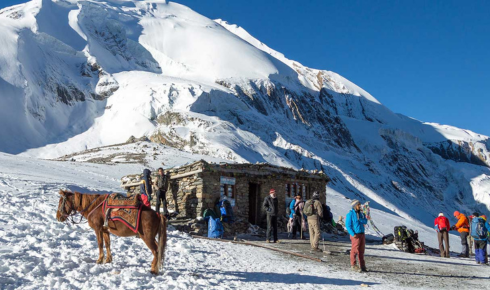
    Acclimatisation is just as important. The trek’s maximum elevation is the pass at Thorong La (5,416 meters), where altitude sickness begins to threaten hikers. Plan for acclimatization days in your itinerary, particularly in places like Manang. Hydrate, don’t drink alcohol , and recognise the symptoms of AMS. The same applies here, so don’t forget to schedule a rest day at high elevations for your body to acclimatize and avoid a dangerous situation.

    What and how you pack can influence your time on the trail. It’s necessary because of how the temperature fluctuates from warm valleys to snow-covered mountain passes, but I often feel that I’m wearing layered clothing out of simply not doing laundry in time. Some good broken-in trekking boots, a warm down jacket, gloves, a warm(enough) sleeping bag, and good rain gear are all must-haves. A water bottle with a purification system that you can use again and again will keep you safe from waterborne illness while decreasing plastic waste. A headlamp, trekking poles, and blister care should also be in your kit.

    Independently or with a porter and guideWhile many trekkers choose to trek independently or decide to hire a guide or porter, these are rather comforting when traveling in remote or difficult areas. Guides offer intimate local knowledge and assist in navigating cultural intricacies, while porters allow you to travel light and concentrate on the journey. Local hires help the economy and provide a more enriching experience, with a closer cultural exchange.

    The route is easy to follow on marked trails and past frequent teahouses, but it’s important to have a flexible itinerary. The weather can change quickly, especially in the neighborhood of the pass, and delivery delays are frequent. Bringing along a map or an offline GPS guide, such as Maps. It is useful. Rise early in the mornings to beat afternoon winds and to take advantage of maximum daylight.

    Finally, respect the local people and culture, and the environment. The Annapurna Circuit cuts through Buddhist villages, temples, and conservation areas. Dress demurely, respect local tradition, and take your trash with you to uphold the natural beauty of the region.

    By getting your body ready and packing smartly, and planning for your trek with cultural respect and safety in mind, you’ll be well on your way to becoming an Annapurna Circuit expert. This trek is about so much more than gazing at stunning vistas — this is a journey that involves personal transformation, resilience, and even connection to some of the world’s most awesome natural landscapes.

    The Annapurna Circuit Explained: Overview and Highlights

    The Annapurna Circuit Trek is one of Nepal’s most rewarding and varied treks, skirting the deeply plunging valleys, lush forests, and high mountain passes that girdle the Annapurna range. Measuring from 160 to 230 kilometers, depending on route changes, the circuit follows the Annapurna Massif in approximately a circle, with the major elements of Manang, Thorong La Pass (5,416m), Muktinath, and Tatopani. The journey itself passes through dramatic contrasts of scenery and culture, from sub-tropical forests where rice is grown and harvested to wind-swept plateaus where nomadic yak herders drive their animals to some of the highest snowy peaks on earth. On your way, you’ll traverse villages with Gurung, Thakali, and Tibetan communities, and you’ll face the many different traditions and languages. The journey can last 14 to 21 days, depending on your pace and how many acclimatization days you build in. Though road development has made the trail somewhat more accessible, taking side roads or less heavily used paths still offers a remote trek. The Annapurna Circuit is not only a physical challenge, but also a cultural and spiritual one. You’ll gain mountain vistas of Annapurna I, II, III, Dhaulagiri, and Machapuchare on every ascent. Getting the geography, weather , and historical and cultural context of the trail is useful in terms of setting realistic expectations. With adequate preparation, you admire all this while discussing such topics as prayer flags billowing in mountain winds, natural hot springs, and fairs and feasts, and experiencing the Tibetan hospitality of local teahouses.

    When Is The Best Time to Hike the Annapurna Circuit?

    The season you choose to trek the Annapurna Circuit Trek Itinerary has an enormous impact on the experience. The best times to hike are from spring (March to May) and autumn (Late September to November) when the weather is consistent, skies are clear, and the temperature is comfortable. In the spring, rhododendrons stretch across hillsides , and trails flash with color. The days are warm, but afternoons can be overcast with a few showers. The fall is considered the best season for trekking, though. The skies are the clearest, and the mountain views are best, while the trails are still optimally dry. For the most part, the skies are clear and the days are cool and crisp, which makes for great long hiking days.

    Winter (December – February) can be done for experienced trekkers, but snow blockage of the Thorong La pass is likely, and too cold to sleep at night. Heavy rain and slippery trails, not to mention leeches in the lowlands, are common in monsoon season (June to early September). Landslides can hinder travel, and the clouds frequently hide the peaks.

    Which season to go for should depend on how much inclement weather you are comfortable with, and which specific landscape you are attracted to. Whether it’s spring flowers you want or crystal-clear mountain vistas in fall, picking just the right moment for your trek can mean a world of difference in terms of comfort and memories of the Annapurna Circuit.

    Physical and Mental Training for the Trek

    The Annapurna Circuit is challenging and demanding – you must be physically and mentally fit. Trekkers will walk 6-8 hours on average for a week to three weeks, normally at altitude, perhaps over 3000m, and/or with arduous terrain. Start training well in advance (2-3 months before) of the trip for cardiovascular fitness (running, swimming, biking), strength (especially legs and core), and endurance. Try hiking on uneven surfaces with a pack to simulate actual conditions.

    Altitude is another obstacle. Slowly, slowly is the key to avoiding Acute Mountain Sickness (AMS), especially when you’re crossing Thorong La Pass. Know the symptoms — headache, nausea, dizziness — and acclimate with altitude exposure if you can. Mental fortitude is just as important. The journey can be quite solitary, exhausting, and physically demanding. Bad weather, few comforts , and the effects of altitude can wear on morale. Develop mental strength by aiming for the achievable, meditating, and imagining success.

    Having yourself prepped, mentally and physically, gets you a big leg up. You will not only decrease your risk of injury or illness, but you will also be present to enjoy the scenery, people, and cultural richness that come with the territory. The Annapurna Circuit is something you learn to master long before you even get there — preparation is a journey in itself.

    Annapurna Circuit Permits and Regulations

    For a legal and safe trek of the Annapurna Circuit Trekking, you must have two permits: the Annapurna Conservation Area Permit (ACAP) and the Trekkers’ Information Management System (TIMS) card. These permits work towards environmental conservation, local development, and also provide safety for the trekkers.

    The ACAP permit is approximately NPR 3,000 (USD $22) for all non-Nepalese. The TIMS card is around NPR 2,000 ($ 15 USD). If you book via a registered company, they would usually organise these permits for you. You can also retrieve them yourself from the Nepal Tourism Board offices in Kathmandu or Pokhara. Don’t forget to bring at least a few passport-sized photos and a photocopy of your passport with you.

    Permits are verified at several trail checks. Hiking without them can mean fines or being barred from passage at checkpoints. These permits also serve as a record of where you have been, something that can be critical in an emergency.

    By learning and cooperating with the permit system, you not only trek with ease, but also join in the effort to help sustain Kilimanjaro. Money is used to maintain trails, protect biodiversity, and bolster local infrastructure. And make sure that you keep all your permits safe and handy during travel.

    What to pack for your Trek – Checklist

    The truth is: the gear you have can make or break your Annapurna Circuit trek. You’ll be exposed to a spectrum of temperatures, from hot valleys to icy mountain passes — so layered clothing is a must. We start with moisture-wicking base layers, add insulating mid-layers like fleece, puffy, or down jackets, and then top it with clothing constructed with waterproof/breathable fabrics.

    While it’s all about the gear (Call the experts at Baron Brothers – Ski Rentals in Vail, trust me, it’s worth it), your footwear is equally important.85258 Best for: waterproof, worn-in hiking boots with good ankle support. Other necessities are a sleeping bag rated to -10°C (14 °F), trekking poles and a pair of UV sunglasses, a hat, gloves, and a quality backpack that comes with a rain cover. Daypack for snacks, water, and a camera, if you use a porter.

    And don’t neglect gear for hygiene and health: water purification tablets or filters, a first aid kit, sunscreen, and lip balm. Portable chargers, your headlamp, and reusable utensils also come in handy.”

    Light packing, but there’s no skipping of essentials. When trekking independently, a full pack weight of 10–12 kg (22–26 lbs) is perfect. For the budget traveler, renting gear in Kathmandu or Pokhara is an option. With the right equipment, you can make this adventure as comfortable and safe as possible.

    Guide and Porter Hiring: Pros, Costs, and Tips

    Although you can do the Annapurna Circuit on your own, using a guide or porter can greatly improve your adventure. To employ a Guide is no more than $25-35 USD per day, and for a porter, between $15-25 USD a day. These fees generally cover their food and board.

    Annapurna Round Trek Guides are essential for navigation, cultural interpretation, and safety, particularly if you have no experience with high-altitude trekking. They can make changes to the itinerary, watch for the signs of altitude sickness, and even reserve rooms in packed teahouses. They lighten your load. These sherpas will help carry your main pack (25–30 lbs) so that you can trek lighter, and they will let you take in the landscape.

    They are insured and treated fairly if they are hired through a registered agency. Alternatively, there is the option to employ freelance staff, which can be less expensive, though not without risk if they are unregistered. It is appropriate to tip 10–15% of total wages as a reasonable expression of thanks.

    Outside of the logistics, hiring local guides and porters contributes to the local economy and brings a strong personal dimension to your hike. You’re bound to make friends and listen to tales that enhance your adventure. Although not compulsory, hiring help can make a good trek and make it great, particularly across long treks with tough trails, such as the Annapurna Circuit.

    Acclimating and Preventing Altitude Illnesses

    Acclimatization is important when hiking the Annapurna Circuit, particularly as you approach Thorong La Pass (5,416m), which is the highest point on the trail. Ascending too rapidly can also lead to Acute Mountain Sickness (AMS), which affects fit and experienced individuals at high altitude.

    To acclimatize properly, they say, practice the mountaineer maxim: “Climb high, sleep low,” and ascend only 300-500 meters higher each day after you’ve reached 3,000 meters. Manang (3,540 m) is the best place to take a day of rest. Avid hikers or those who want to move as much as possible can go on short hikes to higher elevations to help kickstart acclimatization. Many trekkers also take an extra night and stay in Yak Kharka before crossing the pass.

    Make sure you’re drinking enough water, that you’re not consuming too much alcohol or gorging yourself on too heavy foods. Hypobaric AMS is characterized by symptoms including headache, nausea, dizziness, fatigue, and breathlessness. The only medication is descending on worsening symptoms. If you bring Diamox (acetazolamide), it can help prevent or alleviate the symptoms, but use it as directed.

    Scheduling rest days into your itinerary is crucial. And one more thing, being focused on not rushing out of this wonderful country reduces the chance of risks and increases your trekking experience! Acclimating isn’t only a health decision — it’s a means of honoring the mountains and your body’s limits.

    Following the Trail and Route Options

    The Annapurna Trek has been made more accessible by signposted paths, local signboards, and offline maps such as Maps. me, Gaia, and GPS. But certain parts of the original trail have been changed or bypassed in recent years because of road construction. It is now crucial to select routes that will offer you the most natural beauty with the least exposure to the road.

    These days, many trekkers choose other trails, including the Upper Pisang trail, Tilicho Lake, or off-road circuits above Manang and Jomsom. These trails have superior views and are more remote.

    You’ll also come across suspension bridges, stone staircases, and some steep up-and-down climbs, so trekking poles might be useful. If you begin early each morning, you can beat the afternoon winds and make the most of scenic spots.

    It’s easier with a guide, but independent trekkers get by with maps, GPS, and advice from locals. You can also find information from teahouses and other hikers.

    Knowing your route options — when to stay on the road, when to diverge from it — makes it your own. Whether for sights, solitude, or cultural waypoints, clever route planning increases both safety and enjoyment.

    Eating, Drinking, and Keeping Clean on the Trail

    You will need all of the food and hydration available to stay energized as you trek across the Annapurna Circuit. Most meals will come from teahouses, which offer a remarkable variety of food, from the traditional dal bhat (rice, lentils, curry) to pasta, pancakes, soups, and fried rice. Try dal bhat for the nutrition and the all-you-can-eat refills.

    Prices for a meal start at about $3–4 USD in lower areas, but can run up to $7–10 USD or more as you get to higher elevations because of transport costs. Budget for $20–30 per day for food and drinks.

    There is water along the entire trail, but it’s not safe to drink without treating it. Use water purification tablets, filters, or UV sterilizers. Bottled water is for sale, but it can get quite costly up in the mountains, and that’s not to mention the plastic waste. Drink plenty of water – between 3 and 4 litres during the day is a good amount at altitude.

    Tilicho Lake Trek Regarding health, carry a personal first aid box which includes hand sanitizer, medicines for stomach upset, altitude sickness, cold/flu, etc. Eat freshly prepared food and say no to raw food.

    Adequate nutrition and hydration are essential for physical performance, acclimatization, and recovery. Care of your diet and hydration makes your trek safer and more comfortable, and you’ll enjoy your trek better.

    Completing the Trek and After Trek Recovery

    Conventionally, the Annapurna Circuit concludes at Jomsom or Tatopani, and most trekkers move on to Pokhara to rest and rejuvenate. You can fly or drive in a bumpy jeep from Jomsom to return to Pokhara, while from Tatopani it’s usually a mix of trekking and vehicle travel.

    It is important to recover after the trek. Your body will be achy and possibly also dehydrated and fatigued. Hydrate, sleep, eat your proteins, and rest for 48 hours. Pokhara is a fab place to relax, with hot showers, massages, and good food. Some trekkers also stop by the natural hot springs in Tatopani to unwind before returning to city life.

    It’s also a time to reflect. Journaling about your experience, going through your photos, or even launching a blog will help you process the journey. Tipping your guide/ porter (if specifically guided through an agency) and reviewing teahouses/ agencies are other great ways to show respect to the trekking community.

    Conquering the Annapurna Circuit is not just crossing Thorong La—it’s also about listening to your body, relaxing, and celebrating success. You have just finished one of the great treks of the world — leave some room in your head to enjoy that.

    How to prepare for the Annapurna Circuit trek?

    Preparing for the Annapurna Circuit trek involves physical conditioning, proper gear selection, and logistical planning. The trek spans 160–230 km and can last 12–20 days, reaching elevations up to 5,416 meters at Thorong La Pass. Start training at least 2–3 months before the trek, focusing on cardiovascular fitness, leg strength, endurance, and hiking with a backpack.

    Other key steps:

    • Gear up: Get layered clothing, waterproof boots, a quality backpack, a sleeping bag, and trekking poles.

    • Permits: You’ll need an ACAP permit and a TIMS card.

    • Acclimatize properly: Plan rest days at higher altitudes like Manang.

    • Stay informed: Use offline maps and understand symptoms of altitude sickness.

    • Vaccinations/Insurance: Make sure you’re vaccinated and have travel insurance that covers high-altitude trekking and emergency evacuation.

    A well-prepared trekker will enjoy better stamina, fewer health risks, and a more rewarding experience overall.

    How much training is required for the Annapurna Circuit?

    The Annapurna Circuit Nepal is challenging, so training is essential, especially if you’re not used to hiking for multiple days. Aim for 8–12 weeks of consistent training before your departure.

    Focus areas include:

    • Hiking/Walking: Go on long hikes (5–10 km) at least 2–3 times a week with a loaded backpack.

    • Cardio: Run, bike, or swim to improve lung capacity and stamina.

    • Strength Training: Target your legs (quads, calves), back, and core to support long ascents and descents.

    • Stair climbing or hill workouts: Simulate elevation gain.

    • Endurance: Increase your workout duration weekly to build stamina for trekking 6–8 hours a day.

    Also, train your mental endurance—you’ll be walking in rough terrain, in cold weather, at high altitudes. Simulate discomfort (cold, fatigue) to toughen up psychologically as well.

    Do I need a guide for the Annapurna Circuit?

    As of 2023, hiring a guide is mandatory for solo foreign trekkers in many parts of Nepal, including the Annapurna region, to ensure safety. While this wasn’t always the case, the new regulation aims to reduce risks like getting lost or suffering health issues without support.

    Hiring a guide offers major benefits:

    • Navigation and safety

    • Cultural insights

    • Help with altitude issues or emergencies

    • Permit handling and teahouse reservations

    If you’re trekking in a group through a registered company, a guide will be included. For independent trekkers, hiring a licensed guide through an agency or in Pokhara/Kathmandu is both legally compliant and smart.

    How much does a guide cost for the Annapurna Circuit?

    Hiring a licensed guide for the Annapurna Circuit typically costs $25–USD 35 per day. This includes:

    • Their daily wage

    • Meals and accommodation

    • Assistance with logistics and emergencies

    If you also hire a porter, expect to pay $15–$25 per day. Porters carry up to 20–25 kg of your gear, easing your physical burden.

    Additional costs may include:

    • Tipping (10–15% of total wages is customary)

    • Transportation for your guide to/from the trailhead

    Hiring a guide through a reputable agency ensures they are insured, experienced, and trained in first aid and altitude awareness.
  • How to Plan a Trip to Xian

    How to Plan a Trip to Xian

    Xian is a thousand-year-old city with rich history and culture that attracts countless tourists. With its picturesque scenery, deep culture and specialties, it is an addictive travel destination.

    Itinerary

    Xian day tour is a popular travel option. You can visit 3 or 4 famous Xian attractions and taste authentic Xian food. If you are planning a China history tour, you can choose Beijing Xian tour. Start your visit from Beijing and explore Xi’an afterward to experience the charm of Chinese culture.

    If you want to experience a trip that combines traditional and modern attractions, you can plan a Beijing Xian Shanghai tour. Explore historical sites in Beijing and Xi’an and experience modern city life in Shanghai.

    Top Historical Attractions

    The Terracotta Army, located near the Mausoleum of Qin Shi Huang in the Lintong District of Xi’an , is one of the most important burial pits in the Mausoleum of Qin Shi Huang. A large number of real-scale terracotta warriors and horses are displayed here, presenting a magnificent view of the court and army during the Qin Dynasty.

    The Big Wild Goose Pagoda is a Buddhist structure whose unique seven-tiered structure and exquisite relief carvings have made it one of the landmarks of Xi’an. The Bell Tower, on the other hand, is a symbol of the ancient city center and is one of the oldest surviving bell towers in China.

    Cultural Experience

    The culture of Xi’an is also a part of the city that travelers can’t miss. In Xi’an, you can visit the Shaanxi History Museum to learn about the beauty of the history of this land. There are also talented folk art performances such as ancient music performance, dance and opera.

    Stroll along the Muslim Quarter and enjoy traditional snacks such as mutton buns and Liangpi. In addition, Xi’an has numerous specialty handicrafts, such as paper-cutting, ceramics and silk. At night, you can visit the the Grand Tang Mall to experience the lively nightlife.

    Explore Mountain Hua

    Mount Hua is one of China’s famous five mountains, known for its steepness. The East Route, also known as the traditional hiking route, allows you to fully appreciate the majesty and steepness of Mount Hua. As you make your way up the old stone steps, you will see many thrilling sections.

    The Western Route is known for its fantastic scenery, with mythological sites along the way. The landscapes come to life and make you marvel at the wonders of nature.

    Leisure Activities

    In addition to visiting tourist attractions, tourists can also experience some local leisure activities. Such as going for a bike ride on the walls of the ancient city. Observe the wool products in the Fabric Museum. Or enjoying the performances at the Qiankun Palace Square. Many interesting small stores and bazaars can be found in downtown Xi’an and around various attractions.

  • Kathmandu, Chitwan, and Pokhara Tour – A Comprehensive Exploration of Nepal’s Highlights

    Kathmandu, Chitwan, and Pokhara Tour – A Comprehensive Exploration of Nepal’s Highlights

    Embark on a journey of discovery with the Kathmandu, Chitwan, and Pokhara Tour, a captivating adventure that showcases the best of Nepal’s diverse landscapes, cultural heritage, and wildlife. This comprehensive tour package offers a perfect blend of historical exploration, natural beauty, and unique wildlife experiences, making it an ideal choice for travelers seeking to experience Nepal’s rich cultural and natural offerings.

    Overview of the Tour

    The Kathmandu, Chitwan, and Pokhara Tour is a well-rounded itinerary that typically spans around 10 to 12 days. This tour takes travelers through three of Nepal’s most prominent destinations: Kathmandu, the cultural and political heart of the country; Chitwan, a renowned wildlife sanctuary; and Pokhara, a picturesque city nestled by the serene Phewa Lake. Each destination offers its own unique attractions and experiences, ensuring a diverse and enriching journey.

    Highlights of the Kathmandu, Chitwan, and Pokhara Tour

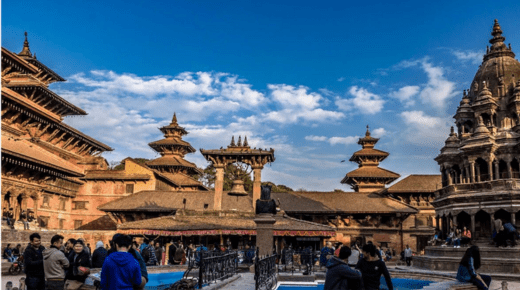
    • Kathmandu Heritage Tour: The tour begins in Kathmandu, where travelers can immerse themselves in the city’s rich cultural and historical heritage. Key highlights include visits to UNESCO World Heritage Sites such as Swayambhunath (the Monkey Temple), Boudhanath Stupa, Pashupatinath Temple, and the ancient Durbar Squares of Kathmandu, Bhaktapur, and Patan. Each site offers a glimpse into Nepal’s vibrant traditions, architecture, and religious practices.
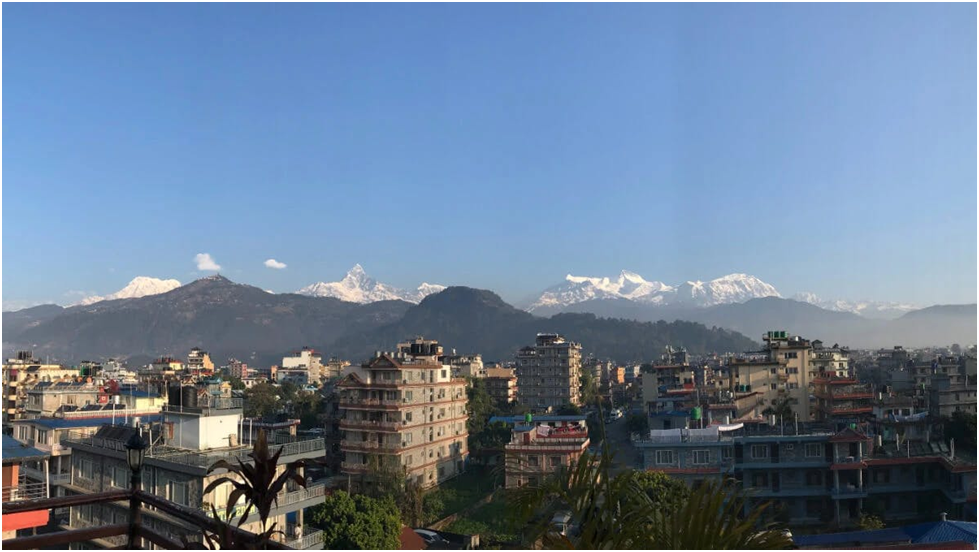
    • Scenic Beauty of Pokhara: Following Kathmandu, the tour moves to Pokhara, renowned for its stunning natural beauty and outdoor activities. The city is famous for its breathtaking views of the Annapurna and Dhaulagiri mountain ranges, picturesque Phewa Lake, and serene surroundings. Visitors can enjoy boat rides on the lake, explore the nearby World Peace Pagoda, and partake in adventurous activities like paragliding and trekking.
    • Wildlife Adventure in Chitwan: The next stop is Chitwan National Park, a UNESCO World Heritage Site known for its rich biodiversity. The park offers an exciting array of wildlife experiences, including jungle safaris, elephant rides, and birdwatching. Highlights include spotting endangered species like the Bengal tiger, one-horned rhinoceros, and various bird species. The Tharu cultural program provides additional insights into the local indigenous culture and traditions.
    • Kathmandu Pokhara Tour Package: This package seamlessly combines the cultural exploration of Kathmandu with the natural beauty of Pokhara and the wildlife adventure of Chitwan. The well-rounded itinerary ensures that travelers experience a diverse range of Nepal’s attractions, from historical sites and scenic landscapes to wildlife encounters.

    Best Time to Visit

    The best time to embark on the Kathmandu, Chitwan, and Pokhara Tour is during the pre-monsoon spring (March to May) and post-monsoon autumn (September to November). These seasons offer pleasant weather, clear skies, and optimal conditions for sightseeing and outdoor activities. Summer and winter months may have extreme temperatures or unpredictable weather, impacting travel plans.

    Preparation and Tips

    To make the most of your tour, ensure you have appropriate clothing for varying weather conditions and comfortable footwear for sightseeing and outdoor activities. Booking the tour in advance is recommended, especially during peak travel seasons. Be prepared for a range of experiences, from cultural exploration and scenic relaxation to wildlife adventures.

    Conclusion

    The Kathmandu, Chitwan, and Pokhara Tour offers a diverse and enriching experience, capturing the essence of Nepal’s cultural heritage, natural beauty, and wildlife. Whether you’re exploring ancient temples in Kathmandu, enjoying scenic views in Pokhara, or embarking on a thrilling safari in Chitwan, this tour provides a comprehensive and unforgettable journey through some of Nepal’s most captivating destinations.

  • Cultural Heritage Preservation in Sustainable Tourism

    Cultural Heritage Preservation in Sustainable Tourism

    When I think about traveling, I often wonder how to strike a balance between exploring new places and preserving their unique cultural heritage. Sustainable tourism offers a promising solution, ensuring that we can enjoy these destinations without compromising their historical and cultural integrity. It’s not just about visiting landmarks; it’s about respecting and maintaining the traditions, languages, and practices that make each location special.

    In this article, I’ll delve into why cultural heritage preservation is crucial in sustainable tourism. We’ll explore how mindful travel practices can help protect these treasures for future generations while enriching our own travel experiences. 

    Whether you’re a seasoned traveler or planning your next adventure, understanding the importance of cultural preservation can make your journeys more meaningful and impactful. For more insights into sustainable tourism and the importance of preserving cultural heritage, visit cultural preservation in tourism to learn how you can travel responsibly and support local communities.

    Understanding Cultural Heritage Preservation

    Cultural heritage preservation involves protecting invaluable cultural assets, ensuring their survival for future generations. These assets can be tangible like historical monuments, artifacts, and buildings, or intangible such as traditions, languages, and rituals.

    Importance Of Cultural Heritage

    Protecting cultural heritage maintains community identity and continuity. For example, safeguarding the Taj Mahal preserves the history of India, while maintaining oral storytelling traditions keeps indigenous languages alive. These efforts not only honor the past but also contribute to a community’s ongoing cultural narrative.

    Methods Of Preservation

    1. Documentation: Recording traditional crafts, stories, and practices.
    2. Conservation: Physically preserving historical sites and artifacts.
    3. Education: Raising awareness through educational programs and tourism initiatives.
    4. Legislation: Governments and organizations enacting laws to protect cultural sites.

    Challenges

    1. Urban Development: Modern construction often threatens historical sites.
    2. Tourism: While beneficial economically, unchecked tourism can damage cultural assets.
    3. Climate Change: Environmental changes pose risks to physical artifacts.

    Role Of Sustainable Tourism

    Sustainable tourism supports cultural preservation through responsible travel. Travelers can contribute by respecting local customs, supporting native businesses, and participating in heritage tours. This mindful approach ensures cultural treasures remain intact, benefiting both the host communities and visitors.

    The Role of Sustainable Tourism

    Sustainable tourism supports cultural heritage preservation, enhancing understanding and respect for cultures and their histories. By integrating sustainability principles, tourism can positively impact host communities and visitors alike.

    Promoting Awareness

    There is a significant need to promote awareness of cultural heritage through sustainable tourism. Visitors gain a deeper appreciation of local traditions, customs, and historical sites. Travelers engaging in authentic cultural experiences can foster respect and understanding. Programs such as guided heritage tours and educational workshops showcase the importance of cultural assets, encouraging responsible behavior. Information dissemination through brochures, apps, and websites highlights cultural nuances, ensuring visitors are well-informed.

    Balancing Economic Benefits and Conservation

    Sustainable tourism must balance economic benefits with conservation efforts to achieve long-term success. While tourism generates revenue for local communities, it must not compromise the integrity of cultural sites and traditions. Investment in infrastructure supporting sustainable practices, like eco-friendly accommodations, enhances visitor experiences without damaging cultural heritage. Strategies such as limiting visitor numbers at sensitive sites, employing local guides, and reinvesting tourism revenue into preservation projects ensure that economic gain aligns with conservation goals.

    Challenges in Cultural Heritage Preservation

    Preserving cultural heritage within the realm of sustainable tourism presents numerous challenges. These challenges can significantly affect both the immediate and long-term goals of cultural conservation.

    Environmental Impact

    Tourism-related activities can damage heritage sites. High foot traffic at ancient monuments (e.g., Machu Picchu) accelerates wear and tear. Littering and pollution degrade the environment. Environmental factors like climate change also pose threats. Rising sea levels threaten coastal heritage sites (e.g., Venice). Mitigating these impacts involves strict regulations and sustainable practices.

    Socio-Economic Factors

    Economic inequality influences cultural preservation. Financial constraints limit local communities’ ability to maintain heritage sites. Uneven tourism revenue distribution can exacerbate this issue. For example, large tour operators may profit more while local artisans receive less. The influx of tourists can also alter local culture, leading to commercialization. Sustainable tourism models focus on equitable benefit-sharing to address these challenges. Community involvement ensures that heritage preservation aligns with local values.

    Best Practices for Combining Preservation and Tourism

    Combining cultural heritage preservation with tourism requires careful planning and execution. Several best practices ensure this integration is both respectful and effective.

    Community Involvement

    Engaging local communities stands as a crucial step. By involving locals in preservation efforts, shared ownership and collective responsibility develop. One effective strategy includes establishing committees with community representatives to oversee cultural projects. Additionally, training programs for community members empower them to manage and benefit from tourism activities. Festivals and workshops that highlight indigenous traditions generate interest and promote cultural education among tourists and locals alike.

    Use of Technology

    Technology offers innovative ways to preserve and market cultural heritage. Digital archives help document and store historical records, safeguarding them against physical degradation. Virtual reality (VR) tours allow tourists to explore sites remotely, reducing physical wear and tear. Augmented reality (AR) provides on-site visitors with informative overlays, enhancing their understanding without damaging the artifacts. Websites and mobile apps designed to promote cultural heritage tourism can reach a global audience, providing valuable information and booking capabilities.

    Case Studies of Successful Initiatives

    Several regions have implemented effective strategies for cultural heritage preservation in sustainable tourism.

    Asia

    Asian countries demonstrate substantial progress in heritage preservation. In Japan, the Gokayama and Shirakawa-go villages embrace sustainable tourism while preserving traditional gassho-zukuri farmhouses. These UNESCO World Heritage sites practice community-led tourism, limiting the number of visitors to reduce environmental impact.

    In Bhutan, the government prioritizes high-value, low-impact tourism to protect its cultural heritage. The policy caps tourist numbers and encourages contributions to local conservation funds, ensuring benefits directly support cultural preservation efforts.

    Europe

    European nations also showcase successful heritage preservation projects. In Spain, the Alhambra Palace in Granada maintains strict visitor control, with capped daily entry to prevent overcrowding. The revenue generated funds ongoing restoration and conservation projects.

    In the UK, the Edinburgh World Heritage site blends heritage preservation with modern tourism. The program involves local businesses, governments, and residents in maintaining the city’s historical architecture and cultural landmarks, fostering a shared responsibility for conservation.

    Future Trends in Sustainable Tourism

    Technological Integration
    Technologies like AI and IoT are transforming sustainable tourism. Smart systems manage visitor flow, reducing crowding at heritage sites. AI-driven apps give personalized recommendations, enhancing visitor experience while minimizing negative impacts.

    Community-Led Initiatives
    Local communities are taking more control. Programs involve residents in decision-making, ensuring tourism aligns with local values. Profit-sharing models distribute revenue more equitably, benefiting the entire community.

    Green Certifications
    Obtaining eco-friendly certifications helps destinations gain a competitive edge. Certifications like Green Globe and EarthCheck indicate a commitment to sustainability and attract environmentally conscious tourists.

    Sustainable Mobility
    Eco-friendly transport options are on the rise. Electric buses, bike-sharing schemes, and pedestrian-friendly zones reduce carbon footprints. Destinations encourage these alternatives to lessen environmental impact.

    Virtual Tourism
    Virtual tours offer a sustainable way to explore heritage sites. Advanced VR experiences allow users to visit places without physical travel, reducing wear and tear on sites and lowering tourism’s carbon footprint.

    Adaptive Reuse
    Historic buildings are being repurposed for modern use. Converting old structures into hotels, museums, or cultural centers preserves heritage while offering functional spaces for tourists and locals alike.

    Data-Driven Decision Making
    Big Data assists in managing tourism sustainably. Analytics inform decisions on visitor limits, resource allocation, and impact assessments, ensuring long-term preservation of cultural sites.

    Focus on Holistic Experience
    Tourism strategies are evolving to offer more than just sightseeing. Activities focus on cultural immersion, local cuisine, and educational experiences, providing deeper connections with the destination’s heritage.

    By integrating these trends, sustainable tourism can better preserve cultural heritage while adapting to future challenges.

  • Exploring the Beauty of Sundarban Homestays

    Exploring the Beauty of Sundarban Homestays

    When it comes to experiencing the true essence of nature and wildlife, few places can rival the mystique of the Sundarbans. Nestled in the delta region of the Bay of Bengal, the Sundarbans is not just a UNESCO World Heritage Site but also one of the most biodiverse and enchanting destinations on the planet. While the mangrove forests and the Royal Bengal Tigers often steal the spotlight, there’s more to the Sundarbans than meets the eye. In this article, we will delve into the world of sundarban homestay, offering you a unique perspective on how to explore this natural wonder.

    What Are Sundarban Homestays?

    A Slice of Local Life

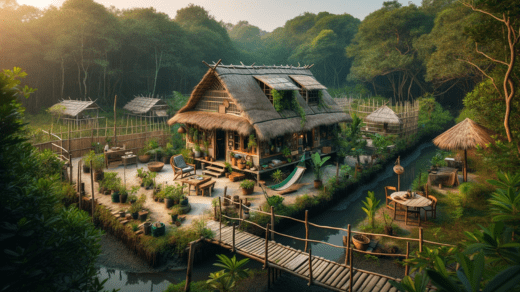
    Sundarban homestays are accommodations that provide an authentic experience of living amidst the pristine beauty of the Sundarbans. These are not your typical hotels or resorts; instead, they are often family-run establishments that offer a glimpse into the daily life of the locals.

    Immersed in Nature

    These homestays are strategically located in the heart of the Sundarbans, allowing guests to immerse themselves in nature. Imagine waking up to the chirping of birds, witnessing the vibrant sunsets over the rivers, and falling asleep to the symphony of the jungle.

    Why Choose a Sundarban Homestay?

    Unique Wildlife Encounters

    One of the primary reasons to opt for a Sundarban homestay is the unparalleled wildlife encounters it offers. Unlike traditional lodgings, these accommodations are situated in close proximity to the forest, increasing your chances of spotting the elusive Royal Bengal Tigers, saltwater crocodiles, and a plethora of exotic bird species.

    Local Cuisine and Culture

    Another enticing aspect of staying in a Sundarban homestay is the opportunity to savor local cuisine and immerse yourself in the rich culture of the region. You can relish delicious seafood dishes, engage in traditional folk dances, and interact with the hospitable locals.

    How to Choose the Right Sundarban Homestay?

    Research and Reviews

    Before booking your stay, it’s crucial to conduct thorough research and read reviews from previous guests. Look for homestays that have received positive feedback for their hospitality, cleanliness, and proximity to the wilderness.

    Amenities and Activities

    Consider your preferences and interests when selecting a homestay. Some offer adventurous activities like boat safaris and jungle treks, while others focus on providing a tranquil retreat. Choose the one that aligns with your expectations.

    What to Expect During Your Stay?

    Wildlife Safaris

    Prepare for thrilling wildlife safaris led by experienced guides who are well-versed in the Sundarbans’ secrets. These safaris will take you deep into the mangrove forests, offering glimpses of the region’s rare and majestic inhabitants.

    Nature Photography

    If you’re a photography enthusiast, you’re in for a treat. The Sundarbans provide a stunning backdrop for capturing the beauty of nature and its inhabitants. From the intricate root systems of mangroves to the graceful dance of deer, there’s no shortage of subjects to photograph.

    Sundarban homestays offer a unique and immersive experience for nature enthusiasts and adventure seekers alike. By choosing to stay in these accommodations, you not only contribute to the local economy but also forge lasting memories of your encounter with the enchanting Sundarbans.