Water has always been something we quietly depend on. You turn on the tap, fill a glass, maybe brew your morning coffee — and rarely stop to wonder about what’s actually flowing through those pipes. But the truth is, water quality can change quickly. Weather patterns shift, infrastructure ages, and contaminants can appear where you least expect them. That’s why a growing number of communities and homeowners are turning toward smarter ways to monitor their water.
Technology, interestingly enough, is now playing a bigger role in something as basic as drinking water. Not in a flashy sci-fi way, but in practical, quietly helpful ways. Sensors, connected devices, and intelligent software are making it easier than ever to stay informed about what’s happening inside a water system — sometimes before a human even notices a problem.
Let’s talk about how this shift is happening and why it matters.
Why Monitoring Water Quality Has Become More Important Than Ever
For decades, water monitoring relied mostly on scheduled testing. A technician would collect samples, send them to a lab, and results would come back days later. It worked, but it wasn’t exactly fast.
Today’s environmental conditions make that delay more risky than it once was. Population growth, industrial runoff, and aging pipelines all contribute to the possibility of contamination. Even small fluctuations in minerals, bacteria, or chemical levels can affect safety.
And honestly, most people don’t want to wait days to learn if something is wrong with their water.
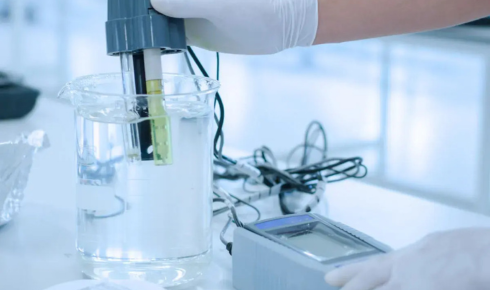
This is where modern monitoring systems come into play. Instead of occasional tests, sensors can now collect data continuously. These devices measure things like pH levels, turbidity, temperature, and conductivity — all indicators that help determine whether water is safe and stable.
The result? Problems can be spotted much earlier, sometimes instantly.
The Rise of the Smart Water System
A few years ago, the idea of a connected water system sounded a bit futuristic. Now it’s quietly becoming the new standard in many homes, buildings, and municipal infrastructures.
At the center of this transformation is the smart water system. These systems combine sensors, cloud software, and real-time monitoring tools to give users a clearer picture of how their water behaves.
Think of it as a health tracker for your plumbing.
Sensors installed along pipes or filtration units constantly send data to a digital dashboard. If something unusual happens — a sudden pressure drop, abnormal mineral levels, or irregular flow — the system flags it immediately. Sometimes it even sends a notification straight to a phone.
This type of technology is especially valuable in places where water safety is critical: hospitals, schools, large residential communities, and industrial facilities. But it’s slowly becoming more common in everyday homes as well.
And honestly, once people experience that level of awareness, it’s hard to go back to guessing.
Real-Time Alerts That Actually Make a Difference
Imagine discovering a water contamination issue before it spreads through an entire building. Or learning about a filtration failure before anyone drinks from the tap.
That’s exactly what modern water quality alerts are designed to do.
Instead of relying on periodic reports, automated systems constantly analyze incoming data. If readings move outside safe parameters, alerts are triggered instantly. Sometimes it’s a simple notification; other times the system may automatically shut down a valve or activate additional filtration.
These alerts aren’t just about emergencies either. They can also warn users about gradual changes that might otherwise go unnoticed — rising mineral content, declining filter performance, or unusual water pressure trends.
In other words, they give people time to act.
And when it comes to water safety, a little extra time can make a huge difference.
Understanding System Performance Over Time
One of the most overlooked benefits of modern monitoring is long-term data. Water systems don’t always fail dramatically; more often, they decline slowly.
Filters clog. Pipes corrode. Pumps lose efficiency.
Without data, those issues are easy to miss until something breaks.
This is where system performance tracking becomes incredibly valuable. By recording water metrics over weeks or months, monitoring software can identify patterns that humans might overlook. Maybe a filtration unit needs replacing earlier than expected. Maybe water pressure drops slightly every evening when usage peaks.
These insights help operators make better decisions — not guesses.
Maintenance becomes proactive instead of reactive. Equipment lasts longer. And perhaps most importantly, water quality remains stable for the people who depend on it.
Smart Water Technology Is Also About Conservation
Interestingly, smart water monitoring isn’t just about safety. It’s also helping communities conserve water more effectively.
Leaks, for example, are a major source of water waste. In many cities, millions of gallons are lost each year because small pipeline leaks go unnoticed. With connected sensors, those leaks can be detected much earlier.
Flow sensors can pinpoint unusual usage patterns. Pressure monitoring can reveal hidden cracks in pipes. Even subtle fluctuations in flow rate can hint at a problem somewhere in the network.
Over time, this kind of awareness can save enormous amounts of water — and money.
It’s a quiet kind of efficiency, but a powerful one.
The Human Side of Smarter Water
Despite all the technology involved, the real goal behind smart water monitoring is pretty simple: peace of mind.
People want to trust the water they drink. They want to know that the systems behind the walls and under the streets are working properly. They want fewer surprises.
Technology alone can’t solve every water challenge, of course. Infrastructure upgrades, responsible water management, and public awareness still matter a great deal.
But smart monitoring tools give communities a stronger foundation. They turn invisible systems into something we can actually observe and understand.
And sometimes, just having that visibility changes everything.
Looking Ahead
Water systems around the world are evolving. Sensors are becoming smaller and cheaper. Data analytics is becoming more sophisticated. Artificial intelligence is even beginning to predict potential water issues before they happen.
It’s an exciting shift, honestly.
The humble tap in your kitchen may soon be connected to an entire ecosystem of intelligent monitoring tools, all working quietly in the background. Most people won’t notice the technology — and that’s kind of the point.
What they will notice, though, is something much more important: cleaner water, safer systems, and the confidence that someone — or something — is always keeping an eye on the quality of what we drink.