Category: Home Services

  • House Removals in Aylesbury and Barking: How to Avoid the Common Pitfalls

    House Removals in Aylesbury and Barking: How to Avoid the Common Pitfalls

    Anyone who has moved house more than once knows the day itself rarely goes exactly to plan. Boxes turn out heavier than expected, a wardrobe won’t fit through a doorway, or the van arrives an hour later than promised because of traffic nobody accounted for. The difference between a move that’s merely inconvenient and one that’s genuinely stressful usually comes down to preparation and choosing movers who actually know the area.

    This article takes a practical look at moving within or into Aylesbury and Barking, focusing on the mistakes people commonly make and how a bit of forward planning avoids most of them.

    Why the Same Advice Doesn’t Apply Everywhere

    It’s a mistake to treat every house move as identical. A move between two ground-floor properties with driveways is a fundamentally simpler job than one involving a third-floor flat with a shared staircase, or a period cottage with doorways that were never designed for modern furniture. The town or borough you’re in also shapes the logistics considerably, since local traffic patterns, parking rules, and typical housing stock all factor into how long a job realistically takes.

    This is precisely why generic moving checklists only get you so far. Understanding what’s specific to your own location, and communicating that clearly to whichever company you hire, makes a bigger difference than most people expect.

    The Value of Asking for a Proper Survey

    Whenever possible, request an in-person or video survey rather than accepting a quote based purely on a phone conversation. A surveyor walking through your home, or reviewing it carefully on a video call, will notice things you might forget to mention: a bulky treadmill in the spare room, boxes of books stacked in the loft, or a piano that needs specialist handling. These details change the required vehicle size and team, and skipping this step is one of the most common reasons quotes end up being revised upward on moving day itself.

    Moving Around Aylesbury: What Locals Should Know

    Aylesbury has expanded considerably over recent years, and this growth means the town now contains a genuine mix of housing types. Newer estates on the outskirts tend to have wider roads and off-street parking, which simplifies loading significantly. Streets closer to the town centre, however, particularly around the older residential areas, can be narrower and busier, with parking sometimes limited to permit holders during certain hours.

    If you’re researching Removals Aylesbury UK companies, it’s worth asking directly whether they’re familiar with your specific street or estate, rather than just the town generally. A company that regularly works in Fairford Leys, for instance, will know exactly what access looks like there, whereas a firm based further afield might need extra time to figure out logistics on the day.

    Aylesbury’s position near several major roads also makes it a sensible base for longer-distance moves. If you’re relocating out of the county entirely, ask whether the company has experience with longer hauls, since this sometimes affects pricing structures and available time slots differently than a purely local job.

    Mistakes That Commonly Delay Aylesbury Moves

    A few recurring issues tend to slow things down unnecessarily:

    • Not mentioning permit-only parking restrictions near the property until moving day
    • Underestimating how much a loft or garage adds to the total volume being moved
    • Booking too small a team for a larger property, assuming a slower pace will make up the difference
    • Failing to confirm whether stairs or narrow doorways will require furniture disassembly

    Raising these points clearly when getting quotes means the final price and timeline are far more likely to hold up on the actual day.

    Barking’s Urban Layout Demands Different Planning

    Barking’s proximity to central London means many of its streets were built long before modern removal vans existed, and this shows in how tight parking and access can be in certain areas. Rather than treating this as a minor inconvenience, it’s worth building specific planning around it from the very start of the process.

    Anyone comparing Removals Barking UK providers should ask pointed questions about how the company handles parking on the day. Some streets allow for a temporary suspension bay to be booked through the local council, which guarantees space directly outside the property, while others simply don’t have room for this at all. Knowing which situation applies to your address, ideally weeks before moving day, avoids the scenario where a van ends up parked several streets away and movers spend valuable time simply walking back and forth.

    Flats and converted period properties are common throughout the area, and many involve communal stairwells or lifts. If this applies to your building, speak with the management company directly about any rules regarding moving hours, required notice, or documentation the removals team needs to provide. This is separate from whatever your removals company tells you, and the two sources don’t always agree, so it’s worth double-checking both.

    Traffic Timing Matters More Than People Expect

    Barking sits close to busy routes that see significant congestion during rush hour. A moving slot booked for early morning might work perfectly on a quiet residential street but become considerably slower if the van needs to navigate through peak traffic to reach the new property. Discussing realistic timing with your removals company, rather than just picking a slot that suits your own schedule, often prevents a day that runs hours behind.

    Getting Genuinely Comparable Quotes

    Because different companies structure their pricing in different ways, comparing quotes by total figure alone can be misleading. A useful approach is to request an itemised breakdown from each provider covering identical scope: the same number of rooms, the same additional items like a garage or loft, and the same level of service regarding packing and disassembly.

    Questions worth asking every company:

    1. Does the quote include packing materials, or is this an additional charge?
    2. What happens if the job takes longer than the estimated time, is there a cap on cost?
    3. What insurance covers goods in transit, and is there a limit on compensation per item?
    4. How many movers and what size vehicle are being allocated to the job?

    A company that answers all of this clearly and confidently, ideally in writing, is generally a safer choice than one that seems reluctant to commit to specifics.

    Practical Steps That Make Any Move Easier

    Regardless of location, a handful of simple habits noticeably reduce moving day stress:

    • Pack an essentials box containing chargers, toiletries, medication, and a change of clothes
    • Label every box by destination room rather than by contents, which speeds up unpacking considerably
    • Photograph any complicated cable arrangements before disconnecting electronics
    • Wrap fragile items in towels or bedding instead of relying entirely on bought packing material

    None of these steps take much time, but skipping them is often what turns an otherwise well-organised move into a frustrating one.

    Frequently Asked Questions

    How early should I book a removals company?

    Aim for at least four weeks ahead, and longer if your move falls near month-end or during the busier summer period when demand rises across most areas.

    Do I need to sort out parking myself before moving day?

    It depends on the company. Some handle parking suspension applications with the local council as part of their service, while others expect the customer to arrange this. Confirm this clearly during the quote stage.

    What’s the biggest factor that affects moving costs?

    Volume of belongings and access difficulty tend to matter most. A property with narrow stairs, no direct parking, or awkward large items typically costs more than a straightforward ground-floor move of similar size.

    Should I disassemble furniture myself before movers arrive?

    This depends on what’s included in your quote. Some companies handle disassembly and reassembly as standard, while others charge extra or expect it done in advance, so clarify this early.

    Can I get short-term storage between moving out and moving in?

    Many removal companies offer this as an add-on service, which can be more convenient than arranging separate storage yourself. Ask about pricing for both short stays and longer periods.

    Is a fixed-price quote more reliable than an hourly rate?

    Fixed pricing generally offers more certainty, particularly for properties with tricky access or a lot of belongings. Always clarify which pricing model applies before confirming your booking.

  • Better Water, Better Everyday Living: Why Water Quality Matters at Home

    Better Water, Better Everyday Living: Why Water Quality Matters at Home

    Water is one of those things we rarely stop to appreciate. It comes from the tap, fills the glass, runs through the shower, cleans our dishes, and disappears down the drain. Simple enough. But when water starts leaving spots on the sink, tasting unusual, or making soap harder to rinse, you suddenly realize how much of daily life depends on it.

    Good water quality isn’t just about what you drink. It can affect cleaning, bathing, appliances, plumbing, and the overall comfort of your home. The right treatment approach can make those everyday tasks a little easier, without turning your house into a science project.

    The key is understanding your home’s actual water needs before choosing a treatment system.

    Why Water Quality Matters More Than You Think

    When people hear “water treatment,” they often think only about drinking water. That’s understandable, but household water has a much bigger role.

    Water is used several times a day for cooking, washing vegetables, making coffee, showering, doing laundry, and cleaning. If the water contains high levels of hardness minerals or has an unpleasant taste or odor, those characteristics can show up in many different places.

    For many homeowners, the goal is simply better water. It isn’t about filling the home with unnecessary equipment. It’s about having water that works better for the things you already do every day.

    Start by Understanding Your Water

    Before choosing a treatment system, take a few minutes to notice what’s happening around your home.

    Do your glasses come out of the dishwasher with white marks? Does your showerhead collect mineral deposits? Does soap seem difficult to lather? Has the taste of your drinking water changed?

    These details are useful because different water characteristics can create different problems.

    Hard water, for example, contains higher levels of calcium and magnesium. Those minerals aren’t necessarily visible in the water, but they can leave residue behind as water evaporates.

    Testing can help confirm what’s actually happening instead of relying on assumptions.

    The Everyday Frustration of Hard Water

    Hard water is one of the most common reasons homeowners look into water treatment.

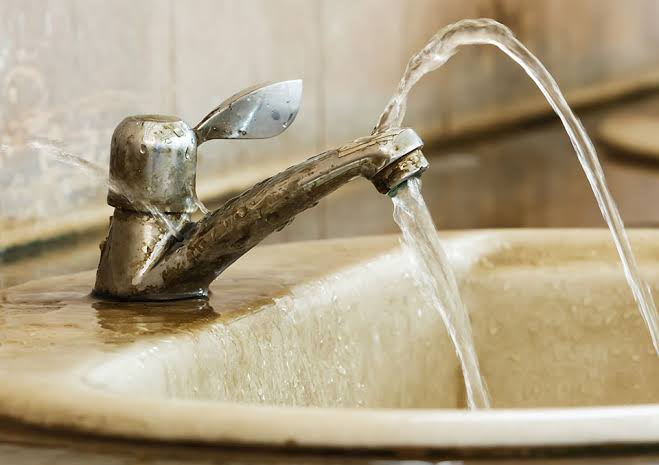
    At first, the signs may seem minor. A little white residue around the faucet doesn’t sound like a big deal. But then you clean it again. And again. Eventually, it becomes one of those household chores you wonder why you’re still doing.

    Hard water can also affect shower doors, appliances, dishes, and laundry. Soap and detergent may not behave the way you’re used to, which can lead to using more product than necessary.

    Over time, these small annoyances can add up.

    How Water Softening and Filtration Fit In

    Water treatment isn’t one-size-fits-all. A system should be selected based on what your water actually needs.

    water softening and filtration are two approaches that can address different aspects of household water quality. Softening is generally focused on hardness minerals, while filtration can be used for concerns such as sediment, taste, odor, or other substances depending on the filter technology.

    Sometimes a household needs one approach. Sometimes a combination makes more sense.

    The important thing is not to assume that every filter or softener performs the same job. Treatment equipment is designed for specific purposes, and choosing the right one starts with knowing the problem.

    What About Drinking Water?

    Drinking water deserves special consideration because it goes directly into the foods and beverages you consume.

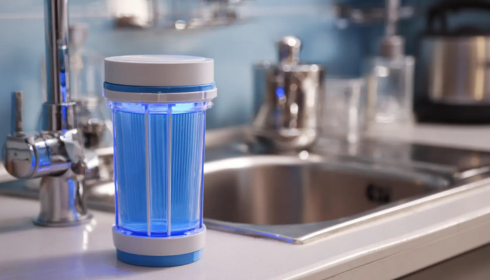
    A point-of-use filtration system can provide treated water at a kitchen faucet, refrigerator connection, or another selected location. Reverse osmosis is another option commonly considered when homeowners want more extensive treatment for drinking water.

    The right choice depends on the source water and what you want to reduce.

    It’s tempting to buy a system because it has a long list of features, but more features don’t automatically mean better results. If a system isn’t designed for the particular issue you’re dealing with, all those extra features may not mean much.

    Your Appliances Notice Water Quality Too

    Your washing machine and dishwasher aren’t the only things using water. Water heaters, coffee makers, ice machines, and other equipment depend on it as well.

    Mineral deposits can accumulate inside water-using appliances, especially when hard water is involved. The buildup may not be visible from the outside, which is part of what makes it easy to overlook.

    Regular maintenance is important, but improving the underlying water conditions can also help reduce some of the challenges associated with mineral-heavy water.

    Think about it this way: if you keep cleaning the same mineral residue from an appliance, it may be worth asking why the residue is there in the first place.

    Cleaner Fixtures Mean Less Scrubbing

    Nobody gets excited about scrubbing faucets.

    Yet hard-water deposits can make bathroom and kitchen cleaning feel like an endless cycle. You clean a fixture until it looks great, and then a few days later the spots return.

    Reducing the conditions that create those deposits can make routine cleaning easier. It won’t eliminate household chores—sadly, no water system can promise that—but it can remove one particularly stubborn source of frustration.

    For busy households, even small improvements like that matter.

    Don’t Forget About Water Taste and Odor

    Some homeowners don’t notice water-quality issues until they take a sip.

    A metallic, earthy, salty, or chlorine-like taste can make tap water less appealing. Odors can have several causes, and the source isn’t always the water itself. Plumbing and drains can sometimes create smells that appear to be water-related.

    If the same taste or odor occurs at multiple faucets, however, it makes sense to investigate further.

    Testing can provide a clearer picture and help determine whether filtration or another treatment method is appropriate.

    Maintenance Is Part of the Deal

    Even a high-quality water-treatment system needs attention.

    Filters have replacement schedules. Softeners may need service or replenishment depending on the system. Other components can wear over time.

    Skipping maintenance is an easy mistake because treatment equipment usually works quietly in the background. There’s no dramatic warning when a filter reaches the end of its useful life.

    A simple calendar reminder can make a big difference.

    Regular maintenance helps the equipment continue doing what it was installed to do.

    Don’t Choose a System Based on Price Alone

    Cost matters, of course. But the cheapest system isn’t always the most economical choice.

    Look beyond the initial purchase price. Consider installation, replacement filters, service requirements, operating costs, and expected lifespan.

    A system that costs a little more upfront but is better matched to your home’s needs may provide more value over time.

    On the other hand, there’s no reason to spend heavily on technology you don’t need.

    Good water treatment should be practical.

    A Better Home Starts With Better Decisions

    Improving household water doesn’t have to mean buying every treatment system available. Start with the basics. Understand your water source, pay attention to the symptoms you’re seeing, and test when appropriate.

    Once you know what you’re dealing with, the choices become much easier.

    Maybe you need help with hard water throughout the house. Maybe your main priority is better-tasting drinking water. Or perhaps you’re simply tired of cleaning mineral deposits from every faucet.

    Whatever the situation, the best solution is the one that fits the actual problem.

    For many households, better life starts with improving the simple things that affect everyday routines. Water is one of them. When your home’s water works well, you barely notice it—and honestly, that’s probably the point.

    Good treatment should quietly improve everyday life, making showers more comfortable, cleaning less frustrating, appliances easier to maintain, and drinking water more enjoyable.

    Sometimes, the biggest difference comes from fixing something you had stopped noticing.

  • Making Sense of Repiping, Water Heaters, and Slab Leak Detection

    Making Sense of Repiping, Water Heaters, and Slab Leak Detection

    Most plumbing problems don’t begin with a dramatic flood. More often, there’s a small clue first — a water bill that seems unusually high, a warm patch on the floor, a shower that suddenly loses pressure, or a pipe that has started making noises it never made before.

    These signs can be easy to dismiss. After all, every house has its quirks. But when plumbing problems start repeating, it’s worth looking beyond the immediate symptom. Sometimes the real issue is aging pipes, an inefficient water heater, or a leak hidden underneath the foundation.

    Understanding your options can help you make a better decision before a minor inconvenience turns into a major repair.

    When Aging Pipes Become a Bigger Problem

    Plumbing pipes aren’t designed to last forever. Their lifespan depends on the material, installation quality, water conditions, age of the property, and general maintenance.

    One small leak doesn’t automatically mean the entire plumbing system needs attention. But several leaks in different areas can tell a different story.

    If you’ve already repaired multiple sections of pipe and another one has started leaking, it may be time to consider re-piping. This involves replacing some or all of the existing plumbing with new piping.

    It sounds like a huge undertaking, and sometimes it is. But in a severely aging system, repeatedly paying for individual repairs may eventually become more expensive and disruptive than addressing the underlying problem.

    How to Know Whether Repiping Is Necessary

    Repiping shouldn’t be recommended simply because a home is old.

    A professional should examine the condition of the existing pipes and look for signs of widespread deterioration. Frequent leaks, corrosion, poor water pressure, discolored water, and recurring plumbing failures may all be reasons to investigate further.

    The type of pipe matters too. Different materials have different weaknesses and expected service lives.

    A good plumbing professional should explain what they found rather than immediately pushing for a major project. Sometimes replacing one damaged section is perfectly reasonable. Other times, the evidence points toward a larger solution.

    Your Water Heater Deserves Attention Too

    The water heater is one of those appliances people tend to forget about until the shower suddenly turns cold.

    Regular maintenance can help keep the unit operating efficiently and may reveal problems before they become emergencies. Sediment buildup, worn components, leaks, temperature issues, and aging equipment can all affect performance.

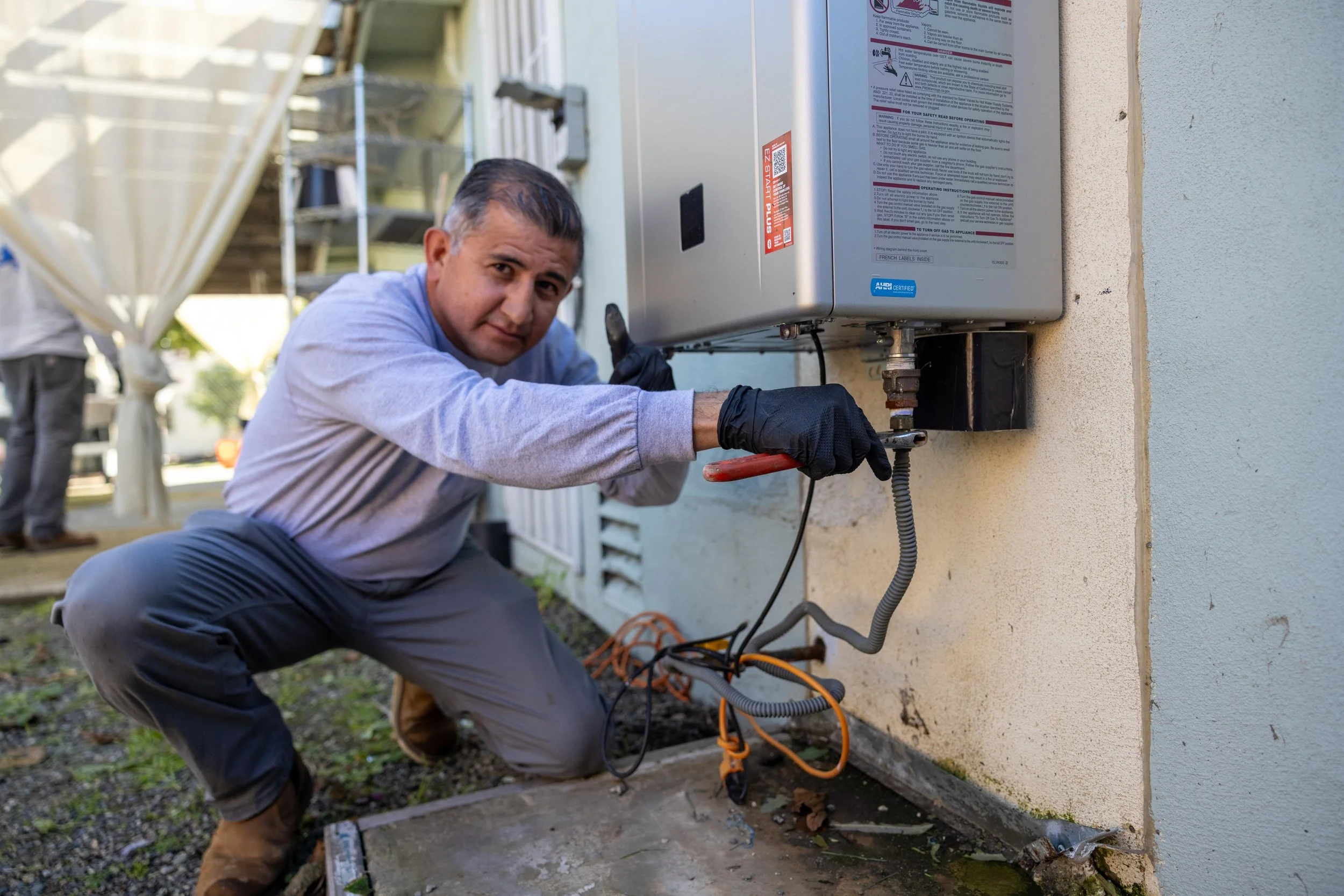
    For homeowners looking to improve efficiency or replace an aging unit, high-efficiency water heater services can provide an opportunity to consider newer equipment and installation options.

    The right choice depends on household size, hot-water demand, available space, fuel type, budget, and the condition of the existing system. Bigger isn’t automatically better, either. A properly sized unit can be more practical than simply choosing the largest model available.

    Don’t Ignore Strange Water Heater Symptoms

    A water heater doesn’t always fail suddenly.

    You may notice that hot water runs out faster than it used to. Perhaps the water isn’t getting as hot, the unit makes unusual noises, or there’s moisture around the tank.

    These signs don’t necessarily mean replacement is required, but they deserve attention.

    A professional can determine whether the problem is related to a component, sediment, thermostat settings, plumbing connections, or the age and overall condition of the equipment.

    Catching a developing problem early can be a lot less stressful than discovering it when you’re already standing in cold water.

    The Challenge of Slab Leaks

    Some plumbing leaks are particularly difficult to locate because the pipes are hidden beneath a concrete foundation.

    A slab leak can allow water to escape below the surface, sometimes traveling before it becomes noticeable inside the home. Homeowners may notice warm spots on the floor, unexplained water usage, damp areas, reduced pressure, or the sound of running water when every fixture is turned off.

    Because the pipe isn’t readily visible, guessing at the location can lead to unnecessary demolition.

    That’s where precision slab leak detection becomes valuable. Professional detection methods can help narrow down the likely location of the leak before repair work begins.

    Why Accurate Detection Matters

    Imagine discovering moisture near a bathroom and assuming the problem is underneath that exact spot. You remove flooring, investigate the area, and find nothing.

    Now you’ve created another repair without solving the original problem.

    Water can travel through soil, concrete, framing, and other materials. The visible symptom isn’t always the source.

    Accurate leak detection helps technicians make decisions based on evidence rather than guesswork. Depending on the situation, professionals may use acoustic equipment, pressure testing, moisture detection, infrared technology, or other diagnostic methods.

    The technique depends on the property and the type of plumbing involved.

    Repair, Reroute, or Replace?

    Once a leak has been located, there may be more than one way to fix it.

    A small, accessible section of damaged pipe might be repaired. If the existing route is difficult to access or repeatedly causes problems, rerouting the line could make more sense.

    In a severely deteriorated system, larger-scale replacement may be appropriate.

    There isn’t one answer that fits every property. The best solution considers the cost, accessibility, age of the plumbing, future reliability, and potential disruption to the home.

    Think About Long-Term Value

    It can be tempting to choose the cheapest repair available. Sometimes that’s absolutely the right move.

    But if you’ve had three leaks in the same area within a year, another inexpensive patch may not be much of a bargain.

    Think about what the repair is likely to accomplish over the next several years. Will it solve the underlying issue? Will another component likely fail soon? Would a different approach reduce future disruption?

    These aren’t questions that require a crystal ball. They simply require looking beyond today’s invoice.

    A Professional Diagnosis Comes First

    Plumbing decisions become much easier when you know what you’re actually dealing with.

    Whether the problem involves aging pipes, a water heater, or a suspected slab leak, start with a proper inspection and diagnosis. Ask questions, understand the available options, and don’t be afraid to ask why a particular repair is being recommended.

    Good plumbing work isn’t always about doing the biggest job. It’s about doing the right job.

    Your home’s plumbing system works quietly every day, and that’s exactly how it should be. When something starts changing, though, pay attention. A small warning today may be the information you need to prevent a much bigger plumbing headache tomorrow.

  • Better Water at Home Begins With the Right Treatment Plan

    Better Water at Home Begins With the Right Treatment Plan

    Water is one of those everyday essentials we rarely stop to think about. It runs from the kitchen faucet, fills the washing machine, flows through the shower, and quietly keeps the household moving. But when the water starts tasting strange, leaving mineral spots behind, or creating problems for appliances, you suddenly realize how much you depend on it.

    The good news is that improving household water doesn’t have to be complicated. The trick is understanding what you’re dealing with first.

    Different homes have different water sources, plumbing systems, and water quality concerns. A house supplied by a municipal utility may have very different needs from a property using a private well. Even two homes next door to each other can experience differences because of plumbing and local conditions.

    That’s why the best approach starts with information, not guesswork.

    Every Home Has Its Own Water Story

    There isn’t one treatment system that works perfectly for every household. Water can contain hardness minerals, sediment, chlorine, iron, manganese, or other substances depending on its source and surroundings.

    Hard water is especially common and can leave white deposits around faucets and showerheads. It can also create scale inside water heaters, dishwashers, and other appliances that regularly use heated water.

    Other homeowners may be more concerned about taste and odor. Private well owners may need to pay attention to bacteria, sulfur odors, iron, or other naturally occurring substances.

    Testing your water can help identify what is actually present. It may sound like an extra step, but it can save you from buying equipment that doesn’t address your particular problem.

    Choosing Residential Water Treatment With Purpose

    When people start shopping for residential water solutions, it’s easy to get overwhelmed by product names and technical specifications.

    The better question isn’t “Which system is the best?” It’s “Which system is best for my water?”

    If hardness is the main issue, a water softener may be appropriate. If sediment is causing cloudy water or clogging fixtures, sediment filtration could help. If chlorine taste and odor are the concern, activated carbon filtration is commonly used for that purpose.

    For specific dissolved contaminants, more advanced treatment may be necessary.

    This approach keeps things practical. You aren’t paying for technology just because it sounds impressive. You’re paying for treatment that solves an identified problem.

    The Convenience of Clean Water Throughout the House

    There is something appealing about knowing that water is treated before it reaches your faucets.

    A whole-house system can provide clean water from every tap, rather than limiting treatment to one kitchen faucet.

    This can be especially useful when the water quality concern affects more than drinking water. If hard water is causing scale throughout the house, filtering only the kitchen tap won’t solve the problem. Likewise, if sediment is affecting multiple fixtures, point-of-use treatment may not be enough.

    Whole-house systems are typically installed where water enters the property. That means the treated water can then travel through the home’s plumbing to showers, bathrooms, laundry areas, and kitchen fixtures.

    Of course, whole-house treatment isn’t automatically necessary. If your only concern is drinking water taste, a smaller point-of-use system may be a more economical choice.

    Why Reverse Osmosis Is Popular for Drinking Water

    Sometimes homeowners want an additional level of treatment specifically for the water they drink and cook with.

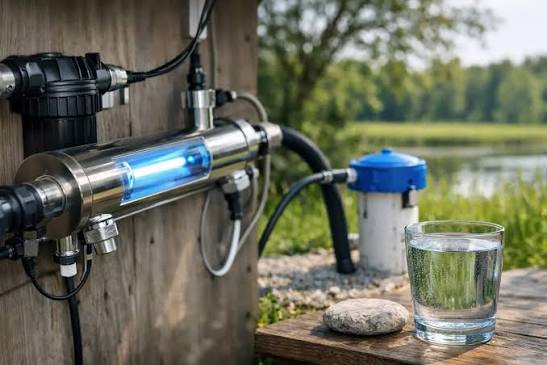
    Reverse osmosis drinking water systems are designed to use a semi-permeable membrane along with other filtration stages to reduce many dissolved substances from water.

    They’re commonly installed under the kitchen sink and connected to a dedicated drinking-water faucet. For households concerned about certain dissolved contaminants or simply looking for highly treated drinking water, RO can be a useful option when properly selected.

    There are trade-offs. RO systems require filter and membrane replacement, and they typically produce some wastewater during the treatment process.

    Still, many homeowners like the improvement in taste and the convenience of having treated drinking water available right at the kitchen sink.

    Don’t Confuse Filtration With Softening

    Water filtration and water softening solve different problems, and this distinction matters.

    A filter may reduce sediment, chlorine, or certain contaminants depending on its design. A water softener is primarily intended to reduce hardness minerals such as calcium and magnesium.

    If your showerhead is covered in scale and your glassware constantly shows white spots, you may have a hardness issue rather than a simple filtration problem.

    On the other hand, if the water tastes strongly of chlorine, installing a softener isn’t likely to solve that particular concern.

    The right treatment depends on the cause. It sounds obvious, but it’s one of the easiest mistakes to make when choosing equipment.

    Maintenance Shouldn’t Be an Afterthought

    Even a high-quality treatment system needs regular attention.

    Filters have to be replaced. Softener systems need servicing and appropriate regeneration. RO membranes eventually wear out. Whole-house equipment should be inspected periodically.

    Keep track of service dates instead of relying on memory. A simple reminder on your phone can prevent a filter from being forgotten for months.

    Also pay attention to changes in water pressure, taste, odor, or appearance. If something suddenly changes, investigate it. The system may need maintenance, or there may be a change in the incoming water itself.

    Think About the Long-Term Value

    Water treatment isn’t just about making water taste better today. It can also be about protecting the things that depend on that water.

    Reducing hardness can help control mineral scale in plumbing and appliances. Appropriate filtration can improve the water used for drinking and cooking. Whole-house treatment can address water quality concerns throughout the property.

    But don’t buy more equipment than you need.

    A well-designed system that fits your water conditions is usually more valuable than an oversized collection of filters and gadgets that are difficult to maintain.

    A Better Water System Starts With a Better Decision

    The best residential water treatment plan begins with a simple process: test the water, identify the problem, choose the appropriate technology, and maintain it properly.

    Some homes need basic filtration. Others benefit from softening or whole-house treatment. For drinking water, reverse osmosis can provide another useful layer of treatment when appropriate.

    There’s no need to make the decision harder than it has to be.

    Understand your water, ask good questions, and choose equipment based on actual needs rather than marketing claims. Done properly, water treatment becomes one of those home improvements you don’t think about very often — because everything simply works the way it should.

  • Why Fixing a Small Faucet Problem Today Can Save Bigger Plumbing Repairs Tomorrow

    Why Fixing a Small Faucet Problem Today Can Save Bigger Plumbing Repairs Tomorrow

    It’s funny how the smallest sounds in a house can become the most distracting. A faucet that drips every few seconds may not seem like much during the day, but at night, when everything else is quiet, that tiny “drip… drip… drip…” suddenly feels impossible to ignore.

    Most homeowners have been there. We tighten the handle a little more, place a towel under the sink, or tell ourselves we’ll deal with it next weekend. Weeks pass, then months, and what started as a minor inconvenience quietly turns into wasted water, higher utility bills, or even damage inside the cabinet below.

    The reality is that faucets and plumbing fixtures are among the hardest-working parts of any home. They’re used countless times every day, and like anything that sees constant use, they eventually wear out. Taking care of small problems early is usually one of the simplest ways to protect both your plumbing system and your home.

    Plumbing Fixtures Rarely Fail Overnight

    Most plumbing issues develop gradually.

    A handle becomes slightly loose.

    Water pressure slowly decreases.

    The kitchen faucet starts making an unusual noise.

    The bathroom sink drains a little more slowly each week.

    These aren’t dramatic emergencies, but they’re often the first signs that a fixture needs attention.

    Ignoring them doesn’t usually make the problem disappear. Instead, worn seals continue wearing, cartridges deteriorate further, and small leaks become larger ones over time.

    That’s why paying attention to these early warning signs often saves both money and frustration later.

    When faucet replacement Becomes the Better Option

    Not every faucet needs to be repaired.

    Sometimes faucet replacement  is simply the smarter long-term decision.

    Older faucets may have multiple worn components, internal corrosion, outdated finishes, or replacement parts that are difficult to find. In those situations, installing a modern fixture often provides better reliability, improved water efficiency, and a fresh appearance at the same time.

    Today’s faucets also offer features many homeowners appreciate, including pull-down sprayers, touchless operation, water-saving aerators, and improved temperature control.

    Replacing an aging faucet isn’t only about solving today’s problem. It’s also about reducing future maintenance while giving the kitchen or bathroom an updated look.

    A Small Leak Can Cause More Damage Than Expected

    Water has a remarkable ability to find places it doesn’t belong.

    A slow leak beneath a sink may gradually damage cabinet floors without being noticed.

    Moisture trapped behind cabinetry can encourage mold growth.

    Constant dripping may stain countertops or damage surrounding finishes.

    Even when the leak seems minor, the long-term effects can become surprisingly expensive.

    Addressing plumbing issues early protects much more than the fixture itself.

    Why Professional plumbing fixture repair Matters

    Experienced plumbers understand that every fixture is connected to a larger plumbing system.

    Professional plumbing fixture repair  doesn’t simply focus on replacing a worn washer or tightening a connection. It includes checking shutoff valves, supply lines, mounting hardware, water pressure, drainage, seals, and surrounding plumbing to ensure the entire fixture operates correctly.

    That thorough approach often uncovers hidden problems before they become visible.

    A simple faucet repair might reveal deteriorating supply lines.

    A loose fixture could indicate water damage beneath the countertop.

    Low water pressure may point toward mineral buildup deeper inside the plumbing system.

    Looking beyond the obvious helps create longer-lasting repairs.

    Modern Fixtures Offer More Than Style

    Many homeowners replace faucets because they want an updated kitchen or bathroom.

    While appearance certainly matters, newer plumbing fixtures often provide practical benefits as well.

    Improved water efficiency helps reduce consumption without sacrificing performance.

    Ceramic disc valves typically last longer than older designs.

    Pull-out sprayers simplify kitchen cleanup.

    Touchless models improve convenience and hygiene.

    These improvements make daily routines easier while helping homeowners reduce water waste over time.

    Function and design now work together much better than they once did.

    Don’t Ignore leaking faucets

    Few plumbing problems seem as harmless as leaking faucets , yet they often waste a surprising amount of water.

    A slow drip repeated day after day adds up much faster than most people realize. Beyond increasing water bills, constant dripping also places unnecessary wear on fixture components while creating annoying background noise throughout the home.

    In many cases, leaks result from worn cartridges, damaged washers, deteriorated seals, or mineral buildup inside the faucet body.

    The good news is that these issues are often straightforward to repair when addressed promptly.

    Waiting too long, however, may allow additional components to wear out, making replacement the more practical solution.

    Preventive Maintenance Is Easier Than Emergency Repairs

    One reason plumbing emergencies become expensive is that homeowners often don’t notice small problems until significant damage has already occurred.

    Regular inspections help prevent that.

    Every few months, take a few minutes to:

    • Look beneath sinks for moisture.
    • Check faucets for slow drips.
    • Test shutoff valves.
    • Watch for loose handles.
    • Observe changes in water pressure.
    • Listen for unusual sounds.

    These quick inspections require very little effort but often identify developing problems before repairs become urgent.

    Preventive care almost always costs less than emergency restoration.

    Choosing a Skilled Plumber Makes a Difference

    Plumbing repairs aren’t only about replacing parts.

    A qualified plumber evaluates the entire situation before recommending the most practical solution.

    Sometimes a simple repair restores years of reliable service.

    Other times, replacement provides better long-term value than repeatedly fixing an aging fixture.

    Experienced professionals explain those options clearly, helping homeowners understand both immediate costs and future considerations.

    That guidance allows people to make confident decisions instead of feeling pressured into unnecessary work.

    Trust matters just as much as technical skill.

    Better Fixtures Improve Everyday Living

    It’s remarkable how often we interact with faucets without even thinking about them.

    We wash our hands.

    Fill coffee pots.

    Rinse vegetables.

    Brush our teeth.

    Wash dishes.

    Clean up after dinner.

    These everyday moments happen dozens of times each day, making reliable plumbing fixtures an important part of household comfort.

    When everything works smoothly, life simply feels easier.

    Water flows where it should.

    Handles operate effortlessly.

    Leaks disappear.

    Cleaning becomes simpler.

    It’s not a dramatic transformation, but it’s one that quietly improves countless daily routines.

    Small Repairs Protect Your Home for Years

    Many homeowners postpone minor plumbing repairs because they seem insignificant.

    Ironically, those are often the easiest and least expensive problems to solve.

    Whether it’s repairing a worn fixture, replacing an outdated faucet, or stopping a slow leak before it causes hidden damage, taking action early protects your home while reducing long-term maintenance costs.

    At the end of the day, plumbing isn’t just about pipes and fittings. It’s about creating a home where everyday routines happen without interruption. A properly functioning faucet may seem like a small detail, but when it’s working exactly as it should, it’s one less thing you’ll ever have to think about—and that’s exactly how good plumbing should be.

  • Getting HVAC Right From the Start: Why Size and Balance Matter More Than You Think

    Getting HVAC Right From the Start: Why Size and Balance Matter More Than You Think

    There’s a quiet assumption many homeowners make when choosing a heating or cooling system — bigger must be better. More power, faster results, stronger performance. It sounds logical, and honestly, it feels reassuring.

    But here’s where things get a little counterintuitive.

    When it comes to HVAC, “more” doesn’t always mean “better.” In fact, it can create problems you didn’t expect. Uneven temperatures, higher bills, systems that feel like they’re always switching on and off — all of it can trace back to one simple thing: getting the size wrong.

    And sizing, as it turns out, is less about guesswork and more about understanding your home.

    Why Size Isn’t Just a Number

    When people talk about HVAC sizing, they often think in terms of square footage. Bigger house, bigger unit. Smaller space, smaller unit. Simple enough.

    But real-world comfort doesn’t follow such neat rules.

    Things like insulation, ceiling height, window placement, and even how much sunlight your home gets throughout the day all affect how much heating or cooling is actually needed. A well-insulated home might need less power than you’d expect, while a sun-facing room might demand more.

    That’s why following generic system sizing tips without considering your specific space can lead to mismatches. The system might technically “fit” the size of your home, but still struggle to create consistent comfort.

    And those mismatches tend to show up in subtle ways — rooms that never quite feel right, systems that seem to work harder than they should.

    The Problem With Oversized Systems

    It’s tempting to go bigger, just to be safe. After all, who wants a system that can’t keep up?

    But oversized systems come with their own set of issues.

    They cool or heat the space too quickly, which might sound like a good thing. But because they shut off sooner, they don’t run long enough to balance humidity or distribute air evenly. The result? A space that feels uneven — cool in some spots, slightly off in others.

    There’s also the issue of wear and tear. Frequent on-and-off cycles put stress on the system, which can shorten its lifespan over time.

    Getting the proper hvac capacity isn’t about maximizing power. It’s about matching the system to the space so it can run steadily and efficiently.

    And when that balance is right, everything feels smoother.

    The Other Side: Undersized Systems

    Of course, going too small isn’t ideal either.

    An undersized system has to work constantly just to keep up. It runs longer, consumes more energy, and still struggles to maintain the desired temperature.

    You might notice that it never quite reaches the setting on the thermostat, or that it takes much longer than expected to cool or heat the space.

    Over time, this constant strain can lead to more frequent repairs and higher energy costs.

    So while bigger isn’t better, smaller isn’t the answer either. It’s all about finding that middle ground.

    How Professionals Actually Size a System

    Proper sizing isn’t a quick calculation. It involves a detailed assessment of the space — sometimes called a load calculation.

    This looks at factors like:

    • Room dimensions and layout
    • Insulation levels
    • Window size and orientation
    • Local climate conditions
    • Number of occupants

    It might sound a bit technical, but the goal is simple: to understand how your home gains and loses heat.

    I’ve seen cases where two homes of the same size required completely different systems because of these factors. One had better insulation, the other had large windows facing the sun.

    And without that deeper analysis, it’s easy to get it wrong.

    Energy Efficiency Starts With the Right Fit

    We often think of energy efficiency as something built into the system itself — high ratings, advanced features, and so on.

    But efficiency actually starts with sizing.

    A system that’s too large or too small will never operate efficiently, no matter how advanced it is. It will either cycle too often or run too long, both of which waste energy.

    That’s why good homeowner energy advice often begins with choosing the right system for your space, rather than focusing only on features.

    It’s about creating a setup where the system doesn’t have to struggle or overcompensate.

    And when that happens, you’ll notice it — not just in lower bills, but in how consistent the temperature feels throughout your home.

    The Subtle Impact of Airflow

    Sizing and capacity are only part of the equation. Airflow plays a big role too.

    Even a perfectly sized system can feel off if air isn’t distributed properly. Blocked vents, poorly designed ducts, or even furniture placement can disrupt airflow in ways that aren’t immediately obvious.

    You might find that certain rooms feel warmer or cooler than others, even when the system is working as it should.

    Improving airflow doesn’t always require major changes. Sometimes, it’s about small adjustments — clearing obstructions, sealing ducts, or repositioning vents.

    These details might seem minor, but they can have a noticeable impact on comfort.

    Living With a System That Feels Right

    When everything is sized and set up properly, you don’t think about your HVAC system much.

    It runs quietly, maintains temperature without constant adjustments, and keeps your home comfortable throughout the day.

    There’s a kind of ease to it.

    But when something’s off — even slightly — you start to notice. You adjust the thermostat more often. You avoid certain rooms. You wonder why it doesn’t feel quite right.

    And often, that discomfort traces back to the initial setup.

    Bringing It All Together

    Choosing the right HVAC system isn’t about going bigger, newer, or more powerful. It’s about finding what fits.

    Understanding your space, considering how it behaves, and making thoughtful decisions about sizing and installation — these things matter more than most people realize.

    Because comfort isn’t just about reaching a temperature. It’s about maintaining it, evenly and consistently, without effort.

    And when the system is properly sized and balanced, that comfort becomes something you don’t have to think about at all.

    It just… works.

    Quietly, reliably, exactly the way it should.

  • The Small Habits That Make Your Water Feel Better Every Day

    The Small Habits That Make Your Water Feel Better Every Day

    There’s a quiet difference between water that simply works and water that actually feels good to use. You don’t always notice it right away. It shows up slowly—in the way your tea tastes, how your skin feels after a shower, or how your kitchen sink looks after a week of normal use.

    For a long time, I didn’t think much about it. Water was just there, doing its job. But once you start noticing the little things—the residue, the taste shifts, the subtle changes—you realize something important: water quality isn’t fixed. It’s something you can influence.

    And surprisingly, it doesn’t take drastic changes to make a difference.

    When You Stop Reacting and Start Paying Attention

    Most of us deal with water issues after they become obvious. Scale buildup on taps. A faint smell that won’t go away. Appliances that don’t perform like they used to.

    By then, we’re reacting.

    But there’s a different approach—one that’s quieter and a lot more effective. It’s about proactive water care, paying attention before things become a problem.

    That might mean checking your system regularly, noticing early signs of change, or simply being more aware of how your water behaves day to day.

    It’s not about doing more. It’s about noticing sooner.

    The Everyday Clues You Might Be Missing

    Water doesn’t usually announce its problems loudly. It gives hints.

    A slightly dull taste. Soap that doesn’t lather as well as it used to. Glassware that looks just a bit cloudy after washing.

    These are easy to ignore. You adjust, you move on, you don’t think twice.

    But those small clues are often the first signs that something could be improved.

    And once you start paying attention, you realize they’re not random—they’re consistent patterns.

    Improving Without Overcomplicating Things

    Here’s the good news: you don’t need a complex setup to improve water quality in your home.

    Sometimes, it’s as simple as replacing a filter on time. Other times, it’s about choosing the right system for your specific needs. And occasionally, it’s just understanding your water better—knowing what’s in it and how it affects your daily routine.

    The key is not to overthink it.

    You don’t need perfect water. You need better water. Water that fits your lifestyle and feels right for you.

    The Slow Build-Up That Causes Bigger Problems

    One of the most overlooked aspects of water quality is how it affects your home over time.

    Minerals don’t just disappear. They settle, layer by layer, inside pipes, appliances, and fixtures. At first, it’s invisible. Then you start noticing reduced flow, longer heating times, or that stubborn white crust on your taps.

    This is where taking steps to prevent buildup becomes important.

    Because once buildup takes hold, it’s harder to deal with. Preventing it is always easier than removing it later.

    And honestly, it doesn’t take much—just a bit of consistency and awareness.

    The Subtle Comfort of Better Water

    What surprised me the most about improving water quality wasn’t how dramatic it felt—it was how subtle it was.

    There wasn’t a big “wow” moment. No instant transformation.

    Instead, it was a series of small changes.

    My morning tea tasted cleaner. Showers felt a bit more comfortable. Cleaning became easier, almost without noticing why.

    It’s the kind of improvement that blends into your life quietly, without demanding attention.

    And over time, that quiet improvement becomes something you wouldn’t want to give up.

    Why We Often Wait Too Long

    If improving water is so manageable, why do most of us delay it?

    Because it doesn’t feel urgent.

    Water issues are gradual. They don’t disrupt your day in a way that forces immediate action. They sit in the background, easy to ignore.

    Until they’re not.

    By the time you notice something clearly wrong, it’s usually been building for a while.

    That’s why starting early—before things get noticeable—makes such a difference.

    Making It Part of Your Routine

    The easiest way to approach water care is to make it part of your routine.

    You don’t need a strict schedule or a detailed plan. Just small habits.

    Check your filters occasionally. Pay attention to changes in taste or flow. Don’t ignore the little signs.

    It’s not about being perfect. It’s about being consistent.

    And once it becomes a habit, it stops feeling like something extra you have to do.

    The Bigger Picture, Without the Complexity

    At the end of the day, improving your water isn’t about chasing perfection or installing the most advanced system available.

    It’s about creating a home environment that feels comfortable and reliable.

    Water plays a role in almost everything you do—from cooking to cleaning to simply staying hydrated. When it’s slightly off, everything feels a bit harder.

    When it’s right, everything feels easier.

    A Quiet Upgrade That Stays With You

    There’s something satisfying about knowing your water is working the way it should.

    Not because you made a big change, but because you paid attention. Because you took small steps that added up over time.

    You don’t think about it every day. You don’t need to.

    But it’s there—in the background—making things just a little better.

    And sometimes, that’s all you really need.

  • Finding Reliable Plumbing Help Where It Matters Most

    Finding Reliable Plumbing Help Where It Matters Most

    There’s something different about living in wide, open regions.

    The pace feels a little slower, the skies stretch a little further, and communities tend to rely on each other more. But when it comes to home services—especially plumbing—that sense of space can bring its own challenges.

    Because when something goes wrong, you don’t just need help. You need the right help, and you need it to reach you.

    When Distance Becomes a Factor

    In larger cities, it’s easy to assume that help is always nearby. A quick search, a short drive, and someone’s at your door.

    But in more spread-out areas, things work differently.

    A plumbing issue doesn’t care if you’re miles away from the nearest town. A leak won’t wait for convenience. And when systems fail, timing matters more than location.

    That’s why understanding your local plumbing service area becomes more important than most people realize.

    It’s not just about who offers services—it’s about who can actually get to you when you need them, without delay or confusion.

    The Unique Needs of Rural and Regional Homes

    Homes in regions like southeast new mexico often deal with conditions that are a little different from what you’d find in more urban settings.

    Water quality can vary. Soil conditions can affect underground pipes. Temperature shifts can put stress on plumbing systems in unexpected ways.

    And then there’s the infrastructure itself—sometimes older, sometimes more exposed, often requiring a more tailored approach.

    These aren’t problems, exactly. But they do mean that plumbing services need to be adaptable. Experienced. Familiar with the local environment.

    Because what works in one area might not work the same way in another.

    Why Local Knowledge Matters

    There’s a certain advantage to working with professionals who know the region.

    They understand the common issues. They’ve seen how systems behave under local conditions. They know what to look for—and what to expect.

    In places with west texas plumbing coverage, for example, the challenges can range from mineral-heavy water to shifting ground conditions that affect underground lines.

    Having someone who’s already familiar with those factors makes the process smoother.

    Less guesswork. More confidence.

    The Balance Between Speed and Reliability

    When you’re dealing with a plumbing issue, speed matters.

    But so does quality.

    It’s not just about getting someone there quickly—it’s about making sure the job is done right. That the solution lasts. That you’re not dealing with the same issue again a few weeks later.

    And finding that balance can be tricky, especially in areas where service providers are spread out.

    That’s why it’s worth taking the time to identify reliable options before you actually need them.

    Because when something goes wrong, you don’t want to be starting from scratch.

    The Importance of Being Prepared

    There’s a certain peace of mind that comes from knowing who to call.

    Not just having a number saved, but having confidence in that choice.

    You know they cover your area. You know they understand the local conditions. You know they can respond when it matters.

    It’s a small thing, but it makes a big difference.

    Because when you’re dealing with a leak, a blockage, or something more serious, the last thing you want is uncertainty.

    When Community and Service Intersect

    One of the things that stands out in regional areas is the sense of community.

    People tend to know each other. Recommendations carry weight. And trust is built over time.

    That extends to service providers as well.

    A good plumbing service doesn’t just fix problems—they become part of the community. They build relationships. They earn trust.

    And in areas where options might be limited, that trust becomes even more valuable.

    The Reality of Unexpected Issues

    No matter where you live, plumbing issues have a way of showing up unannounced.

    A pipe bursts. A drain backs up. A system fails when you least expect it.

    And while you can’t always prevent these things, you can be ready for them.

    By understanding your service options. By knowing who covers your area. By being aware of the unique challenges your home might face.

    It’s not about eliminating problems—it’s about managing them effectively.

    Looking Beyond the Immediate Fix

    Good plumbing service isn’t just about solving the problem in front of you.

    It’s about looking at the bigger picture.

    Understanding why the issue happened. Identifying potential risks. Offering solutions that reduce the chances of future problems.

    And that kind of approach becomes even more important in areas where getting help quickly might not always be easy.

    Because the goal isn’t just to fix—it’s to improve.

    When Everything Feels a Little Easier

    At the end of the day, what most homeowners want is simple.

    They want their home to function smoothly. They want reliable systems. They want to know that when something goes wrong, help is available—and dependable.

    And when you have the right plumbing support in place, that’s exactly what you get.

    Less stress. More confidence. A sense that your home is in good hands.

    The Quiet Value of the Right Support

    It’s easy to overlook the importance of service coverage until you actually need it.

    But once you’ve experienced the difference—once you’ve had someone show up when it mattered, solve the problem effectively, and leave things better than they found them—it sticks with you.

    Because in those moments, it’s not just about plumbing.

    It’s about reliability.

    And in places where distance can be a challenge, that reliability is worth its weight in gold.


  • The Water You Live With Every Day Might Deserve a Closer Look

    The Water You Live With Every Day Might Deserve a Closer Look

    It’s easy to forget about water.

    You wake up, turn on the tap, brush your teeth, maybe put the kettle on—and that’s it. No second thoughts. No questions. It’s just part of your routine, like breathing or flipping a light switch.

    But every now and then, something small interrupts that rhythm.

    A taste that feels slightly off. A smell that lingers a second too long. Maybe your dishes come out of the sink with spots you can’t quite explain.

    Nothing alarming. Just… noticeable.

    And once you notice, it tends to stay with you.

    The Quiet Role Water Plays in Your Home

    Water isn’t just something you drink.

    It touches everything.

    Your skin, your clothes, your appliances, your cooking. It runs through pipes, heats up in tanks, flows through machines you rely on daily.

    And because it’s always there, always working quietly in the background, you rarely stop to think about its quality—until something changes.

    That’s when curiosity creeps in.

    Not panic. Not urgency. Just a simple question:

    Could this be better?

    When “Good Enough” Stops Feeling Good Enough

    Most homes receive water that meets basic safety standards. It’s treated, regulated, and generally considered safe for use.

    But “safe” doesn’t always mean ideal.

    There can still be minerals, chlorine, sediment—things that don’t necessarily harm you, but affect how water tastes, smells, and behaves in your home.

    That’s often where people begin exploring water filtration systems.

    Not because something is broken, but because something could be improved.

    And that shift—from fixing to refining—is what makes the difference.

    Why One Size Rarely Fits All

    Here’s something many people don’t realize right away: water quality isn’t universal.

    It varies by location, by source, even by the age of your plumbing.

    What works perfectly for one home might not make sense for another.

    That’s why solutions that are tailored tend to work better.

    This is where custom engineered systems come into play.

    Instead of applying a generic fix, these systems are designed around your specific water conditions—what’s in it, how it behaves, what you want to improve.

    It’s a more thoughtful approach.

    Less guesswork. More clarity.

    The Subtle Improvements That Add Up

    Improving water quality doesn’t usually come with a dramatic reveal.

    There’s no big “before and after” moment.

    Instead, the changes show up quietly.

    Your coffee tastes cleaner. Your laundry feels softer. Your skin doesn’t feel as dry after a shower.

    Your appliances may even run more efficiently, with less buildup over time.

    Individually, these things might seem minor.

    But together, they create a noticeable shift in how your home feels.

    And that’s often what people are really looking for—not perfection, just better.

    Looking at the Bigger Picture

    At some point, the focus expands.

    It’s no longer just about drinking water or a single tap.

    You start thinking about your entire home.

    How water flows through it. How it interacts with everything.

    That’s where residential water treatment becomes relevant.

    It’s a broader perspective—one that considers the whole system, not just isolated issues.

    And for many homeowners, that shift makes everything feel more consistent.

    It Doesn’t Have to Be Complicated

    One of the biggest misconceptions about water treatment is that it’s complicated.

    Too many systems. Too many options. Too many decisions.

    But it doesn’t have to feel that way.

    The process can be simple, especially when you focus on what you’re actually experiencing.

    What are you noticing?
    What would you like to improve?

    Those answers guide everything else.

    You don’t need to solve every possible issue—you just need to address what matters to you.

    The Shift From Habit to Awareness

    Most people live with their water without giving it much thought.

    It’s just part of the background.

    But once you start paying attention, that changes.

    You notice how it tastes. How it feels. How it affects your daily routines.

    And that awareness doesn’t go away.

    It becomes part of how you think about your home.

    Not in an overwhelming way—just in a more intentional one.

    A Thought That Stays With You

    If you’ve ever paused, even briefly, to question your water, it’s probably not random.

    It’s a small signal.

    Not a problem. Not a crisis.

    Just a moment of awareness.

    And sometimes, that’s all it takes to start seeing things differently.

    Closing, Without Overthinking It

    Water is one of the few things you use every single day without really thinking about it.

    Until you do.

    And when that moment comes, it opens up a new perspective.

    You don’t need to rush into decisions. You don’t need to change everything overnight.

    But understanding your water—what’s in it, how it affects your home—can quietly improve more than you might expect.


  • Why Better Water at Home Feels Like a Small Change—but Isn’t

    Why Better Water at Home Feels Like a Small Change—but Isn’t

    There’s something oddly personal about water.

    You don’t think about it much—until you do. Maybe it’s the faint smell when you turn on the tap, or that slightly off taste in your morning tea. It’s subtle, easy to ignore… but once you notice it, it lingers in your mind.

    And then comes the quiet realization: this is something you use every single day. For drinking, cooking, washing produce, even making coffee that somehow never tastes quite right.

    That’s usually where curiosity begins.

    When “Good Enough” Stops Feeling Good

    For a long time, most of us accept our tap water as it is. It’s technically safe, right? So we move on.

    But safety and quality aren’t always the same thing.

    There’s a difference between water that meets minimum standards and water that actually feels clean, fresh, and enjoyable. That difference shows up in small ways—taste, smell, clarity—and over time, those little details start to matter more than we expect.

    It’s not about being overly picky. It’s about noticing what you’ve been overlooking.

    The Quiet Rise of Smarter Filtration

    Water filtration has changed quite a bit in recent years, though it hasn’t always been obvious.

    Older systems often worked slowly. You’d fill a tank, wait for it to process, and hope the output matched your expectations. It worked—but it wasn’t exactly seamless.

    Now, newer systems are built around faster filtration technology, which sounds technical but really just means this: clean water, without the wait.

    It’s one of those upgrades you don’t fully appreciate until you experience it. You turn on the tap, and the water is ready—no lag, no hesitation. It feels… modern, in a way that’s hard to describe but easy to recognize.

    Taste Is the First Thing You Notice

    If there’s one immediate change people talk about, it’s taste.

    And not in a dramatic, over-the-top way. It’s more subtle than that.

    Water starts to feel neutral. Crisp. Clean.

    Coffee tastes smoother. Ice cubes don’t carry that faint chemical hint. Even simple things—like drinking a glass of water after a long day—feel more refreshing.

    A big part of that comes from systems designed to reduce chlorine and lead, which are common contributors to unpleasant taste and odor. You don’t always realize how much they affect your water until they’re gone.

    Then suddenly, everything tastes… right.

    It’s Not Just About What You Taste

    Of course, taste is only part of the story.

    There’s also what you don’t see.

    Modern filtration systems are designed for effective contaminant removal, targeting things that go beyond surface-level issues—sediments, metals, and other unwanted elements that can make their way into water supplies.

    It’s not something you think about with every sip. And maybe that’s the point.

    Good water doesn’t ask for attention. It just quietly does its job, giving you confidence without requiring constant thought.

    The Everyday Impact You Didn’t Expect

    Here’s where things get interesting.

    Upgrading your water system doesn’t just change your water—it subtly shifts your daily habits.

    You might start drinking more water without even trying. Cooking feels a bit more consistent. You stop second-guessing whether to use tap water or reach for something bottled.

    These aren’t big, life-altering changes. But they’re noticeable.

    And over time, they add up to something that feels… better.

    The Balance Between Technology and Simplicity

    There’s a misconception that better systems are more complicated.

    In reality, it’s often the opposite.

    The best filtration setups today are designed to simplify things. Minimal maintenance, straightforward operation, and a design that fits naturally into your home without becoming a focal point.

    It’s technology doing what it’s supposed to do—making life easier, not more complicated.

    Why It Matters More Than We Think

    Water is one of those essentials we tend to overlook because it’s always there.

    But when you take a step back, it’s involved in so many parts of your routine. It’s not just about hydration—it’s part of how your home functions, how your meals turn out, even how you feel day to day.

    Improving it isn’t about chasing perfection. It’s about removing small irritations you didn’t realize were there.

    And once they’re gone, the difference is surprisingly noticeable.

    A Change You Feel Over Time

    What’s interesting is that the impact of better water isn’t always immediate in a dramatic sense.

    It’s gradual.

    At first, you notice the taste. Then the convenience. Then the way it quietly fits into your life without requiring effort.

    And eventually, it just becomes normal.

    Until you encounter water somewhere else—and suddenly, you’re reminded of what you’ve gotten used to.

    Coming Back to the Basics

    At its core, this isn’t really about technology.

    It’s about comfort. Confidence. The feeling that something as basic as water is working exactly the way it should.

    Clean, reliable, and easy.

    That’s it.

    No complexity, no constant adjustments—just water that does its job without making you think twice.

    And maybe that’s the real upgrade. Not just better water, but a better everyday experience—one that feels natural, effortless, and quietly essential.