Blog

  • When Water Gets Smart: How Modern Technology Is Transforming the Way We Monitor Water Quality

    When Water Gets Smart: How Modern Technology Is Transforming the Way We Monitor Water Quality

    Water has always been something we quietly depend on. You turn on the tap, fill a glass, maybe brew your morning coffee — and rarely stop to wonder about what’s actually flowing through those pipes. But the truth is, water quality can change quickly. Weather patterns shift, infrastructure ages, and contaminants can appear where you least expect them. That’s why a growing number of communities and homeowners are turning toward smarter ways to monitor their water.

    Technology, interestingly enough, is now playing a bigger role in something as basic as drinking water. Not in a flashy sci-fi way, but in practical, quietly helpful ways. Sensors, connected devices, and intelligent software are making it easier than ever to stay informed about what’s happening inside a water system — sometimes before a human even notices a problem.

    Let’s talk about how this shift is happening and why it matters.

    Why Monitoring Water Quality Has Become More Important Than Ever

    For decades, water monitoring relied mostly on scheduled testing. A technician would collect samples, send them to a lab, and results would come back days later. It worked, but it wasn’t exactly fast.

    Today’s environmental conditions make that delay more risky than it once was. Population growth, industrial runoff, and aging pipelines all contribute to the possibility of contamination. Even small fluctuations in minerals, bacteria, or chemical levels can affect safety.

    And honestly, most people don’t want to wait days to learn if something is wrong with their water.

    This is where modern monitoring systems come into play. Instead of occasional tests, sensors can now collect data continuously. These devices measure things like pH levels, turbidity, temperature, and conductivity — all indicators that help determine whether water is safe and stable.

    The result? Problems can be spotted much earlier, sometimes instantly.

    The Rise of the Smart Water System

    A few years ago, the idea of a connected water system sounded a bit futuristic. Now it’s quietly becoming the new standard in many homes, buildings, and municipal infrastructures.

    At the center of this transformation is the smart water system. These systems combine sensors, cloud software, and real-time monitoring tools to give users a clearer picture of how their water behaves.

    Think of it as a health tracker for your plumbing.

    Sensors installed along pipes or filtration units constantly send data to a digital dashboard. If something unusual happens — a sudden pressure drop, abnormal mineral levels, or irregular flow — the system flags it immediately. Sometimes it even sends a notification straight to a phone.

    This type of technology is especially valuable in places where water safety is critical: hospitals, schools, large residential communities, and industrial facilities. But it’s slowly becoming more common in everyday homes as well.

    And honestly, once people experience that level of awareness, it’s hard to go back to guessing.

    Real-Time Alerts That Actually Make a Difference

    Imagine discovering a water contamination issue before it spreads through an entire building. Or learning about a filtration failure before anyone drinks from the tap.

    That’s exactly what modern water quality alerts are designed to do.

    Instead of relying on periodic reports, automated systems constantly analyze incoming data. If readings move outside safe parameters, alerts are triggered instantly. Sometimes it’s a simple notification; other times the system may automatically shut down a valve or activate additional filtration.

    These alerts aren’t just about emergencies either. They can also warn users about gradual changes that might otherwise go unnoticed — rising mineral content, declining filter performance, or unusual water pressure trends.

    In other words, they give people time to act.

    And when it comes to water safety, a little extra time can make a huge difference.

    Understanding System Performance Over Time

    One of the most overlooked benefits of modern monitoring is long-term data. Water systems don’t always fail dramatically; more often, they decline slowly.

    Filters clog. Pipes corrode. Pumps lose efficiency.

    Without data, those issues are easy to miss until something breaks.

    This is where system performance tracking becomes incredibly valuable. By recording water metrics over weeks or months, monitoring software can identify patterns that humans might overlook. Maybe a filtration unit needs replacing earlier than expected. Maybe water pressure drops slightly every evening when usage peaks.

    These insights help operators make better decisions — not guesses.

    Maintenance becomes proactive instead of reactive. Equipment lasts longer. And perhaps most importantly, water quality remains stable for the people who depend on it.

    Smart Water Technology Is Also About Conservation

    Interestingly, smart water monitoring isn’t just about safety. It’s also helping communities conserve water more effectively.

    Leaks, for example, are a major source of water waste. In many cities, millions of gallons are lost each year because small pipeline leaks go unnoticed. With connected sensors, those leaks can be detected much earlier.

    Flow sensors can pinpoint unusual usage patterns. Pressure monitoring can reveal hidden cracks in pipes. Even subtle fluctuations in flow rate can hint at a problem somewhere in the network.

    Over time, this kind of awareness can save enormous amounts of water — and money.

    It’s a quiet kind of efficiency, but a powerful one.

    The Human Side of Smarter Water

    Despite all the technology involved, the real goal behind smart water monitoring is pretty simple: peace of mind.

    People want to trust the water they drink. They want to know that the systems behind the walls and under the streets are working properly. They want fewer surprises.

    Technology alone can’t solve every water challenge, of course. Infrastructure upgrades, responsible water management, and public awareness still matter a great deal.

    But smart monitoring tools give communities a stronger foundation. They turn invisible systems into something we can actually observe and understand.

    And sometimes, just having that visibility changes everything.

    Looking Ahead

    Water systems around the world are evolving. Sensors are becoming smaller and cheaper. Data analytics is becoming more sophisticated. Artificial intelligence is even beginning to predict potential water issues before they happen.

    It’s an exciting shift, honestly.

    The humble tap in your kitchen may soon be connected to an entire ecosystem of intelligent monitoring tools, all working quietly in the background. Most people won’t notice the technology — and that’s kind of the point.

    What they will notice, though, is something much more important: cleaner water, safer systems, and the confidence that someone — or something — is always keeping an eye on the quality of what we drink.


  • Making Peace With Your Garage Space, One Smart Change at a Time

    Making Peace With Your Garage Space, One Smart Change at a Time


    There’s a kind of quiet negotiation we all have with our garage. You know the one. You promise you’ll organize it “this weekend,” then life happens, and suddenly months go by. The boxes stay, the tools stay, and that one pile in the corner somehow grows without permission.

    It’s not chaos exactly—it’s just… crowded.

    And yet, if you stand there long enough, something becomes obvious. The ceiling is wide open. Completely unused. It almost feels like the room is only half being used, like you’re ignoring an entire dimension of space.


    The Problem Was Never Just Clutter

    It’s easy to blame clutter. We tell ourselves we have too much stuff, that we need to declutter, donate, or throw things away. And sure, sometimes that’s true.

    But more often, the issue is placement. Everything ends up on the floor because that’s where we’re used to putting things. Shelves and cabinets help, but they still live within the same limited zone.

    That’s where ideas like garage storage lifts start to feel less like a fancy upgrade and more like common sense. Instead of forcing everything into the same space, you start thinking vertically—using what’s already there but rarely touched.


    When the Floor Finally Gets a Break

    There’s something surprisingly satisfying about clearing floor space. Not just visually, but practically. You can move freely. You don’t have to step around things or shuffle items just to get to what you need.

    It changes how you use the garage entirely.

    That’s the beauty of garage lift storage. It doesn’t ask you to give up your belongings—it simply gives them a better home. Up above, out of the way, but still accessible when you need them.

    And once you experience that kind of openness, it’s hard to go back.


    Convenience Is What Makes It Stick

    Here’s the truth: even the best storage solution won’t last if it’s inconvenient. If you have to climb a ladder every time you need something, you’ll eventually stop using it.

    We all lean toward what’s easy.

    That’s why a motorized garage storage lift feels like such a natural progression. You’re not lifting heavy bins overhead or balancing awkwardly—you’re bringing the storage down to you. It’s smoother, safer, and honestly, just makes more sense.

    And because it’s easy, it becomes part of your routine instead of something you avoid.


    A Subtle Change That Feels Bigger Over Time

    Not all home improvements are dramatic. Some don’t show up in before-and-after photos or impress guests right away. But they quietly improve your day-to-day life.

    Garage organization is one of those.

    People who switch to garage ceiling storage lifts often say the same thing—the space feels lighter. Not bigger necessarily, but more usable. There’s a sense of order that wasn’t there before, and it sticks.

    It’s the kind of upgrade you notice in small moments, like when you walk in and don’t have to move anything out of your way.


    Who Really Benefits From This?

    You don’t need a massive garage or a mountain of belongings to see the value here. Even a modest space can feel cramped if everything lives on the floor.

    Seasonal items are the biggest culprit. Holiday decorations, camping gear, winter clothing—they’re important, but they don’t need to be within arm’s reach every day.

    That’s where an overhead garage storage lift makes life easier. It separates what you need now from what you’ll need later, without making anything hard to access.

    Families, especially, tend to appreciate this. When multiple people share the same space, things add up quickly. Having a system that keeps everything organized without constant effort is a game changer.


    The Practical Details That Matter More Than You Think

    Beyond the concept, there are a few things that really determine whether this kind of setup works in real life.

    Ease of use is at the top. If it’s complicated, it won’t last. Then there’s strength—you need something that can handle real weight without feeling unstable.

    Safety matters too. Overhead systems should feel controlled and secure, not risky. And finally, there’s installation. It should fit into your existing garage without turning into a major project.

    These aren’t flashy features, but they’re the ones that make the biggest difference over time.


    A Different Way to Think About Space

    Once you start using vertical storage effectively, your mindset shifts. You stop seeing your garage as a clutter problem and start seeing it as usable space.

    Maybe you finally park your car inside again. Maybe you set up a small workspace. Or maybe you just enjoy walking into a space that feels calm instead of crowded.

    It’s not about perfection. It’s about making things easier.


    Closing Thoughts That Feel Honest

    Most of us don’t prioritize garage organization until it starts bothering us. We adapt, work around the mess, and tell ourselves we’ll deal with it eventually.

    But sometimes, the solution isn’t about doing more—it’s about thinking differently.

    That empty ceiling space you’ve been ignoring? It’s been there all along, offering a better way to use your garage. And once you start taking advantage of it, even in a small way, everything begins to feel more manageable.

    Not perfect. Not instant. Just… better in a way that actually lasts.

  • Badkamer van sloop tot oplevering: complete renovatie zonder zorgen

    Badkamer van sloop tot oplevering: complete renovatie zonder zorgen

    Een badkamerrenovatie kan een complex proces lijken, maar met de juiste aanpak wordt het een soepel en stressvrij traject. Steeds meer huiseigenaren kiezen voor een badkamer van sloop tot oplevering, waarbij alles van begin tot eind wordt geregeld door één partij. Dit zorgt voor overzicht, minder fouten en een prachtig eindresultaat dat volledig aansluit bij uw wensen.

    Wat betekent een complete badkamerrenovatie?

    Bij een badkamer van sloop tot oplevering wordt het volledige proces uit handen genomen. Dit begint met het slopen van de oude badkamer en eindigt met een volledig afgewerkte ruimte die direct klaar is voor gebruik. Denk hierbij aan sloopwerk, leidingwerk, tegelwerk, installatie van sanitair en de afwerking.

    Een badkamer verbouwing inclusief montage betekent dat u niet zelf verschillende vakmensen hoeft te coördineren. Alles wordt uitgevoerd door één team, wat zorgt voor betere communicatie en een efficiëntere planning.

    Voordelen van een alles-in-één aanpak

    Het kiezen voor een complete renovatie heeft meerdere voordelen. Allereerst bespaart het u veel tijd en moeite. U heeft slechts één aanspreekpunt en hoeft zich geen zorgen te maken over de afstemming tussen verschillende partijen.

    Daarnaast zorgt een badkamer aannemer met montage ervoor dat alle onderdelen perfect op elkaar aansluiten. Van leidingen tot sanitair en tegels, alles wordt professioneel geïnstalleerd volgens de juiste normen.

    Ook financieel biedt het voordelen. Doordat alles in één pakket wordt aangeboden, heeft u vooraf een duidelijk overzicht van de kosten. Dit voorkomt onverwachte uitgaven tijdens de renovatie.

    Het belang van goed leidingwerk

    Een essentieel onderdeel van elke renovatie is het leidingwerk. Bij een badkamer renovatie inclusief leidingwerk worden oude leidingen vervangen en nieuwe systemen correct geïnstalleerd. Dit is belangrijk voor de veiligheid en duurzaamheid van uw badkamer.

    Slecht aangelegd leidingwerk kan leiden tot lekkages en hoge reparatiekosten. Daarom is het verstandig om dit altijd door ervaren vakmensen te laten uitvoeren. Zij zorgen ervoor dat alles voldoet aan de huidige normen en jarenlang probleemloos functioneert.

    Turnkey oplevering: direct genieten

    Steeds meer mensen kiezen voor een badkamer turnkey oplevering. Dit betekent dat de badkamer volledig gebruiksklaar wordt opgeleverd, inclusief alle installaties en afwerkingen. U hoeft alleen nog maar de ruimte te betreden en te genieten van het resultaat.

    Een turnkey oplossing is ideaal voor mensen die geen tijd of ervaring hebben om een renovatie zelf te begeleiden. Alles wordt voor u geregeld, van ontwerp tot oplevering, met oog voor detail en kwaliteit.

    Waar moet u op letten bij het kiezen van een aannemer?

    Het succes van uw renovatie hangt grotendeels af van de aannemer die u kiest. Let daarom op de volgende punten:

    • Ervaring met complete badkamerrenovaties

    • Transparante offertes en duidelijke afspraken

    • Gebruik van hoogwaardige materialen

    • Goede reviews en referenties

    • Garantie op het uitgevoerde werk

    Een professionele aannemer zorgt ervoor dat uw project soepel verloopt en dat u niet voor verrassingen komt te staan.

    Investeren in kwaliteit en comfort

    Een badkamer is een van de meest gebruikte ruimtes in huis. Daarom is het belangrijk om te investeren in kwaliteit en duurzaamheid. Door te kiezen voor een badkamer van sloop tot oplevering, bent u verzekerd van een goed georganiseerde renovatie met een hoogwaardig eindresultaat.

    Daarnaast biedt een badkamer turnkey oplevering het gemak van een volledig afgewerkte ruimte zonder stress of zorgen. Dit maakt het de ideale keuze voor iedereen die comfort en kwaliteit belangrijk vindt.

    Conclusie

    Een complete badkamerrenovatie hoeft geen ingewikkeld proces te zijn. Met de juiste aanpak en een ervaren aannemer wordt uw oude badkamer omgetoverd tot een moderne en functionele ruimte.

    Of u nu kiest voor een badkamer verbouwing inclusief montage, een badkamer aannemer met montage of een badkamer renovatie inclusief leidingwerk, het belangrijkste is dat u kiest voor kwaliteit en vakmanschap. Zo geniet u jarenlang van een prachtige badkamer die volledig aansluit bij uw wensen en levensstijl.

  • Unlocking Health Insights: The Importance of Comprehensive Blood Testing

    Unlocking Health Insights: The Importance of Comprehensive Blood Testing

    Routine blood testing is one of the most powerful tools available in modern preventive healthcare. It provides a detailed snapshot of your internal health — revealing potential issues long before symptoms appear. For Australians committed to staying ahead of their wellbeing, regular blood work is not just a medical formality; it is a proactive strategy for long-term vitality and quality of life.

    Whether you are managing a chronic condition, monitoring the effects of medication, or simply wanting to understand your body better, comprehensive blood testing delivers the data you need to make informed decisions. If you are ready to take control of your health insights, explore Duro Health Blood Testing Services and discover how targeted pathology can transform your approach to wellness and disease prevention.

    Why Regular Blood Testing Is Essential

    Blood tests are the foundation of evidence-based healthcare. They measure a wide range of biomarkers — from cholesterol levels and blood glucose to vitamin deficiencies and hormonal imbalances. By establishing a baseline and tracking changes over time, both you and your practitioner can identify trends that may indicate developing health concerns before they become serious.

    In Australia, many adults only have blood work done when they feel unwell. However, conditions such as Type 2 diabetes, thyroid dysfunction, and iron deficiency anaemia often develop gradually, with symptoms so subtle they go unnoticed for months or even years. Regular testing catches these issues early, when intervention is simplest and most effective. Preventive pathology is rapidly becoming a cornerstone of modern Australian healthcare, with practitioners increasingly recommending annual comprehensive panels for all adults.

    Common Biomarkers Tested

    • Full Blood Count (FBC): Measures red blood cells, white blood cells, haemoglobin, and platelets. It provides a broad overview of your general health and can detect infections, anaemia, and immune disorders.
    • Lipid Panel: Assesses cholesterol levels including LDL, HDL, and triglycerides. Elevated lipids are a key risk factor for cardiovascular disease, which remains the leading cause of death in Australia.
    • Blood Glucose and HbA1c: These markers help diagnose and monitor diabetes. HbA1c provides a three-month average of blood sugar levels, offering a more comprehensive picture than a single glucose reading.
    • Thyroid Function Tests: Measures TSH, T3, and T4 to evaluate thyroid health. An underactive or overactive thyroid can significantly impact energy, weight, mood, and metabolic function.
    • Liver and Kidney Function: Enzymes such as ALT, AST, and creatinine reveal how well your liver and kidneys are processing waste and toxins. Early detection of dysfunction allows for timely intervention.
    • Vitamin and Mineral Levels: Testing for Vitamin D, B12, iron, folate, and magnesium helps identify deficiencies that affect energy, cognition, immune function, and bone health.

    Who Should Consider Regular Blood Testing?

    While everyone can benefit from periodic blood work, certain groups should be particularly attentive. Individuals over the age of 40 face increased risk for cardiovascular disease, metabolic conditions, and hormonal changes. Athletes and highly active individuals may have different nutritional requirements that standard diets do not always meet. Those taking regular medications need monitoring to ensure treatments are effective without causing adverse effects.

    Women experiencing perimenopause or menopause can gain significant insight from hormone panels, while men over 50 should consider prostate-specific antigen (PSA) screening alongside their standard blood work. Families with a history of diabetes, heart disease, or autoimmune conditions also benefit greatly from regular surveillance. Even young adults in their twenties and thirties should establish baseline readings to track changes throughout their lives.

    The Role of Preventive Pathology

    Preventive pathology goes beyond reacting to symptoms. It is about building a longitudinal picture of your health that empowers informed decision-making. When you have consistent data points over months and years, patterns emerge that would be invisible in a single test. This approach aligns perfectly with the growing emphasis on personalised medicine, where treatments are tailored to the individual rather than applied generically. In Australia, preventive health checks are increasingly supported by both public and private health systems.

    Understanding Your Blood Test Results

    Receiving blood test results can be overwhelming, particularly if you are unfamiliar with medical terminology. Reference ranges are provided alongside each biomarker, but it is important to note that ‘normal’ ranges are statistical averages — they do not necessarily represent your optimal levels. A qualified practitioner can interpret your results in the context of your overall health picture, lifestyle, and goals, providing nuanced insights that go beyond simple pass-fail assessments.

    For instance, a Vitamin D level within the normal range might still be suboptimal for someone experiencing chronic fatigue. Similarly, iron levels that appear adequate may be insufficient for a woman with heavy menstrual cycles. Context matters enormously in pathology interpretation, and this is where professional guidance becomes invaluable. Never attempt to self-diagnose based on pathology results alone — always seek qualified interpretation.

    Key Tips for Accurate Results

    1. Fast for 10 to 12 hours before your test if instructed — this ensures lipid and glucose readings are accurate and comparable to reference ranges.
    2. Stay well hydrated by drinking water, as dehydration can affect certain markers including kidney function and haemoglobin concentration.
    3. Inform your practitioner about all medications, supplements, and herbal remedies you are taking, as these can influence test results.
    4. Schedule your test for the morning when most fasting markers are most reliable and your body’s circadian rhythms are optimal for testing.
    5. Avoid strenuous exercise 24 hours before testing, as intense activity can temporarily alter muscle enzyme levels and inflammatory markers.

    How Often Should You Get Tested?

    For healthy adults with no known conditions, an annual comprehensive blood panel is a reasonable starting point. However, if you are managing a chronic illness, undergoing treatment, or have risk factors for specific conditions, your practitioner may recommend quarterly or biannual testing. The frequency should be personalised to your circumstances — there is no universal schedule that applies to everyone.

    It is also worth noting that Medicare covers many standard blood tests when ordered by a GP. However, some advanced panels — such as comprehensive hormone profiles, food sensitivity testing, or advanced cardiovascular markers — may not be fully covered. Discuss the costs upfront with your practitioner so there are no surprises and you can budget accordingly for your preventive health programme.

    The Future of Blood Testing in Australia

    Advances in pathology technology are making blood testing more accessible and informative than ever. Point-of-care testing, where results are available within minutes rather than days, is becoming increasingly common in clinics and pharmacies. Additionally, at-home blood collection kits allow patients in regional and remote areas to access comprehensive testing without travelling to a pathology centre, breaking down traditional barriers to healthcare access.

    Digital health platforms are also transforming how results are delivered and interpreted. Many providers now offer secure online portals where patients can view their results, track trends over time, and communicate directly with their healthcare team. This shift toward patient-centred care puts you firmly in control of your health data and encourages more active participation in your own wellbeing management.

    Conclusion: Invest in Your Health Through Knowledge

    Blood testing is not just a medical procedure — it is an investment in your future wellbeing. By understanding your internal health markers, you gain the power to make informed decisions, catch potential issues early, and optimise your lifestyle for longevity and vitality. Do not wait for symptoms to drive your healthcare choices. Be proactive, get tested regularly, and work with a qualified practitioner who can interpret your results with the nuance and care they deserve.

    Your body communicates through biomarkers. Learning to listen — and acting on what you hear — is one of the most impactful things you can do for your long-term health. Start your journey today and make regular blood testing a cornerstone of your personal wellness strategy.

  • When Clean Water Feels Too Clean: Understanding Alkaline RO Water and How to Restore Balance

    When Clean Water Feels Too Clean: Understanding Alkaline RO Water and How to Restore Balance

    The Day You Notice Your Water Tastes… Different

    For many people, installing a reverse osmosis (RO) system feels like a smart step toward better health. The promise is simple: cleaner, safer, and purer water right from your tap.

    But something unexpected often happens after the system is installed.

    At first, the water tastes incredibly crisp — almost too crisp. Over time, some homeowners begin to describe it as slightly flat or even “empty.” It’s not unpleasant exactly, just… different. Less rounded, less natural.

    That subtle shift leads to a common question: can purified water be too pure?

    The answer, interestingly, is yes — and that’s where the concept of balancing RO water begins.

    Why Reverse Osmosis Removes More Than Just Impurities

    Reverse osmosis systems work by pushing water through an ultra-fine membrane that blocks dissolved solids, chemicals, and microscopic contaminants.

    This process is incredibly effective. It removes heavy metals, chlorine byproducts, and many unwanted substances that standard filters cannot capture.

    However, RO systems don’t just remove harmful elements — they also eliminate naturally occurring minerals such as calcium and magnesium.

    These minerals are not only safe but also contribute to the taste and structure of water.

    When they’re removed, the result is extremely purified water that may lack the balance found in natural drinking sources.

    Understanding Why Alkaline Water Matters

    Water pH levels play a significant role in how water tastes and feels.

    Neutral water has a pH of around 7, while alkaline water typically ranges between 7.5 and 9. Many natural spring waters fall within this slightly alkaline range.

    Alkaline water often tastes smoother and less sharp than highly purified RO water, which can sometimes lean toward slightly acidic levels after filtration.

    This is why many homeowners start researching how to make ro water alkaline once they notice changes in taste.

    The goal isn’t to drastically alter water chemistry, but rather to restore balance by reintroducing beneficial minerals.

    How pH Adjustment Improves Drinking Water

    Restoring balance often involves a process known as pH adjustment.

    This doesn’t mean adding chemicals or artificially altering water in complex ways. Instead, it typically involves passing RO water through specialized mineral cartridges or alkaline filters.

    These filters gently increase pH levels by releasing small amounts of minerals into the water.

    As a result, the water becomes slightly more alkaline, improving both taste and overall drinking experience.

    Many people describe the difference as subtle but noticeable — water feels softer, smoother, and more refreshing.

    The Role of Remineralization in Water Quality

    One of the most effective ways to restore balance in RO water is through remineralization.

    This process involves reintroducing beneficial minerals such as calcium, magnesium, and potassium after filtration.

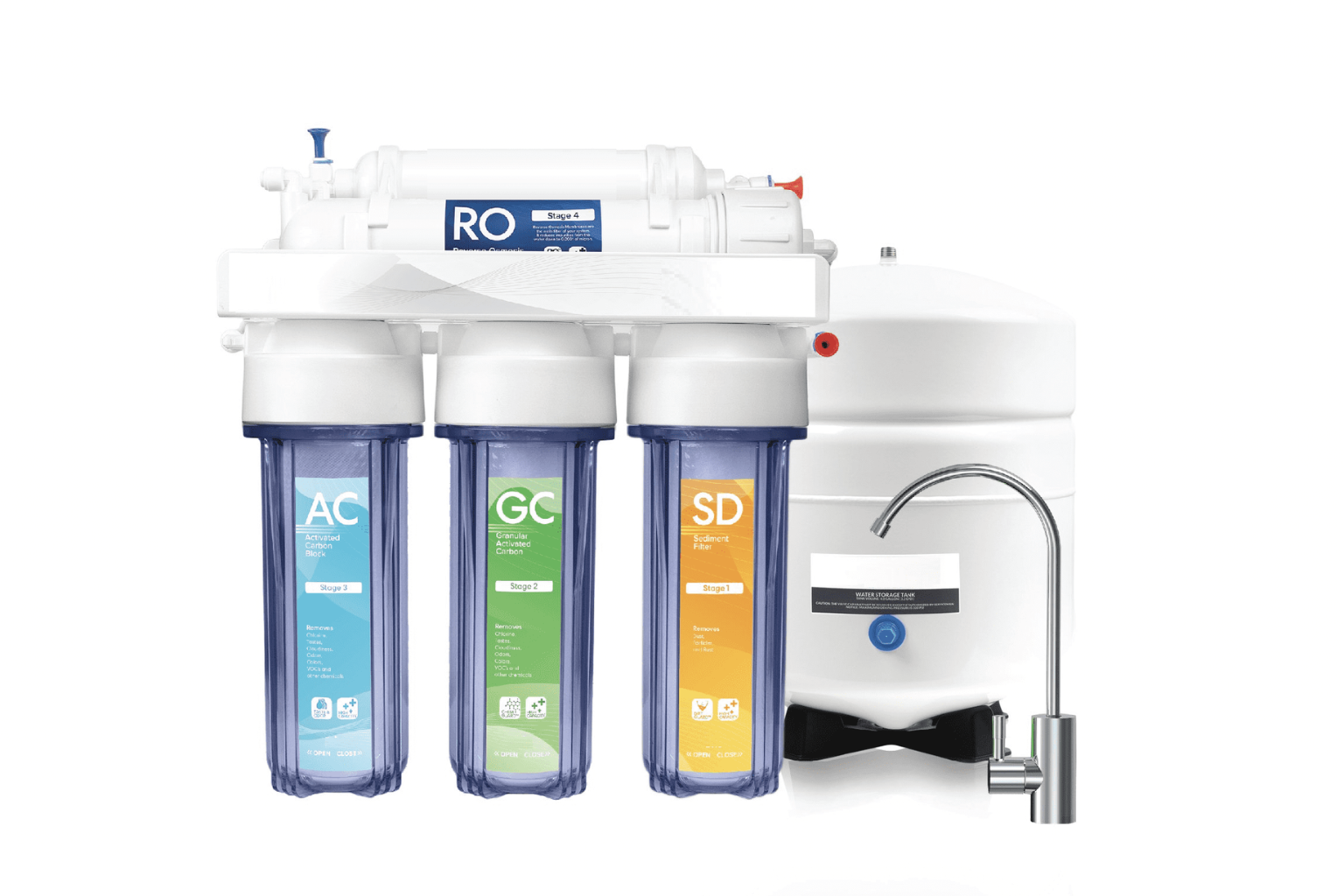
    Remineralization cartridges are commonly installed as the final stage in RO systems. They work by allowing purified water to pass through mineral-rich media, gently enriching it before it reaches the tap.

    This step helps restore the natural taste profile of water while maintaining the purity achieved through filtration.

    For many households, remineralization transforms RO water from technically clean to genuinely enjoyable.

    The Everyday Benefits of Balanced Water

    Balanced water offers advantages that extend beyond taste.

    Mineral-rich water often enhances the flavor of coffee and tea, allowing natural aromas to develop more fully. Cooking also benefits, as balanced water interacts better with ingredients.

    Some people find that slightly alkaline water feels gentler on the stomach and supports hydration habits simply because it tastes better.

    While these benefits may seem small individually, they collectively improve daily routines in meaningful ways.

    Choosing the Right Approach for Your Home

    If you’re considering balancing RO water, the process usually begins with understanding your system setup.

    Many modern RO units already include optional alkaline or remineralization stages that can be easily added or upgraded.

    Water testing can also help determine pH levels and mineral content, ensuring that adjustments are appropriate and not excessive.

    Consulting with water treatment professionals can provide valuable guidance in selecting the most suitable solution.

    Making informed choices helps maintain both water quality and system efficiency.

    Maintenance: Keeping Systems Effective

    As with any filtration system, maintaining balance requires regular upkeep.

    Mineral cartridges need periodic replacement to ensure consistent performance. Filters must be changed according to manufacturer recommendations.

    Neglecting maintenance can reduce effectiveness and lead to fluctuations in water quality.

    Fortunately, many modern systems include indicators that simplify maintenance scheduling.

    With proper care, balanced water systems can provide reliable results for years.

    Looking Ahead: The Future of Water Customization

    Water treatment technology continues to evolve rapidly.

    New filtration systems are becoming increasingly customizable, allowing homeowners to adjust mineral levels and pH balance based on personal preferences.

    Smart monitoring devices can now track water quality in real time, providing insights through mobile applications.

    These advancements are making it easier than ever to achieve water that is both pure and perfectly balanced.

    A Small Adjustment That Makes a Big Difference

    Water is one of life’s simplest essentials, yet its quality quietly shapes countless daily experiences.

    From improving taste and hydration habits to enhancing cooking and comfort, balanced RO water offers benefits that extend far beyond basic purification.

    In the end, achieving the right balance isn’t about making water more complicated. It’s about restoring what nature originally intended — clean, refreshing water that feels just right with every sip.

  • The Difference You Can’t See: How Surgical Instrument Quality Quietly Shapes Patient Care

    The Difference You Can’t See: How Surgical Instrument Quality Quietly Shapes Patient Care

    The Tools That Work Behind the Spotlight

    When people talk about surgery, they often focus on the visible heroes — the surgeon’s skill, advanced technology, or life-saving procedures. Rarely does anyone think about the instruments lying neatly arranged on a tray before the operation even begins.

    Yet those tools matter more than most patients ever realize.

    Every clamp, forceps, or scalpel plays a role in translating a surgeon’s knowledge into action. In fact, many medical professionals will tell you that even the most experienced hands can only perform as well as the instruments they use.

    It’s not a dramatic story. It doesn’t involve bright screens or robotic arms. But it’s one of the quietest foundations of modern healthcare — the quality of the tools that make surgery possible.

    Why Quality Is Never Just a Detail

    There’s a reason hospitals invest heavily in high quality surgical instruments. It’s not about prestige or appearances. It’s about reliability, consistency, and safety.

    High-quality instruments are designed to withstand repeated sterilization cycles without losing their structural integrity. They maintain sharpness longer, provide better alignment, and offer smoother handling during delicate procedures.

    On the other hand, lower-quality tools can create subtle but significant problems. Hinges may loosen over time. Cutting edges may dull quickly. Gripping surfaces might fail to provide stable control.

    These issues don’t just slow down surgical workflows — they can directly affect precision and increase risks.

    Quality, in this context, isn’t a luxury. It’s a necessity.

    The Role of Precision in Surgical Performance

    One of the most important aspects of surgical instrumentation is the ability to support precision performance.

    Surgery often involves working within extremely small margins. A fraction of a millimeter can determine whether a procedure proceeds smoothly or encounters complications.

    High-quality instruments help surgeons achieve this level of accuracy. Balanced weight distribution allows for better control. Ergonomic designs reduce hand fatigue during lengthy procedures. Smooth surfaces prevent unnecessary tissue trauma.

    Even small details, like how a forceps tip aligns or how smoothly a hinge operates, can influence the outcome of a delicate maneuver.

    It’s a reminder that precision in surgery isn’t just about human skill — it’s also about the tools that support it.

    How Instrument Quality Affects Patient Results

    Ultimately, the purpose of any surgical tool is to improve surgical outcomes.

    When instruments function reliably, procedures can be performed more efficiently. Reduced operating time often means lower infection risks and quicker recovery for patients.

    Clean, precise cuts promote better healing and minimize scarring. Stable gripping tools reduce tissue damage. Consistent instrument performance allows surgeons to focus fully on patient care rather than adjusting to equipment limitations.

    In many cases, the connection between instrument quality and patient outcomes is indirect but powerful.

    It’s one of those influences that operates quietly — almost invisibly — yet has a lasting impact.

    The Human Connection to Surgical Tools

    Interestingly, surgical instruments aren’t just mechanical objects to the professionals who use them.

    Over time, surgeons develop a strong familiarity with their tools. They know how each instrument feels, how it responds under pressure, and how much force is required for specific tasks.

    This relationship is built on trust.

    When surgeons feel confident in their instruments, they can focus entirely on the procedure itself. When uncertainty exists — perhaps due to inconsistent quality — it introduces unnecessary distractions.

    In a high-stakes environment like an operating room, even small distractions can matter.

    That’s why many surgeons prefer to work with specific instrument brands or models they trust.

    The Importance of Material and Manufacturing Standards

    Behind every high-quality surgical instrument lies a careful manufacturing process.

    Medical-grade stainless steel is commonly used because of its resistance to corrosion, durability, and ability to withstand repeated sterilization. Precision machining ensures accurate alignment and smooth operation.

    Quality control processes also play a crucial role. Instruments must meet strict regulatory standards to ensure safety and performance.

    These standards aren’t just bureaucratic requirements — they’re safeguards that protect both medical professionals and patients.

    Maintenance: Protecting Long-Term Performance

    Even the best instruments require proper care.

    Regular cleaning, sterilization, and inspection help maintain functionality and extend lifespan. Proper storage prevents damage and ensures readiness for future procedures.

    Training staff in correct handling techniques is equally important. Simple mistakes, such as improper cleaning methods or excessive mechanical stress, can shorten instrument life significantly.

    Maintenance isn’t just a routine task — it’s part of preserving quality over time.

    Balancing Quality with Cost Considerations

    Healthcare budgets are always under pressure, which can make purchasing decisions challenging.

    While high-quality instruments often require a higher initial investment, they typically offer better long-term value. Durable tools reduce replacement frequency, minimize maintenance costs, and improve operational efficiency.

    In contrast, lower-quality instruments may appear cost-effective at first but can lead to higher expenses over time due to frequent replacements and performance issues.

    When viewed from a broader perspective, investing in quality becomes both a clinical and financial decision.

    Looking Toward the Future of Surgical Instrumentation

    Advancements in materials science and manufacturing technology continue to improve surgical instruments.

    Modern tools are becoming lighter, stronger, and more ergonomically designed. Some incorporate digital features that enhance accuracy and feedback during procedures.

    Sustainability is also gaining attention, with manufacturers exploring eco-friendly materials and production processes.

    These developments suggest that surgical instruments will continue evolving to meet the changing needs of healthcare systems worldwide.

    A Quiet Foundation of Medical Excellence

    Most patients will never see the tools used during their surgery. They’ll remember the experience differently — the reassurance of skilled doctors, the relief of recovery, and the return to normal life afterward.

  • Choosing the Right Water for Your Home: What Most People Don’t Think About Until They Should

    Choosing the Right Water for Your Home: What Most People Don’t Think About Until They Should

    Water is one of those background players in our daily lives. It’s there when you brush your teeth, when you rinse vegetables, when you fill the kettle before work. Most of the time, you don’t give it a second thought. And honestly, that’s a good thing — water should be dependable.

    But every so often, something shifts. Maybe your tap water smells faintly like chlorine. Maybe your bathroom sink starts showing rust-colored stains. Or maybe you’ve just moved into a new house and you’re not entirely sure what kind of water system you’re dealing with.

    That’s usually when people start asking questions.

    Not All Water Is the Same

    One of the biggest misconceptions homeowners have is that water quality is universal. It isn’t. The water in your home depends heavily on its source.

    If you’re connected to municipal water, your supply is treated by a local facility before it reaches your house. That means it’s disinfected, tested regularly, and generally safe to drink. However, it may still contain chlorine residuals, minerals, or trace elements picked up during its journey through pipes.

    On the other hand, if your home relies on a private well, the story is different. You’re responsible for monitoring and treating your own supply. And while well water can taste fantastic and feel “natural,” it can also carry iron, sulfur, bacteria, or excess minerals depending on geography.

    Understanding your source is the first step in figuring out what your home actually needs.

    The Unique Challenges of Well Water

    Homes using wells often deal with issues that city water users never encounter. Iron staining in sinks. Rotten egg odors from sulfur. Hard water scale coating showerheads.

    That’s where well water treatment becomes important. Unlike municipal systems, wells don’t benefit from centralized treatment. Testing is crucial — not just once, but periodically.

    Many well owners invest in filtration systems designed to address specific concerns. Iron filters. Water softeners. UV purification for bacterial control.

    The key is targeted treatment. Installing a random filter without testing is like taking medicine without knowing the diagnosis.

    When well water is properly treated, it can be incredibly clean and pleasant. But it requires awareness and maintenance.

    Making Sense of Filtration Choices

    Walk into any hardware store or browse online, and you’ll find dozens of water treatment products. Pitcher filters. Under-sink systems. Whole-house units. It can feel overwhelming fast.

    The truth is, there’s no universal answer. The best system depends on your water source and the specific challenges it presents.

    There are countless filtration options available today — carbon filters for chlorine taste, sediment filters for visible particles, reverse osmosis systems for dissolved solids, softeners for hardness.

    But before choosing, ask a simple question: what problem am I solving?

    If your only issue is taste from chlorine, a basic carbon filter might be enough. If you’re battling scale buildup throughout the house, a softener may be the better investment. If you’re on well water with multiple concerns, layered systems might make sense.

    Clarity comes from understanding the goal.

    The Everyday Impact You Might Overlook

    Water quality affects more than just drinking. It influences how your laundry feels, how your skin reacts after a shower, how long your appliances last.

    Hard water, for example, doesn’t just leave spots on glasses. It can shorten the lifespan of dishwashers and water heaters. Chlorine can alter the taste of tea or coffee. Iron can stain clothes over time.

    These aren’t emergencies. They’re slow, creeping inconveniences that add up.

    Improving water quality often feels subtle at first. Then one day, you realize your faucets stay cleaner longer. Your hair feels softer. You’re not buying bottled water anymore.

    That’s when it clicks.

    Testing: The Unsung Hero

    Before making any big decisions, testing your water is essential. Whether you’re on city supply or a private well, data removes guesswork.

    Many local services offer water analysis. At-home kits can provide basic readings for hardness, pH, or chlorine. For well owners, professional testing for bacteria and metals is especially important.

    Think of it as a health checkup for your home.

    Without testing, you’re essentially throwing darts in the dark.

    Maintenance Isn’t Optional

    Installing a water treatment system isn’t the end of the story. Filters need replacing. Softener salt needs refilling. Systems need occasional cleaning.

    Skipping maintenance can undo the benefits you invested in.

    The good news? Most modern systems are straightforward to maintain. And once it becomes part of your routine — like changing HVAC filters — it doesn’t feel like a burden.

    It feels responsible.

    Finding Balance

    It’s easy to fall into extremes with water. Either ignore it completely or obsess over every detail.

    The healthiest approach sits somewhere in the middle.

    Stay informed. Test periodically. Address real issues. Avoid unnecessary upgrades.

    Water doesn’t have to be perfect. It just needs to be balanced and reliable for your household’s needs.

    A Final Thought on Everyday Awareness

    Water runs quietly through every corner of your life. It cooks your meals, washes your clothes, fills your glass at the end of a long day.

    Taking the time to understand it isn’t dramatic. It’s practical.

    Whether you rely on municipal infrastructure or manage your own well, the goal is the same: water that works with you, not against you.

  • Behind the Chill: Why Reliable Refrigeration Quietly Keeps Businesses Alive

    Behind the Chill: Why Reliable Refrigeration Quietly Keeps Businesses Alive

    Most people never think about refrigeration unless something goes wrong. It’s one of those systems that works quietly in the background — no drama, no attention. But the moment it fails, everything changes. The temperature rises, alarms start blinking, and suddenly time feels very, very short.

    In homes, a broken refrigerator is inconvenient. In businesses, it can be catastrophic. Food spoils, products lose value, and operations come to a halt almost instantly. It’s not just about cooling — it’s about protecting inventory, reputation, and sometimes even safety.

    That’s why reliable refrigeration isn’t simply a technical need. It’s a foundational part of how many industries function.

    The Invisible Backbone of Modern Businesses

    From restaurants to supermarkets, hospitals to warehouses, refrigeration plays a critical role in daily operations. Without it, entire supply chains would collapse.

    Think about a grocery store. Every chilled display case, every freezer aisle, every fresh product depends on stable temperature control. Even small fluctuations can affect product quality and shelf life.

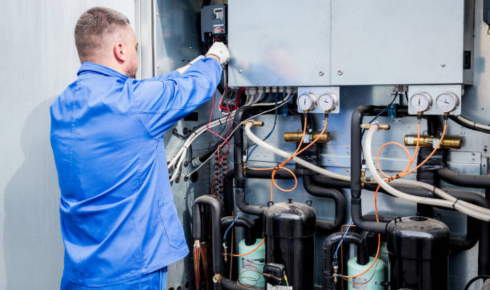
    This is where professional refrigeration services become essential. Routine inspections, system calibration, and performance monitoring ensure equipment operates consistently — preventing costly disruptions before they happen.

    Unlike reactive repairs, proactive servicing focuses on stability. And in industries where temperature matters, stability is everything.

    Why Temperature Control Is More Sensitive Than It Seems

    Many people assume refrigeration systems either work or they don’t. In reality, performance exists on a spectrum. A unit can still run while quietly losing efficiency.

    For example, a small refrigerant leak might not cause immediate failure. Instead, it slowly reduces cooling power, forcing the system to work harder and consume more energy.

    Similarly, airflow blockages or worn compressors can create uneven cooling. The temperature might appear normal overall, but certain areas may fluctuate enough to damage sensitive goods.

    These subtle inefficiencies often go unnoticed until they escalate into major problems.

    When Repairs Become Urgent

    Refrigeration failures rarely happen at convenient times. They often occur during peak business hours or overnight when systems operate continuously.

    In these situations, quick response is critical. Professional commercial refrigeration repair focuses on minimizing downtime and restoring stable operation as quickly as possible.

    Experienced technicians understand the urgency involved. They diagnose issues rapidly, prioritize critical components, and implement solutions that prevent recurring failures.

    Speed matters, but so does accuracy. Temporary fixes might restore cooling briefly, but long-term reliability requires thorough repair.

    The Financial Impact of Refrigeration Downtime

    Few business owners fully realize how costly refrigeration failure can be until it happens.

    Consider a restaurant with a full walk-in cooler. If the system fails overnight, thousands of dollars’ worth of inventory can be lost by morning. Beyond the immediate financial hit, there’s also potential revenue loss and operational disruption.

    Warehouses face even greater risks. Temperature-sensitive goods like pharmaceuticals, dairy products, or frozen foods depend on precise environmental control.

    This is why reliable cold storage solutions are treated as investments rather than expenses. Proper system design, routine maintenance, and emergency backup planning protect both products and profits.

    Maintenance: The Most Overlooked Safety Net

    Many businesses prioritize repairs but underestimate the value of preventive maintenance. Yet regular servicing remains the most effective way to avoid unexpected breakdowns.

    Maintenance typically includes:

    • Cleaning condenser and evaporator coils

    • Checking refrigerant levels

    • Inspecting electrical connections

    • Calibrating temperature controls

    • Testing airflow and system efficiency

    These routine steps significantly reduce the likelihood of sudden failures.

    More importantly, they help systems operate at optimal efficiency, lowering energy consumption and operating costs over time.

    The Human Side of Refrigeration Reliability

    It’s easy to view refrigeration purely in mechanical terms — compressors, condensers, and cooling cycles. But behind every system are people whose work depends on its reliability.

    Chefs rely on it to maintain food safety standards. Pharmacists depend on it to preserve medications. Logistics teams trust it to keep shipments intact during transport.

    When refrigeration systems fail, it’s not just equipment that stops working. It disrupts workflows, creates stress, and sometimes threatens public safety.

    Reliable systems provide more than cooling — they provide peace of mind.

    Choosing the Right Service Partner

    Not all refrigeration providers offer the same level of expertise. Reliable service partners combine technical skill with clear communication and proactive support.

    Businesses benefit from providers who:

    • Offer routine maintenance plans

    • Respond quickly during emergencies

    • Provide transparent pricing

    • Explain issues clearly and honestly

    This partnership approach ensures systems remain reliable over the long term, rather than requiring constant reactive repairs.

    A Final Thought: Cooling That Keeps Everything Moving

    Refrigeration systems rarely receive attention when functioning properly. They work quietly, maintaining the conditions businesses rely on every day.

    But when they fail, their importance becomes instantly clear.

    Investing in regular maintenance, professional servicing, and reliable repair support helps prevent those stressful moments when time feels critical and options seem limited.

    Because ultimately, refrigeration isn’t just about keeping things cold.

  • Somewhere Between Luck and Habit: A Ground-Level View of Matka Culture

    Somewhere Between Luck and Habit: A Ground-Level View of Matka Culture

    There’s a strange comfort in routines we don’t fully question. A morning tea, a quick scroll through the phone, maybe a glance at something you’ve been checking for years without really thinking why. For many, matka slips quietly into that list—not loud enough to demand attention, but present enough to stay.

    It’s not always about winning. Sometimes, it’s just about looking.

    How Something So Simple Stayed Relevant

    Matka’s story is older than most people assume. It began in a much more structured way, tied to the fluctuation of cotton rates. People would bet on numbers connected to real-world markets. Over time, though, that connection faded, leaving behind a simpler system—just numbers, guesses, and outcomes.

    You’d think that would make it disappear. But it didn’t.

    Maybe because it never tried to be complicated. No big rules to learn, no steep entry barrier. Just pick a number, wait, and see. That simplicity is probably what helped it survive through decades, even as everything else changed.

    The Small Role It Plays in Daily Life

    What’s interesting is how casually matka fits into people’s routines. It’s rarely the center of someone’s day. More like a side note—a quick check between other things.

    People often refer to platforms or result sources like matka 420 when they’re looking for updates. It’s not always about trust or branding; sometimes it’s just familiarity. You hear a name often enough, and it sticks.

    And once it sticks, it becomes part of your pattern. Something you check without even realizing it’s become a habit.

    The Illusion of Patterns

    If you’ve ever watched someone track matka numbers, you’ll notice a certain intensity. They’re not just guessing—they’re observing, analyzing, trying to find meaning.

    It’s a very human thing to do.

    We’re wired to look for patterns, even in randomness. A number that hasn’t appeared in a while starts to feel overdue. A recent result might seem like the start of a trend. None of it is guaranteed, of course, but the belief itself is enough to keep the process going.

    It’s less about certainty and more about hope, if we’re being honest.

    When Everything Went Online

    There was a time when results weren’t instantly available. You had to rely on local networks, maybe a friend or a known contact. It had a slower pace, a different kind of anticipation.

    Now, it’s all digital.

    Websites and mobile platforms have made everything faster, easier, and more accessible. You don’t have to wait or ask—you just check. Anytime, anywhere.

    In that shift, names like tara matka have become common reference points for people searching results or updates. Again, it’s less about the name itself and more about the convenience it represents.

    But there’s a trade-off. When something is always within reach, it’s easier to over-engage without noticing.

    The Thin Line Most People Don’t Notice

    For many, matka remains harmless. A casual interest, nothing more. They check results, maybe place a small bet once in a while, and move on.

    But for some, the line between casual and consistent starts to blur.

    A win can feel encouraging—like maybe you’re starting to understand the system. A loss might push you to try again, just to “fix” it. And that cycle, if you’re not careful, can stretch longer than you intended.

    It’s not unique to matka, though. It’s the same pattern you see in many areas where chance is involved. The idea that the next attempt might be the one.

    The People Behind the Numbers

    What often gets missed in all this is the human side.

    Every number someone checks is tied to a moment—a small pause in their day, a flicker of expectation. Some people remember their wins vividly. Others barely care about the outcome anymore but still check out of habit.

    There are stories everywhere. Someone who stopped after realizing it wasn’t adding value. Someone who still follows it just because they always have. Someone who treats it like a game, nothing more.

    And maybe that’s the point—it means different things to different people.

    A Thought That Stays

    Matka isn’t easy to define. It’s not entirely a game, not fully a problem either. It sits somewhere in the middle, shaped by how people approach it.

    If you’re part of it, even in a small way, it helps to stay aware. Keep it light. Don’t let it quietly take up more space than it deserves.

    Because at the end of the day, it’s just numbers. And while numbers can be interesting for a moment, life has a way of offering far more—without needing to guess what comes next.

  • Стыковой сварочный станок для магистральных сетей

    Стыковой сварочный станок для магистральных сетей

    Магистральные трубопроводы диаметром более 315 миллиметров требуют особого подхода к монтажу, так как вес изделий исключает ручное манипулирование. В таких случаях на строительную площадку доставляется стыковой сварочный станок (truborezoff.ru/collection/stykovye-svarochnye-apparaty-s-gidravlicheskoy-podachey), представляющий собой мощный комплекс с высокой степенью автоматизации. Это оборудование способно развивать значительное усилие прижима, необходимое для деформации торцов массивных труб и формирования правильного грата. Стационарная конструкция обеспечивает идеальную соосность соединяемых элементов, что является залогом отсутствия внутренних напряжений в готовом трубопроводе.

    Для профессиональных монтажных бригад выбор техники часто сводится к поиску баланса между мощностью и мобильностью. Качественный стыковой сварочный аппарат для пнд труб промышленного класса должен легко монтироваться на прицеп для быстрого перемещения вдоль траншеи. Важным аспектом является наличие системы автоматического сброса давления после завершения цикла нагрева, что предотвращает деформацию остывающего полимера. Технологическая гибкость таких станков позволяет работать с трубами разного давления, подбирая индивидуальные температурные режимы.

    Если рассматривать экономическую эффективность, то стыковая сварка выигрывает у электромуфтового метода на длинных прямолинейных участках за счет отсутствия затрат на фитинги. Хотя первоначальные вложения в покупку станка могут показаться значительными, они быстро оправдываются при работе с большими объемами.

    Отсутствие лишних соединительных элементов также упрощает гидравлические расчеты системы, так как внутреннее сечение трубы остается практически неизменным. Опытные инженеры предпочитают именно этот метод при строительстве водоводов и канализационных коллекторов.