
Key Points
Water is something we expect to be available whenever we turn on a tap. We rarely think about where it has been stored, how it reaches our homes, or what might affect its condition along the way. That changes quickly when the supply becomes unreliable, water pressure drops, or an unpleasant smell appears after water…
Water is something we expect to be available whenever we turn on a tap. We rarely think about where it has been stored, how it reaches our homes, or what might affect its condition along the way. That changes quickly when the supply becomes unreliable, water pressure drops, or an unpleasant smell appears after water has been sitting unused for a while.
For many households, a dependable water storage and delivery system is essential. It helps manage interruptions, supports everyday activities, and provides a practical way to maintain a consistent supply. But choosing a tank is about more than finding something large enough to hold water. The material, installation, maintenance, and intended use all matter.
Why Water Storage Matters More Than You Think
Water demand isn’t always predictable. A family may use very little water early in the morning, then need several times as much when everyone gets ready for work or school. In areas where municipal supply is available only during certain hours, stored water helps bridge the gap.
Well-designed water storage tanks can provide a reserve for household cleaning, bathing, cooking, gardening, or other everyday needs. Commercial buildings may require larger storage capacity to support staff, sanitation, and operational processes. Farms and industrial facilities have their own requirements, depending on livestock, irrigation, equipment, and production schedules.
The important thing is to estimate actual demand before choosing a tank. A container that is too small may run empty during peak use, while an unnecessarily large tank can occupy valuable space and increase costs. Think about how many people use the property, how often water arrives, and whether the supply needs to last several hours or several days.
It’s also worth considering future needs. A growing family or expanding business may use considerably more water in a few years than it does today.
Choosing the Right Tank Material
Storage tanks are available in several materials, including polyethylene, fiberglass, steel, and concrete. Each has advantages, and the right option depends on where the tank will be installed, the type of water being stored, the available space, and the expected service life.
Polyethylene tanks are popular for residential use because they’re relatively lightweight, corrosion-resistant, and available in many sizes. They’re often easier to transport and install than heavier alternatives. However, the tank must be manufactured for the intended application, particularly if the water will be used for drinking.
Steel tanks can be suitable for larger storage requirements, provided their coatings and corrosion protection are appropriate for the water and environment. Concrete tanks offer strength and substantial capacity but require careful construction and attention to potential cracking or leakage.
Before purchasing, check the manufacturer’s specifications rather than relying on appearance alone. For drinking water, choose a tank specifically approved or certified for potable-water storage under the applicable local standards. Materials not designed for this purpose may introduce unwanted substances into the supply.
Understanding Water Pressure at Home
Storage capacity and water pressure are related, but they aren’t the same thing. A tank can hold plenty of water and still provide disappointing pressure at the shower or kitchen sink. This is especially noticeable in multi-storey homes, where gravity alone may not deliver the flow people expect.
That is where pressurized water tanks can play a useful role in certain systems. In a typical domestic pressure system, a pump moves water through the plumbing, while a pressure tank helps maintain pressure and reduces how frequently the pump switches on and off. Many systems use a bladder or diaphragm to separate water from a compressed air cushion.
This arrangement can make water delivery more consistent and help reduce unnecessary pump cycling. It may also extend pump life when the equipment is correctly sized and maintained.
However, a pressure tank isn’t simply a larger storage tank. Its usable water volume, operating pressure, pump capacity, and the building’s plumbing layout all affect performance. A tank that is too small for the pump or household demand may lead to frequent cycling, while incorrect pressure settings can create other problems.
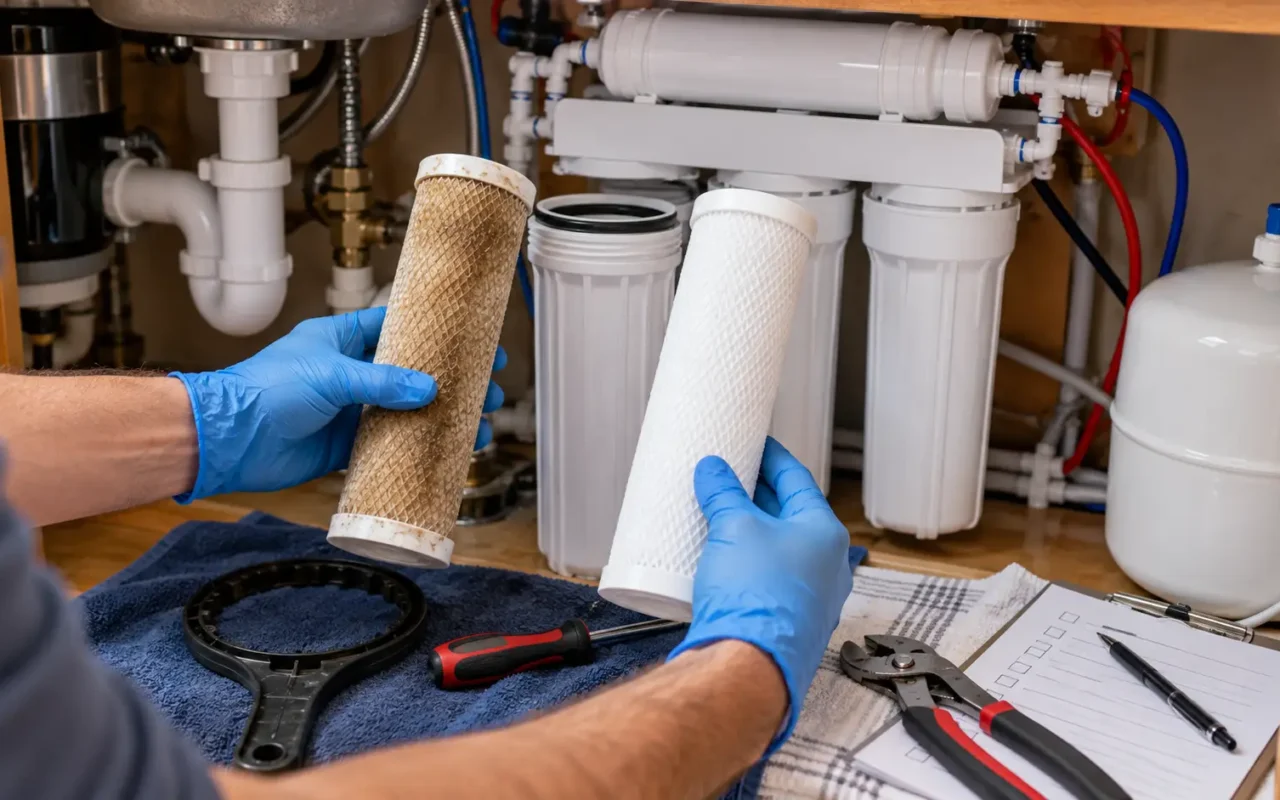
If you’re experiencing weak flow, don’t assume the tank is the only cause. Blocked filters, leaking pipes, faulty pumps, undersized plumbing, and partially closed valves can produce similar symptoms. A proper inspection is usually more useful than replacing equipment based on guesswork.
Protecting the Quality of Stored Water
Clean water at the source can deteriorate if storage conditions are poor. Dirt, insects, sunlight, damaged fittings, and poorly maintained covers can create opportunities for contamination. Even a tank that looks clean from the outside may need attention inside.
Common water quality issues include unusual odors, discoloration, sediment, and changes in taste. These symptoms can have several causes, so appearance alone cannot confirm whether water is safe to drink. Certain harmful microorganisms and chemical contaminants may be present without changing the water’s color, smell, or flavor.
Start by keeping the tank securely covered and ensuring that openings, vents, and access points are protected against pests and debris. Use suitable plumbing materials, and prevent runoff or wastewater from reaching the tank. Where possible, place the tank away from likely contamination sources and follow the manufacturer’s installation instructions.
If the water is intended for drinking, testing is particularly important when the source is a private well, the tank has been contaminated, or the supply has developed unusual characteristics. Follow local health guidance about cleaning, disinfection, and testing. If contamination is suspected, use a safe alternative drinking-water source until the issue has been assessed and resolved.
Never assume that boiling will solve every problem. It can help control many disease-causing microorganisms when done correctly, but it does not remove most chemical contaminants and may concentrate certain dissolved substances.
Routine Maintenance Makes a Difference
A little maintenance can prevent problems that become expensive later. Inspect the tank periodically for cracks, corrosion, loose fittings, leaks, damaged covers, and signs of pest activity. Check surrounding pipes and valves, too. Sometimes a small leak goes unnoticed because it occurs behind a wall or beneath the tank.
Cleaning frequency depends on the tank type, water source, local conditions, and manufacturer recommendations. If sediment accumulates or contamination occurs, cleaning and disinfection may be necessary. Use appropriate procedures, and hire a qualified professional when the tank is large, difficult to access, or requires entry.
Tank entry can be dangerous because enclosed spaces may contain hazardous atmospheres or create engulfment risks. Never climb inside a tank to clean it without proper confined-space procedures and trained personnel.
Pressure systems need maintenance as well. Watch for unusually frequent pump starts, fluctuating pressure, strange noises, or visible leaks. These symptoms may indicate a pressure-setting problem, a failed bladder, a leak, or another mechanical fault. Prompt attention can prevent unnecessary wear and reduce water waste.
Planning for Long-Term Reliability
Cost matters, of course, but the cheapest tank isn’t always the most economical choice over time. Consider the purchase price alongside installation, cleaning, replacement parts, energy consumption, and expected lifespan. Ask suppliers about warranties, maintenance requirements, and whether replacement fittings will remain readily available.
Location deserves careful thought. A full tank can be extremely heavy, so elevated or rooftop installations require suitable structural support. The base must be stable and level, and access should allow safe inspection and servicing. Outdoor tanks may also need protection from excessive heat, freezing conditions, or direct sunlight, depending on the material and local climate.
For larger buildings or properties with complicated water requirements, professional advice can help determine the right capacity, pump arrangement, and protection measures.
A Reliable Water Supply Starts with Good Decisions
A dependable water system isn’t defined by tank size alone. It comes from choosing appropriate equipment, installing it correctly, protecting the stored supply, and keeping everything in good working condition.
Take time to understand how much water your household needs, whether pressure assistance is necessary, and what precautions are required to maintain safe storage. These decisions may not seem exciting, but they can prevent frustrating interruptions and expensive repairs.
Water is central to a comfortable, functioning home. When its storage and delivery systems are planned with care, the benefits are felt every day—in the kitchen, in the bathroom, and in the quiet confidence of knowing your water supply is ready when you need it.
Related Posts
Keeping Water Treatment Systems Running Smoothly With Regular Care
A water treatment system is easy to forget about when it’s doing its…
Understanding Water Quality: Practical Solutions for Homes and Businesses
Water is easy to overlook when everything seems to be working as it…
HVAC Repair: Keeping Your Heating and Cooling System Running Efficiently
A comfortable indoor environment depends on a heating, ventilation, and air conditioning system…
