
Key Points
A water treatment system is easy to forget about when it’s doing its job. The water tastes fine, the shower runs normally, and there are no strange marks around the kitchen sink. Everything seems to be working, so there’s little reason to think about what’s happening behind the scenes. Then, perhaps months later, the water…
A water treatment system is easy to forget about when it’s doing its job. The water tastes fine, the shower runs normally, and there are no strange marks around the kitchen sink. Everything seems to be working, so there’s little reason to think about what’s happening behind the scenes. Then, perhaps months later, the water pressure drops, an unpleasant taste returns, or mineral deposits begin showing up again. Suddenly, the equipment that once felt like a simple home improvement needs attention.
Regular care can help prevent many of these surprises. Whether a home uses a drinking-water filter, a softener, or a more advanced treatment setup, keeping the equipment in good condition is an important part of maintaining consistent performance. It doesn’t always require complicated work, either. Often, a few sensible checks and timely servicing can make a real difference.
Why Routine System Checks Matter
Water treatment equipment deals with changing conditions every day. Filters collect particles, carbon media gradually loses its capacity, and softeners need periodic regeneration to continue reducing hardness. Components may also wear down through normal use. These changes happen slowly, which is why homeowners don’t always notice them immediately.
A system that appears to be running normally may no longer be performing as expected. For example, a carbon filter can lose its ability to reduce certain tastes and odors after reaching the end of its service life. A clogged sediment filter may restrict water flow, while a poorly maintained softener may allow scale to return on fixtures and appliances.
Routine inspections help identify these issues before they become more disruptive. Check the equipment for visible leaks, unusual sounds, warning lights, and changes in pressure. Review the manufacturer’s service schedule and keep track of when filters or other consumable parts were last replaced.
These checks aren’t a substitute for water testing, particularly when health-related contaminants are a concern. They are simply a practical way to keep the equipment operating as intended.
Calibration Helps Maintain Consistent Performance
Some treatment systems rely on electronic controls, sensors, timers, or automatic valves to manage their operation. Over time, settings may need adjustment, especially after repairs, changes in household water use, or replacement of certain components. If the controls are not set correctly, the system may use more resources than necessary or fail to complete its intended treatment cycle.
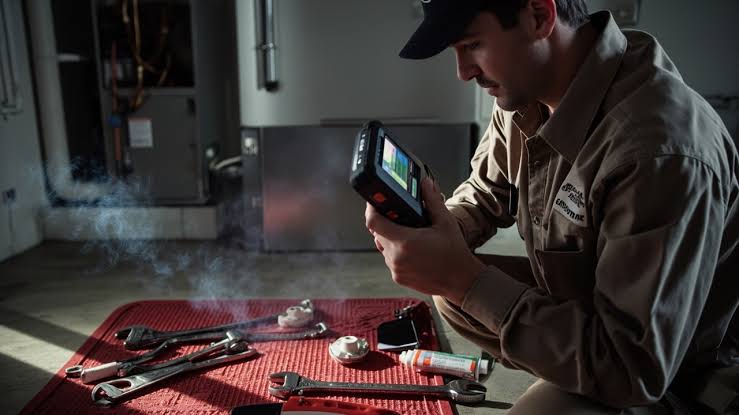
Proper system calibration helps ensure that the equipment’s settings and controls align with its operating requirements. Depending on the design, this may involve checking a control panel, verifying sensor readings, reviewing regeneration settings, or confirming that a monitoring device responds appropriately.
Not every water filter requires calibration, and homeowners should not adjust technical settings without understanding their purpose. A basic cartridge filter, for instance, may only need replacement at the recommended interval. More complex systems can require manufacturer-specific procedures or assistance from a trained technician.
If your system displays an error code or begins behaving differently, consult the operating manual before making changes. Record the warning message and note when the problem started. This information can help a service professional identify the cause without unnecessary trial and error.
Recognizing Leaks Before They Cause Damage
A small leak can be easy to miss, particularly when treatment equipment is tucked beneath a kitchen sink, inside a utility cupboard, or near a water heater. A few drops around a fitting may not seem urgent, but persistent moisture can damage cabinetry, flooring, and nearby materials. In some cases, a loose connection can also reduce system pressure or interrupt normal operation.
Check hoses, valves, fittings, and visible connections periodically. Look for damp patches, water stains, corrosion, or mineral deposits that suggest a slow leak. Pay attention after a filter change or service visit, when connections may have been disturbed. If a leak appears, follow the manufacturer’s instructions for safely shutting off the water supply before arranging further inspection.
Professional leak detection and repair may be necessary when the source isn’t obvious or the problem continues after a simple connection check. A technician can inspect the affected parts, determine whether a seal or fitting has failed, and identify any related damage. Avoid repeatedly tightening components if you aren’t sure how they are designed to work, since excessive force can damage threads or housings.
If water is near electrical equipment, keep clear and seek qualified assistance. Safety comes first, even when the leak looks minor.
Filter Replacement Is Only Part of the Job
Filters are among the most frequently serviced parts of a water treatment system, but replacement schedules vary. Some cartridges need changing every few months, while others are designed to last longer under suitable conditions. Actual service life depends on water quality, household demand, the type of filter, and the manufacturer’s specifications.
Waiting until the water tastes different isn’t always a reliable approach. Some filters are intended to reduce substances that cannot be detected through taste or smell. Follow the product’s replacement schedule and pay attention to any capacity indicators built into the equipment.
When replacing a cartridge, use the correct part and follow the instructions for installation and flushing. An improperly seated filter can cause leaks or allow water to bypass the intended treatment stage. If the system includes several cartridges, check whether they have different replacement intervals rather than changing everything automatically.
It is also worth keeping a small supply of compatible replacement parts if they are easy to store. That way, a routine filter change doesn’t turn into a lengthy delay while you search for the correct model.
Cleaning and Maintenance Keep Equipment in Good Shape
Dust, mineral residue, and moisture can collect around treatment equipment, especially in utility rooms, garages, and cupboards with limited ventilation. While these conditions may not immediately affect water quality, they can make it harder to notice leaks or identify worn components.
Regular cleaning and maintenance should follow the manufacturer’s guidance. Wipe down exterior surfaces, keep the area around the system accessible, and avoid using cleaning products that could damage plastic housings, seals, or electronic controls. Some systems require periodic sanitizing, while others need only basic exterior care and scheduled component replacement.
Water softeners may need attention to their salt supply and brine tank, depending on the model. Reverse osmosis systems can require membrane replacement and storage-tank checks. Ultraviolet disinfection units may need lamp replacement and sleeve cleaning at specified intervals. These tasks differ, so a single maintenance routine will not suit every type of equipment.
If you’re unsure which tasks are safe to perform yourself, ask the installer to explain the routine service requirements. A simple written checklist can help everyone in the household understand what needs attention and when.
When to Call a Professional
Some issues are straightforward, but others deserve expert attention. Repeated leaks, unexplained pressure changes, persistent odors, error codes, or a return of the original water-quality problem may indicate that something more than routine maintenance is needed.
Before arranging a service visit, note the symptoms and when they began. Mention recent filter changes, plumbing work, changes in the water source, or any unusual sounds. If you have recent water-test results, keep them available. This background can help a technician narrow down possible causes.
A good service provider should explain the findings, describe the recommended work, and distinguish essential repairs from optional upgrades. Ask about parts, labor, expected completion time, and any warranty coverage. Clear information makes it easier to decide what to do next without feeling rushed into unnecessary work.
Make Maintenance Part of Your Routine
A water treatment system doesn’t need constant attention, but it does benefit from consistent care. Set reminders for filter changes, keep service records, and check the equipment occasionally for leaks or other visible changes. Arrange testing when appropriate, particularly if your water source changes or you notice a sudden difference in taste, color, or odor.
The aim is not to make household maintenance more complicated. It’s to catch small issues early, preserve the equipment’s intended performance, and avoid preventable disruption. With sensible inspections, timely servicing, and clear records, your water treatment system can remain a dependable part of everyday life.
Related Posts
Understanding Water Quality: Practical Solutions for Homes and Businesses
Water is easy to overlook when everything seems to be working as it…
HVAC Repair: Keeping Your Heating and Cooling System Running Efficiently
A comfortable indoor environment depends on a heating, ventilation, and air conditioning system…

House Removals in Aylesbury and Barking: How to Avoid the Common Pitfalls
Anyone who has moved house more than once knows the day itself rarely…
