

Key Points
In recent years, vehicle regulations in India have taken a sharp turn toward safety, standardization, and digital tracking. One of the most noticeable changes is the mandatory adoption of High Security Registration Plates (HSRP). If you still own an older vehicle with a traditional number plate, this shift isn’t something you can ignore anymore—it’s quickly…
In recent years, vehicle regulations in India have taken a sharp turn toward safety, standardization, and digital tracking. One of the most noticeable changes is the mandatory adoption of High Security Registration Plates (HSRP). If you still own an older vehicle with a traditional number plate, this shift isn’t something you can ignore anymore—it’s quickly becoming essential.
What is an HSRP Number Plate?
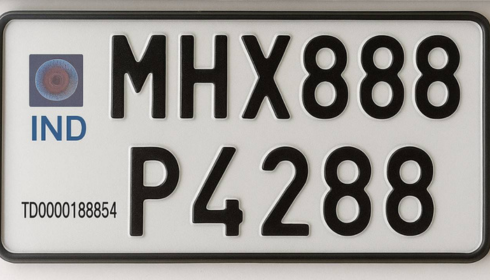
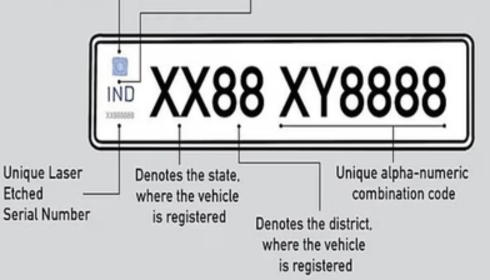
HSRP stands for High Security Registration Plate. These are standardized aluminum plates that come with several security features such as a chromium-based hologram, laser-etched unique identification number, and a non-removable snap lock. Unlike traditional plates, they are tamper-proof and directly linked to the vehicle’s registration details in a centralized database.
For older vehicles—those registered before April 2019—getting an hsrp number plate for old vehicle is now mandatory in many states. Authorities are enforcing this rule to reduce vehicle-related crimes, improve identification accuracy, and streamline traffic monitoring systems.
Why Old Vehicles Need HSRP Now
If your car or bike still carries a painted or sticker-based number plate, you’re technically out of compliance in several regions. Governments across India have started imposing fines and penalties for vehicles without HSRP.
There are a few reasons behind this push:
- Enhanced Security: The tamper-proof design prevents misuse or duplication.
- Centralized Data: Each plate is linked to a national database, making it easier for law enforcement to track vehicles.
- Uniformity: It eliminates variations in font, size, and styling of number plates.
So, upgrading isn’t just about avoiding fines—it’s about staying aligned with a more secure and organized system.
How to Order HSRP Number Plate Online
The process has been simplified significantly over the years. Today, you don’t need to stand in long queues or visit RTO offices repeatedly. You can complete most of the process from your home using hsrp number plate order online services.
Here’s how it typically works:
- Visit the Official Portal: Each state has authorized websites for HSRP booking.
- Enter Vehicle Details: You’ll need your registration number, chassis number, and engine number.
- Choose Fitment Location: Select a nearby dealership or authorized center.
- Make Payment: Fees vary slightly depending on vehicle type.
- Book Appointment: Pick a convenient date and time for installation.
Once done, you’ll receive confirmation via SMS or email, and your plate will be installed securely at the selected center.
Cost and Time Involved
The cost of HSRP plates is relatively affordable. For two-wheelers, it generally ranges between ₹300–₹500, while for four-wheelers, it can go up to ₹1,000 or slightly more depending on additional stickers or color-coded fuel tags.
The installation process itself is quick—usually completed within 10–15 minutes. However, availability of appointment slots may vary, especially in high-demand areas.
Important Things to Keep in Mind
While the process is straightforward, there are a few things you should be careful about:
- Use Only Authorized Platforms: Avoid third-party agents or unofficial websites.
- Double-Check Details: Any error in vehicle information can delay the process.
- Carry Original Documents: You may need them during installation.
- Avoid DIY Installation: HSRP must be fitted using a special lock system by trained personnel.
Ignoring these steps might lead to unnecessary complications or rejection.
What Happens if You Delay?
This is where many vehicle owners get casual—and it often backfires. Traffic authorities have started strict enforcement drives. Fines can range from ₹5,000 to ₹10,000 depending on your state and vehicle type.
Besides penalties, non-compliance may also create issues during insurance claims or vehicle resale. Buyers today prefer vehicles that are fully compliant with current regulations.
Final Thoughts
Upgrading to an HSRP number plate might feel like just another administrative task, but it’s actually part of a bigger shift toward smarter and safer transportation systems. For owners of older vehicles, this isn’t optional anymore—it’s a necessary upgrade that protects you legally and adds a layer of security to your vehicle.
If you haven’t already made the switch, now’s the time. The process is easy, affordable, and completely worth the effort.
Related Posts

Complete Support Guide FINOM PAYMENTS BV
1. FINOM PAYMENTS BV telephone number: 09 72 64 77 46 Managing a…
Everything You Need to Know About HSRP Number Plate and Online Number Plate Booking in India
When it comes to vehicle security and compliance, one term you’ve likely heard…
Everything You Need to Know About Booking Your HSRP Number Plate Online in 2026
In today’s digital-first world, vehicle compliance is just a few clicks away. Whether…
