Category: Home Services

  • When You Finally Notice Your Water, It’s Usually Time for a Change

    When You Finally Notice Your Water, It’s Usually Time for a Change

    Water has this way of blending into everyday life. You wake up, make coffee, rinse your face, fill a glass—and never really stop to think about it. It’s just there, doing its job quietly.

    Until one day, it isn’t.

    Not in a dramatic way. Nothing breaks. Nothing stops working. But something feels… off. Maybe it’s the taste. Maybe your shower feels different. Maybe your dishes aren’t as clean as they used to be.

    And that’s when you start paying attention.

    The Subtle Signs We Learn to Ignore

    It’s funny how long we can ignore small changes.

    A little buildup in the kettle. Slight dryness on your skin. Water that tastes just a bit flat or metallic.

    Individually, none of these things feel urgent. Together, they tell a story.

    And that story usually leads to one simple realization—your water could be better.

    That’s where people begin to explore different approaches, not because they have to, but because they want to improve something they interact with every single day.

    Getting the Foundation Right

    Once you decide to improve your water, the first step often feels straightforward—choose a system.

    But here’s where things get a bit more nuanced.

    It’s not just about what system you choose. It’s about how it’s set up.

    That’s where water system installation becomes important.

    A properly installed system doesn’t just function—it performs. It integrates smoothly with your home, works with your water pressure, and delivers consistent results.

    On the other hand, a rushed or incorrect installation can lead to issues that make you question the whole decision.

    It’s one of those things where getting it right the first time makes everything easier later.

    Why Expertise Makes a Difference

    Water isn’t as simple as it seems.

    Different areas have different water compositions. What works in one place might not work in another. And without the right understanding, it’s easy to choose something that doesn’t fully address your needs.

    That’s why many people turn to water treatment specialists.

    Not because they want something complicated, but because they want clarity.

    Someone who can look at their situation, understand what’s actually going on, and recommend a solution that makes sense.

    Because at the end of the day, it’s not about having the most advanced system—it’s about having the right one.

    Finding What Works for Your Home

    There’s no shortage of options when it comes to improving water.

    From softening to filtration to purification, each approach targets a different aspect of water quality.

    That’s why exploring different filtration solutions becomes part of the process.

    Some focus on taste. Others on mineral content. Others on removing specific impurities.

    The key is to match the solution to your needs.

    Because what matters isn’t how complex the system is—it’s how well it fits into your daily life.

    The Changes You Didn’t Expect

    What’s interesting is how the benefits of better water don’t always show up in obvious ways.

    Yes, the taste improves. That’s usually the first thing people notice.

    But then there are the quieter changes.

    Your skin feels less dry. Your hair feels softer. Your appliances seem to run more efficiently. Cleaning becomes a little easier.

    These aren’t dramatic transformations.

    But together, they create a noticeable shift in how your home feels.

    Why We Tend to Wait

    Water issues don’t feel urgent.

    There’s no breaking point, no moment where everything stops working. Just small inconveniences that you learn to live with.

    You adjust. You compensate. You tell yourself it’s normal.

    But once you take a step toward improvement, you realize how much you were adapting without even noticing.

    And that realization can be a bit surprising.

    Keeping It Simple

    One of the biggest misconceptions about water improvement is that it’s complicated.

    It doesn’t have to be.

    You don’t need to understand every technical detail or invest in the most advanced system available.

    You just need something that works for your home—something that improves your daily experience without adding extra effort.

    And once it’s in place, it should fade into the background.

    The Comfort of Consistency

    At the end of the day, what most people want isn’t perfection.

    It’s consistency.

    They want to turn on the tap and know what to expect. No strange tastes, no unexpected buildup, no extra effort.

    And when you achieve that, something interesting happens.

    You stop thinking about your water altogether.

    When You Notice the Difference Elsewhere

    It’s funny how quickly you adapt to better water.

    At first, the difference stands out. The taste, the feel, the ease.

    But over time, it becomes your new normal.

    And then, when you encounter untreated water somewhere else, the contrast is obvious.

    That’s when it really clicks.

    Coming Back to What Water Should Be

    Water should be simple.

    It should support your daily routine without adding friction or doubt. It should feel clean, taste right, and behave the way you expect.

    And when you take the time to improve it—through the right system, proper installation, and expert guidance—that’s exactly what happens.

    Not a dramatic transformation.

    Just a better everyday experience.

    Quiet, reliable, and exactly the way water was always meant to be.
  • The Water Behind Your Business Might Be Doing More Than You Think

    The Water Behind Your Business Might Be Doing More Than You Think

    Walk into any business on a normal day — a café buzzing with orders, a hotel preparing rooms, a workshop humming with machines — and water rarely gets any attention. It’s just there. Reliable. Invisible. Expected.

    Until it isn’t.

    And when it starts to fall short, it doesn’t usually announce itself loudly. It shows up in quieter ways — a slight inconsistency in taste, equipment that needs more maintenance than usual, or operations that just feel a bit less efficient than they should be.

    That’s when people begin to realize something important: water isn’t just a utility. It’s part of the system.

    When Small Water Issues Turn Into Bigger Business Problems

    Most business owners don’t wake up thinking about water quality. There are bigger things to focus on — customers, operations, growth.

    But water touches more of those things than we often realize.

    In food and beverage businesses, it directly affects taste. In hospitality, it influences guest experience. In industrial setups, it can impact production quality and equipment performance.

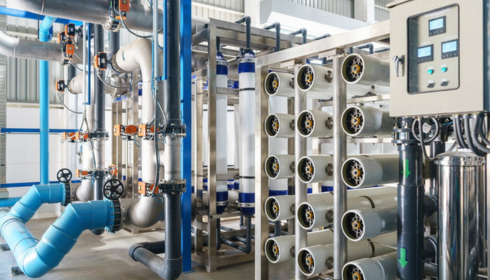
    That’s where commercial water treatment solutions start to become less of an upgrade and more of a necessity. They help ensure that the water running through your business supports what you’re trying to achieve, instead of quietly working against it.

    It’s not about fixing a crisis. It’s about preventing one.

    The Subtle Role of Water in Customer Experience

    Think about the last time you had a cup of coffee that didn’t taste quite right. Not bad, just… off.

    Chances are, water played a role.

    In businesses where customers interact directly with products — restaurants, cafés, salons — water becomes part of the experience. Even if customers don’t consciously think about it, they notice when something isn’t consistent.

    This is where business water filtration makes a difference. By removing impurities that affect taste, odor, or clarity, it helps maintain a level of consistency that customers come to expect.

    And consistency, in many ways, is what builds trust.

    Behind the Scenes: Equipment and Efficiency

    While customer-facing quality is important, there’s another side to this — the operational side.

    Water that carries minerals or impurities can affect equipment in subtle but costly ways. Scale buildup, reduced efficiency, more frequent repairs — these things don’t always feel urgent, but they add up over time.

    Using proper water purification systems can help protect your equipment by ensuring the water running through it is clean and balanced.

    It’s not just about avoiding breakdowns. It’s about keeping everything running smoothly, day after day.

    And in a business setting, that reliability is everything.

    The Cost of Not Paying Attention

    One of the challenges with water quality is that its impact isn’t always immediate.

    You don’t see a sudden failure. Instead, you see gradual changes — a slight increase in maintenance costs, a drop in efficiency, small inconsistencies that become part of your routine.

    Over time, these small issues can turn into larger expenses.

    Fixing equipment. Replacing parts. Adjusting processes.

    And often, the root cause traces back to something that seemed too simple to question — the water itself.

    Finding the Right Approach for Your Business

    Not every business has the same needs when it comes to water.

    A restaurant might focus on taste and cleanliness. A manufacturing unit might prioritize consistency and equipment protection. A hotel might look at guest comfort and overall experience.

    That’s why there’s no single solution that fits everyone.

    The key is understanding your specific requirements.

    • Are you noticing inconsistencies in product quality?
    • Is equipment requiring more maintenance than expected?
    • Are customers giving subtle feedback about taste or experience?

    These questions can guide you toward the right approach.

    Keeping It Practical, Not Overwhelming

    It’s easy to feel overwhelmed when exploring water treatment options. There are different systems, technologies, and configurations to consider.

    But it doesn’t have to be complicated.

    Start with what matters most to your business. Address the biggest issue first. Build from there if needed.

    You don’t need a perfect system — you need one that works for your operations.

    And often, that’s simpler than it seems.

    The Quiet Impact of Better Water

    What’s interesting about improving water quality is how it doesn’t demand attention once it’s done.

    Things just start working better.

    Products taste more consistent. Equipment runs more smoothly. Operations feel more predictable.

    It’s not something you think about every day. But it’s something you feel in the absence of problems.

    A Foundation You Don’t Have to Think About

    At the end of the day, water should be part of your business that you don’t have to worry about.

    It should support your operations quietly, without adding extra complexity or unexpected issues.

    When your water is right, everything else has a better chance of being right too.

    And maybe that’s the real goal — not to make water the center of attention, but to make it so reliable that you can focus on everything else that matters.

    Because sometimes, the strongest foundations are the ones you barely notice… until they’re not there.

  • When the Lights Flicker: A Practical Look at Electrical Work in Modern Homes

    When the Lights Flicker: A Practical Look at Electrical Work in Modern Homes

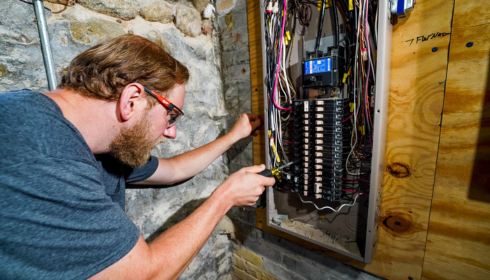
    Electricity is one of those things we rarely think about—until something stops working. A room suddenly goes dark. A socket refuses to cooperate. Or maybe a light switch starts making that faint buzzing sound that makes you pause for a second. In modern homes, electricity quietly powers nearly everything we do, from charging phones to running kitchen appliances. But when something goes wrong, it becomes impossible to ignore.

    That’s where professional lighting installations and electrical services come into play. They’re not just about fixing problems; they’re about keeping homes safe, efficient, and comfortable. And honestly, most homeowners don’t realize how much thoughtful electrical work shapes the way a space feels.

    The Subtle Impact of Good Lighting

    Lighting is more than brightness. It influences mood, productivity, and even how we perceive space. Think about walking into a warm living room with soft ceiling lights and a reading lamp in the corner. Now compare that to a harsh fluorescent bulb overhead. Same room, completely different atmosphere.

    Professional electricians understand this balance. They consider placement, intensity, and even the color temperature of bulbs. A kitchen might need bright task lighting, while bedrooms benefit from warmer tones that help you unwind after a long day.

    Modern homes often combine several layers of light—ambient, task, and accent. Under-cabinet strips in kitchens, recessed ceiling lights in hallways, or subtle garden lights outside. All of these require precise planning, safe wiring, and careful installation. It might look simple when finished, but behind the scenes, there’s quite a bit going on.

    When Something Breaks (And It Usually Does)

    No electrical system lasts forever. Wires age. Outlets loosen. Circuit breakers trip unexpectedly. And sometimes the problem appears at the worst possible moment—like when you’re preparing dinner or working late on a laptop.

    This is where reliable electrical repairs become essential. Small issues can quickly grow into bigger ones if ignored. A flickering light might seem harmless, but it could signal loose wiring or overloaded circuits. Warm outlets, frequent breaker trips, or dimming lights when appliances run are all warning signs.

    Experienced electricians approach these problems methodically. First they isolate the circuit. Then they check connections, inspect wiring, and verify the load capacity of the system. It’s a bit like detective work—following clues until the root cause becomes clear.

    Homeowners often try quick fixes, but electricity doesn’t usually reward shortcuts. Safety matters too much for guesswork.

    The Art of Finding Hidden Electrical Problems

    One of the most fascinating parts of electrical work is diagnosis. Problems are rarely obvious. A breaker might trip because of faulty wiring in a wall, an overloaded outlet, or even a damaged appliance somewhere else on the same circuit.

    This process is known as electrical troubleshooting, and it’s where professional experience really shines. Electricians rely on specialized tools—voltage testers, circuit analyzers, thermal scanners—to track down irregularities. Sometimes the issue is solved in minutes. Other times it requires patience and careful testing.

    I once spoke to an electrician who compared troubleshooting to solving a puzzle. “You start with the symptoms,” he said, “but the real answer is always hiding somewhere deeper.” That perspective sticks with you. Electrical systems are networks, after all, and everything is connected.

    Why Professional Work Matters

    It’s tempting to think electrical work is just wires and switches. But there’s a lot more involved than meets the eye. Proper grounding, load calculations, code compliance—these details keep homes safe from hazards like electrical fires or equipment damage.

    Professionals follow strict safety standards and building codes designed to protect both homeowners and technicians. They also understand how different systems interact: HVAC units, kitchen appliances, home automation systems, and more.

    Skipping professional help might save money today, but mistakes in electrical systems often cost far more later. Safety aside, poorly installed wiring can reduce efficiency, shorten appliance life, and create recurring problems.

    Electrical Systems Are Evolving

    Homes today look very different from those built twenty or thirty years ago. We use more devices, charge more batteries, and rely heavily on digital technology. Electric vehicles, smart thermostats, and solar panels are becoming common features.

    All of this places greater demand on residential electrical systems. Older wiring setups weren’t designed for this level of consumption. Upgrading circuits, installing new panels, or adding dedicated lines for high-power equipment has become increasingly important.

    Electricians today don’t just repair things—they help modernize homes. Energy-efficient lighting, smart home integration, and improved circuit management can reduce power consumption while improving convenience.

    It’s a quiet transformation happening inside walls most people never see.

    Safety Should Always Come First

    Electricity is incredibly useful, but it deserves respect. Even minor electrical faults can pose serious risks if ignored long enough. Burning smells near outlets, repeated breaker trips, or sparking switches should never be brushed aside.

    Regular inspections and timely repairs keep problems manageable before they escalate. And if something feels unusual with your home’s electrical system, it’s worth calling a professional rather than guessing.

    After all, peace of mind has real value.

    A Final Thought

    Most of the time, electricity works so smoothly we forget it’s even there. Lights switch on instantly, appliances run quietly, and our devices stay charged. But behind that everyday convenience lies a network of wires, circuits, and careful planning.

    Whether it’s installing new lights, diagnosing mysterious power issues, or upgrading aging systems, electrical work plays a vital role in how homes function. And while it might not always be visible, its impact is felt every single day.

    The next time you flip a switch and the room fills with light, it’s worth appreciating the craftsmanship behind that simple moment. Sometimes the most important systems in our homes are the ones we hardly notice—until they need attention.

  • When Your Home Needs Attention: Finding Reliable Repair Help in Central Alabama

    When Your Home Needs Attention: Finding Reliable Repair Help in Central Alabama

    There’s a certain moment every homeowner recognizes. Maybe it’s the water heater making a strange knocking sound in the early morning, or the AC unit struggling during a humid Alabama afternoon. At first, you ignore it. Then it keeps happening. Eventually you realize—something probably needs fixing.

    Home maintenance has a funny way of sneaking up on people. One day everything works perfectly, and the next day you’re Googling repair services while standing in the kitchen wondering why the sink suddenly drains slower than usual. If you live in Central Alabama, you already know that weather, humidity, and everyday wear can take a toll on homes over time.

    The good news? Reliable repair help is never too far away. And knowing how to find the right service can save you stress, time, and a surprising amount of money.

    Why Small Repairs Shouldn’t Be Ignored

    It’s tempting to put things off. A dripping faucet feels harmless. A small crack in drywall doesn’t seem urgent. But here’s the thing—minor issues rarely stay minor for long.

    Take plumbing leaks, for example. What begins as a slow drip can quietly lead to water damage inside cabinets or walls. Over time, that moisture can cause mold growth or structural problems that cost far more to repair later.

    The same goes for HVAC systems. Alabama summers are no joke, and when an air conditioner starts acting strange, it’s usually a sign that something inside the system needs attention. Waiting until the unit stops working completely often means emergency service, which is never the ideal situation.

    Homeowners who stay proactive tend to avoid those stressful “everything broke at once” scenarios. Sometimes all it takes is a quick inspection or routine repair to keep things running smoothly.

    What Makes Central Alabama Homes Unique

    Living in Central Alabama brings plenty of benefits—beautiful landscapes, warm communities, and plenty of sunshine. But the local climate also creates unique challenges for homeowners.

    Humidity, for instance, affects almost every part of a house. Wooden structures expand and contract. Air conditioning systems work overtime. Plumbing fixtures can experience extra corrosion over time.

    Storms are another factor. Heavy rains and occasional severe weather can damage roofs, gutters, siding, and outdoor electrical systems. Even when damage isn’t obvious right away, it often shows up later in subtle ways.

    Because of these regional conditions, homeowners sometimes need central Alabama repairs that are specifically suited to the environment. Local repair professionals understand these patterns better than anyone else, which makes their experience especially valuable.

    Choosing the Right Repair Professional

    Finding someone trustworthy to work on your home matters more than people sometimes realize. After all, this is the place where your family lives, where your routines happen, where your life unfolds.

    So how do you know who to call?

    First, look for companies with strong local reputations. Word-of-mouth recommendations still carry a lot of weight, especially in smaller communities. If neighbors consistently mention a certain repair service, that’s usually a good sign.

    Second, pay attention to communication. Good professionals don’t just show up with tools—they take time to explain what’s happening and what your options are. That kind of transparency builds trust.

    Another useful tip is checking whether the company offers easy ways to schedule service appointment requests online or by phone. Convenience matters. When something breaks at home, the last thing you want is a complicated booking process.

    Finally, reliability is key. A dependable technician shows up when promised, respects your home, and completes work carefully rather than rushing through it.

    Repairs That Homeowners Commonly Need

    If you talk to homeowners around Central Alabama, you’ll hear many of the same repair stories repeated.

    HVAC issues top the list. Air conditioners work hard during long summers, and even high-quality systems occasionally need maintenance or component replacement.

    Plumbing repairs are another frequent request. Leaky faucets, clogged drains, and aging water heaters can cause headaches if not addressed early.

    Electrical fixes are also common, particularly in older homes where wiring systems weren’t designed for modern appliances and electronics.

    Then there are structural or cosmetic repairs—things like drywall patches, door adjustments, flooring damage, or roof maintenance. These issues might not feel urgent at first, but they often affect comfort and home value over time.

    In other words, repairs come in all shapes and sizes. The key is addressing them before they grow into something bigger.

    Why Good Communication Matters

    Anyone who has dealt with a repair situation knows that clear communication can make all the difference. A technician who explains the problem simply—without technical jargon—instantly makes the experience less stressful.

    Some homeowners prefer quick phone conversations. Others feel more comfortable sending emails or filling out online forms. That’s why many companies today provide several contact options, making it easier for customers to reach out in whatever way feels most convenient.

    This flexibility might sound small, but when you’re dealing with a broken appliance or plumbing issue, convenience matters more than you’d expect.

    After all, life doesn’t pause just because something in the house stopped working.

    The Value of Acting Early

    There’s an old saying that homeowners learn quickly: small fixes today prevent big repairs tomorrow.

    Regular maintenance and prompt repairs help extend the lifespan of appliances, systems, and structural components. More importantly, they protect the comfort and safety of your home.

    It doesn’t mean you need to panic every time a strange noise appears in the house. Homes naturally settle and shift. But staying aware—and responding when something seems off—usually pays off in the long run.

    Think of it less like emergency repair and more like routine care for the place where your life happens.

    Final Thoughts

    Homes, like people, require a little attention now and then. Pipes wear down. Air conditioners struggle through heat waves. Doors creak. Appliances eventually complain.

    None of this means something is wrong with your home—it simply means it’s being lived in.

    The key is having reliable help available when those everyday problems appear. Skilled repair professionals throughout Central Alabama help homeowners keep things running smoothly, whether it’s a quick fix or a more involved repair project.

    And honestly, there’s something reassuring about knowing that when your home needs attention, experienced hands are ready to step in and help.

  • When Water Gets Smart: How Modern Technology Is Transforming the Way We Monitor Water Quality

    When Water Gets Smart: How Modern Technology Is Transforming the Way We Monitor Water Quality

    Water has always been something we quietly depend on. You turn on the tap, fill a glass, maybe brew your morning coffee — and rarely stop to wonder about what’s actually flowing through those pipes. But the truth is, water quality can change quickly. Weather patterns shift, infrastructure ages, and contaminants can appear where you least expect them. That’s why a growing number of communities and homeowners are turning toward smarter ways to monitor their water.

    Technology, interestingly enough, is now playing a bigger role in something as basic as drinking water. Not in a flashy sci-fi way, but in practical, quietly helpful ways. Sensors, connected devices, and intelligent software are making it easier than ever to stay informed about what’s happening inside a water system — sometimes before a human even notices a problem.

    Let’s talk about how this shift is happening and why it matters.

    Why Monitoring Water Quality Has Become More Important Than Ever

    For decades, water monitoring relied mostly on scheduled testing. A technician would collect samples, send them to a lab, and results would come back days later. It worked, but it wasn’t exactly fast.

    Today’s environmental conditions make that delay more risky than it once was. Population growth, industrial runoff, and aging pipelines all contribute to the possibility of contamination. Even small fluctuations in minerals, bacteria, or chemical levels can affect safety.

    And honestly, most people don’t want to wait days to learn if something is wrong with their water.

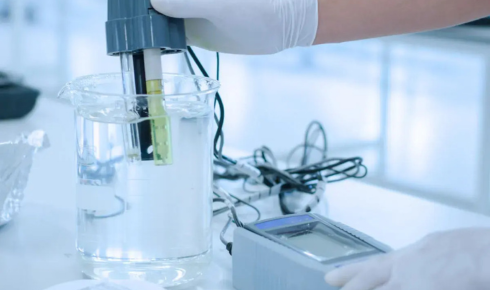
    This is where modern monitoring systems come into play. Instead of occasional tests, sensors can now collect data continuously. These devices measure things like pH levels, turbidity, temperature, and conductivity — all indicators that help determine whether water is safe and stable.

    The result? Problems can be spotted much earlier, sometimes instantly.

    The Rise of the Smart Water System

    A few years ago, the idea of a connected water system sounded a bit futuristic. Now it’s quietly becoming the new standard in many homes, buildings, and municipal infrastructures.

    At the center of this transformation is the smart water system. These systems combine sensors, cloud software, and real-time monitoring tools to give users a clearer picture of how their water behaves.

    Think of it as a health tracker for your plumbing.

    Sensors installed along pipes or filtration units constantly send data to a digital dashboard. If something unusual happens — a sudden pressure drop, abnormal mineral levels, or irregular flow — the system flags it immediately. Sometimes it even sends a notification straight to a phone.

    This type of technology is especially valuable in places where water safety is critical: hospitals, schools, large residential communities, and industrial facilities. But it’s slowly becoming more common in everyday homes as well.

    And honestly, once people experience that level of awareness, it’s hard to go back to guessing.

    Real-Time Alerts That Actually Make a Difference

    Imagine discovering a water contamination issue before it spreads through an entire building. Or learning about a filtration failure before anyone drinks from the tap.

    That’s exactly what modern water quality alerts are designed to do.

    Instead of relying on periodic reports, automated systems constantly analyze incoming data. If readings move outside safe parameters, alerts are triggered instantly. Sometimes it’s a simple notification; other times the system may automatically shut down a valve or activate additional filtration.

    These alerts aren’t just about emergencies either. They can also warn users about gradual changes that might otherwise go unnoticed — rising mineral content, declining filter performance, or unusual water pressure trends.

    In other words, they give people time to act.

    And when it comes to water safety, a little extra time can make a huge difference.

    Understanding System Performance Over Time

    One of the most overlooked benefits of modern monitoring is long-term data. Water systems don’t always fail dramatically; more often, they decline slowly.

    Filters clog. Pipes corrode. Pumps lose efficiency.

    Without data, those issues are easy to miss until something breaks.

    This is where system performance tracking becomes incredibly valuable. By recording water metrics over weeks or months, monitoring software can identify patterns that humans might overlook. Maybe a filtration unit needs replacing earlier than expected. Maybe water pressure drops slightly every evening when usage peaks.

    These insights help operators make better decisions — not guesses.

    Maintenance becomes proactive instead of reactive. Equipment lasts longer. And perhaps most importantly, water quality remains stable for the people who depend on it.

    Smart Water Technology Is Also About Conservation

    Interestingly, smart water monitoring isn’t just about safety. It’s also helping communities conserve water more effectively.

    Leaks, for example, are a major source of water waste. In many cities, millions of gallons are lost each year because small pipeline leaks go unnoticed. With connected sensors, those leaks can be detected much earlier.

    Flow sensors can pinpoint unusual usage patterns. Pressure monitoring can reveal hidden cracks in pipes. Even subtle fluctuations in flow rate can hint at a problem somewhere in the network.

    Over time, this kind of awareness can save enormous amounts of water — and money.

    It’s a quiet kind of efficiency, but a powerful one.

    The Human Side of Smarter Water

    Despite all the technology involved, the real goal behind smart water monitoring is pretty simple: peace of mind.

    People want to trust the water they drink. They want to know that the systems behind the walls and under the streets are working properly. They want fewer surprises.

    Technology alone can’t solve every water challenge, of course. Infrastructure upgrades, responsible water management, and public awareness still matter a great deal.

    But smart monitoring tools give communities a stronger foundation. They turn invisible systems into something we can actually observe and understand.

    And sometimes, just having that visibility changes everything.

    Looking Ahead

    Water systems around the world are evolving. Sensors are becoming smaller and cheaper. Data analytics is becoming more sophisticated. Artificial intelligence is even beginning to predict potential water issues before they happen.

    It’s an exciting shift, honestly.

    The humble tap in your kitchen may soon be connected to an entire ecosystem of intelligent monitoring tools, all working quietly in the background. Most people won’t notice the technology — and that’s kind of the point.

    What they will notice, though, is something much more important: cleaner water, safer systems, and the confidence that someone — or something — is always keeping an eye on the quality of what we drink.

  • When Clean Water Feels Too Clean: Understanding Alkaline RO Water and How to Restore Balance

    When Clean Water Feels Too Clean: Understanding Alkaline RO Water and How to Restore Balance

    The Day You Notice Your Water Tastes… Different

    For many people, installing a reverse osmosis (RO) system feels like a smart step toward better health. The promise is simple: cleaner, safer, and purer water right from your tap.

    But something unexpected often happens after the system is installed.

    At first, the water tastes incredibly crisp — almost too crisp. Over time, some homeowners begin to describe it as slightly flat or even “empty.” It’s not unpleasant exactly, just… different. Less rounded, less natural.

    That subtle shift leads to a common question: can purified water be too pure?

    The answer, interestingly, is yes — and that’s where the concept of balancing RO water begins.

    Why Reverse Osmosis Removes More Than Just Impurities

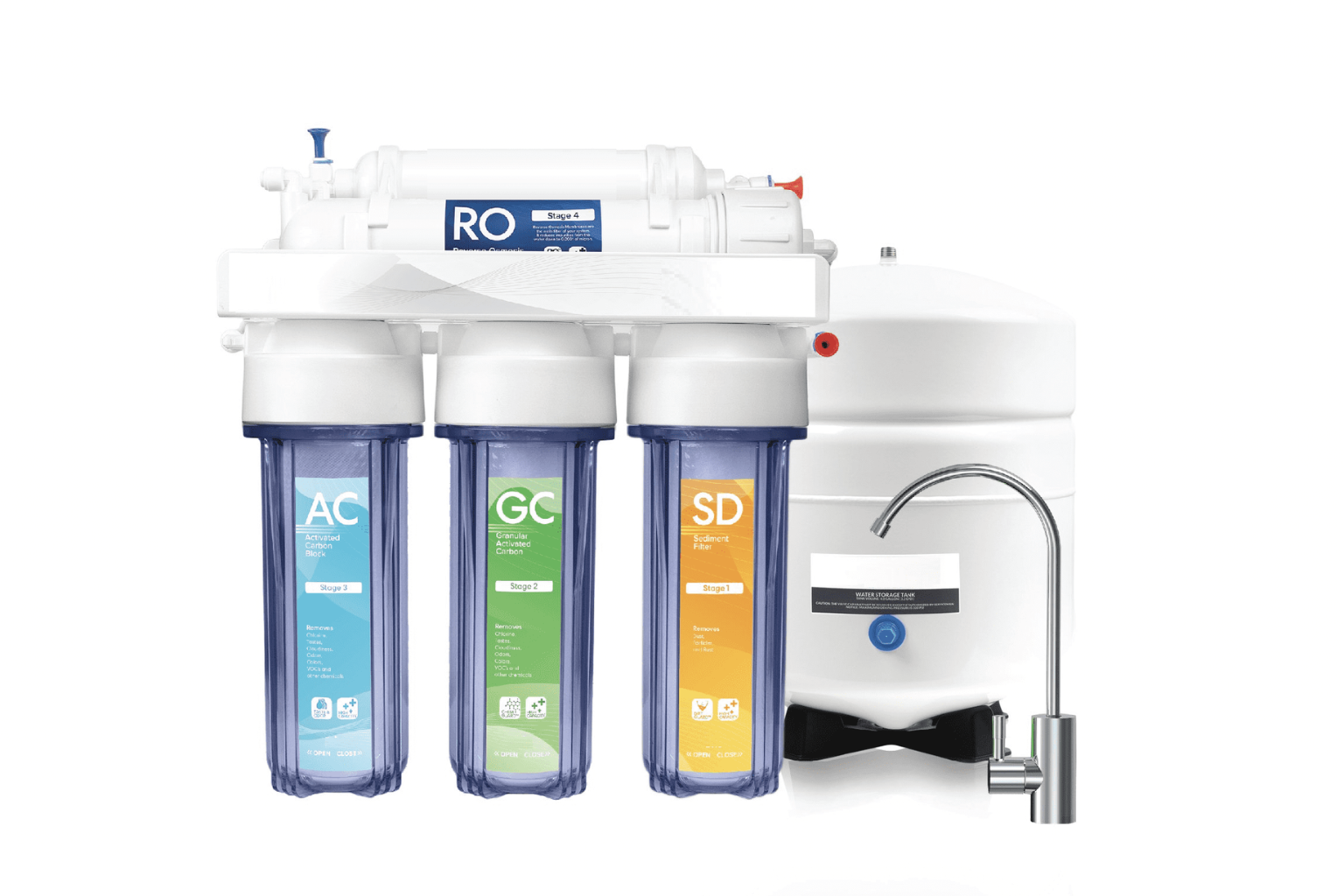
    Reverse osmosis systems work by pushing water through an ultra-fine membrane that blocks dissolved solids, chemicals, and microscopic contaminants.

    This process is incredibly effective. It removes heavy metals, chlorine byproducts, and many unwanted substances that standard filters cannot capture.

    However, RO systems don’t just remove harmful elements — they also eliminate naturally occurring minerals such as calcium and magnesium.

    These minerals are not only safe but also contribute to the taste and structure of water.

    When they’re removed, the result is extremely purified water that may lack the balance found in natural drinking sources.

    Understanding Why Alkaline Water Matters

    Water pH levels play a significant role in how water tastes and feels.

    Neutral water has a pH of around 7, while alkaline water typically ranges between 7.5 and 9. Many natural spring waters fall within this slightly alkaline range.

    Alkaline water often tastes smoother and less sharp than highly purified RO water, which can sometimes lean toward slightly acidic levels after filtration.

    This is why many homeowners start researching how to make ro water alkaline once they notice changes in taste.

    The goal isn’t to drastically alter water chemistry, but rather to restore balance by reintroducing beneficial minerals.

    How pH Adjustment Improves Drinking Water

    Restoring balance often involves a process known as pH adjustment.

    This doesn’t mean adding chemicals or artificially altering water in complex ways. Instead, it typically involves passing RO water through specialized mineral cartridges or alkaline filters.

    These filters gently increase pH levels by releasing small amounts of minerals into the water.

    As a result, the water becomes slightly more alkaline, improving both taste and overall drinking experience.

    Many people describe the difference as subtle but noticeable — water feels softer, smoother, and more refreshing.

    The Role of Remineralization in Water Quality

    One of the most effective ways to restore balance in RO water is through remineralization.

    This process involves reintroducing beneficial minerals such as calcium, magnesium, and potassium after filtration.

    Remineralization cartridges are commonly installed as the final stage in RO systems. They work by allowing purified water to pass through mineral-rich media, gently enriching it before it reaches the tap.

    This step helps restore the natural taste profile of water while maintaining the purity achieved through filtration.

    For many households, remineralization transforms RO water from technically clean to genuinely enjoyable.

    The Everyday Benefits of Balanced Water

    Balanced water offers advantages that extend beyond taste.

    Mineral-rich water often enhances the flavor of coffee and tea, allowing natural aromas to develop more fully. Cooking also benefits, as balanced water interacts better with ingredients.

    Some people find that slightly alkaline water feels gentler on the stomach and supports hydration habits simply because it tastes better.

    While these benefits may seem small individually, they collectively improve daily routines in meaningful ways.

    Choosing the Right Approach for Your Home

    If you’re considering balancing RO water, the process usually begins with understanding your system setup.

    Many modern RO units already include optional alkaline or remineralization stages that can be easily added or upgraded.

    Water testing can also help determine pH levels and mineral content, ensuring that adjustments are appropriate and not excessive.

    Consulting with water treatment professionals can provide valuable guidance in selecting the most suitable solution.

    Making informed choices helps maintain both water quality and system efficiency.

    Maintenance: Keeping Systems Effective

    As with any filtration system, maintaining balance requires regular upkeep.

    Mineral cartridges need periodic replacement to ensure consistent performance. Filters must be changed according to manufacturer recommendations.

    Neglecting maintenance can reduce effectiveness and lead to fluctuations in water quality.

    Fortunately, many modern systems include indicators that simplify maintenance scheduling.

    With proper care, balanced water systems can provide reliable results for years.

    Looking Ahead: The Future of Water Customization

    Water treatment technology continues to evolve rapidly.

    New filtration systems are becoming increasingly customizable, allowing homeowners to adjust mineral levels and pH balance based on personal preferences.

    Smart monitoring devices can now track water quality in real time, providing insights through mobile applications.

    These advancements are making it easier than ever to achieve water that is both pure and perfectly balanced.

    A Small Adjustment That Makes a Big Difference

    Water is one of life’s simplest essentials, yet its quality quietly shapes countless daily experiences.

    From improving taste and hydration habits to enhancing cooking and comfort, balanced RO water offers benefits that extend far beyond basic purification.

    In the end, achieving the right balance isn’t about making water more complicated. It’s about restoring what nature originally intended — clean, refreshing water that feels just right with every sip.

  • Choosing the Right Water for Your Home: What Most People Don’t Think About Until They Should

    Choosing the Right Water for Your Home: What Most People Don’t Think About Until They Should

    Water is one of those background players in our daily lives. It’s there when you brush your teeth, when you rinse vegetables, when you fill the kettle before work. Most of the time, you don’t give it a second thought. And honestly, that’s a good thing — water should be dependable.

    But every so often, something shifts. Maybe your tap water smells faintly like chlorine. Maybe your bathroom sink starts showing rust-colored stains. Or maybe you’ve just moved into a new house and you’re not entirely sure what kind of water system you’re dealing with.

    That’s usually when people start asking questions.

    Not All Water Is the Same

    One of the biggest misconceptions homeowners have is that water quality is universal. It isn’t. The water in your home depends heavily on its source.

    If you’re connected to municipal water, your supply is treated by a local facility before it reaches your house. That means it’s disinfected, tested regularly, and generally safe to drink. However, it may still contain chlorine residuals, minerals, or trace elements picked up during its journey through pipes.

    On the other hand, if your home relies on a private well, the story is different. You’re responsible for monitoring and treating your own supply. And while well water can taste fantastic and feel “natural,” it can also carry iron, sulfur, bacteria, or excess minerals depending on geography.

    Understanding your source is the first step in figuring out what your home actually needs.

    The Unique Challenges of Well Water

    Homes using wells often deal with issues that city water users never encounter. Iron staining in sinks. Rotten egg odors from sulfur. Hard water scale coating showerheads.

    That’s where well water treatment becomes important. Unlike municipal systems, wells don’t benefit from centralized treatment. Testing is crucial — not just once, but periodically.

    Many well owners invest in filtration systems designed to address specific concerns. Iron filters. Water softeners. UV purification for bacterial control.

    The key is targeted treatment. Installing a random filter without testing is like taking medicine without knowing the diagnosis.

    When well water is properly treated, it can be incredibly clean and pleasant. But it requires awareness and maintenance.

    Making Sense of Filtration Choices

    Walk into any hardware store or browse online, and you’ll find dozens of water treatment products. Pitcher filters. Under-sink systems. Whole-house units. It can feel overwhelming fast.

    The truth is, there’s no universal answer. The best system depends on your water source and the specific challenges it presents.

    There are countless filtration options available today — carbon filters for chlorine taste, sediment filters for visible particles, reverse osmosis systems for dissolved solids, softeners for hardness.

    But before choosing, ask a simple question: what problem am I solving?

    If your only issue is taste from chlorine, a basic carbon filter might be enough. If you’re battling scale buildup throughout the house, a softener may be the better investment. If you’re on well water with multiple concerns, layered systems might make sense.

    Clarity comes from understanding the goal.

    The Everyday Impact You Might Overlook

    Water quality affects more than just drinking. It influences how your laundry feels, how your skin reacts after a shower, how long your appliances last.

    Hard water, for example, doesn’t just leave spots on glasses. It can shorten the lifespan of dishwashers and water heaters. Chlorine can alter the taste of tea or coffee. Iron can stain clothes over time.

    These aren’t emergencies. They’re slow, creeping inconveniences that add up.

    Improving water quality often feels subtle at first. Then one day, you realize your faucets stay cleaner longer. Your hair feels softer. You’re not buying bottled water anymore.

    That’s when it clicks.

    Testing: The Unsung Hero

    Before making any big decisions, testing your water is essential. Whether you’re on city supply or a private well, data removes guesswork.

    Many local services offer water analysis. At-home kits can provide basic readings for hardness, pH, or chlorine. For well owners, professional testing for bacteria and metals is especially important.

    Think of it as a health checkup for your home.

    Without testing, you’re essentially throwing darts in the dark.

    Maintenance Isn’t Optional

    Installing a water treatment system isn’t the end of the story. Filters need replacing. Softener salt needs refilling. Systems need occasional cleaning.

    Skipping maintenance can undo the benefits you invested in.

    The good news? Most modern systems are straightforward to maintain. And once it becomes part of your routine — like changing HVAC filters — it doesn’t feel like a burden.

    It feels responsible.

    Finding Balance

    It’s easy to fall into extremes with water. Either ignore it completely or obsess over every detail.

    The healthiest approach sits somewhere in the middle.

    Stay informed. Test periodically. Address real issues. Avoid unnecessary upgrades.

    Water doesn’t have to be perfect. It just needs to be balanced and reliable for your household’s needs.

    A Final Thought on Everyday Awareness

    Water runs quietly through every corner of your life. It cooks your meals, washes your clothes, fills your glass at the end of a long day.

    Taking the time to understand it isn’t dramatic. It’s practical.

    Whether you rely on municipal infrastructure or manage your own well, the goal is the same: water that works with you, not against you.

  • Behind the Chill: Why Reliable Refrigeration Quietly Keeps Businesses Alive

    Behind the Chill: Why Reliable Refrigeration Quietly Keeps Businesses Alive

    Most people never think about refrigeration unless something goes wrong. It’s one of those systems that works quietly in the background — no drama, no attention. But the moment it fails, everything changes. The temperature rises, alarms start blinking, and suddenly time feels very, very short.

    In homes, a broken refrigerator is inconvenient. In businesses, it can be catastrophic. Food spoils, products lose value, and operations come to a halt almost instantly. It’s not just about cooling — it’s about protecting inventory, reputation, and sometimes even safety.

    That’s why reliable refrigeration isn’t simply a technical need. It’s a foundational part of how many industries function.

    The Invisible Backbone of Modern Businesses

    From restaurants to supermarkets, hospitals to warehouses, refrigeration plays a critical role in daily operations. Without it, entire supply chains would collapse.

    Think about a grocery store. Every chilled display case, every freezer aisle, every fresh product depends on stable temperature control. Even small fluctuations can affect product quality and shelf life.

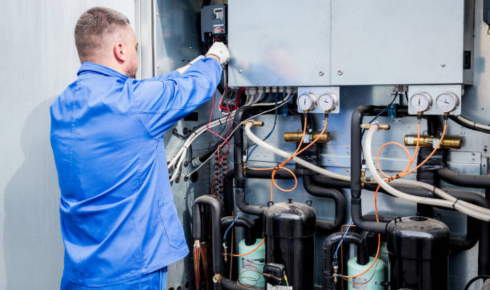
    This is where professional refrigeration services become essential. Routine inspections, system calibration, and performance monitoring ensure equipment operates consistently — preventing costly disruptions before they happen.

    Unlike reactive repairs, proactive servicing focuses on stability. And in industries where temperature matters, stability is everything.

    Why Temperature Control Is More Sensitive Than It Seems

    Many people assume refrigeration systems either work or they don’t. In reality, performance exists on a spectrum. A unit can still run while quietly losing efficiency.

    For example, a small refrigerant leak might not cause immediate failure. Instead, it slowly reduces cooling power, forcing the system to work harder and consume more energy.

    Similarly, airflow blockages or worn compressors can create uneven cooling. The temperature might appear normal overall, but certain areas may fluctuate enough to damage sensitive goods.

    These subtle inefficiencies often go unnoticed until they escalate into major problems.

    When Repairs Become Urgent

    Refrigeration failures rarely happen at convenient times. They often occur during peak business hours or overnight when systems operate continuously.

    In these situations, quick response is critical. Professional commercial refrigeration repair focuses on minimizing downtime and restoring stable operation as quickly as possible.

    Experienced technicians understand the urgency involved. They diagnose issues rapidly, prioritize critical components, and implement solutions that prevent recurring failures.

    Speed matters, but so does accuracy. Temporary fixes might restore cooling briefly, but long-term reliability requires thorough repair.

    The Financial Impact of Refrigeration Downtime

    Few business owners fully realize how costly refrigeration failure can be until it happens.

    Consider a restaurant with a full walk-in cooler. If the system fails overnight, thousands of dollars’ worth of inventory can be lost by morning. Beyond the immediate financial hit, there’s also potential revenue loss and operational disruption.

    Warehouses face even greater risks. Temperature-sensitive goods like pharmaceuticals, dairy products, or frozen foods depend on precise environmental control.

    This is why reliable cold storage solutions are treated as investments rather than expenses. Proper system design, routine maintenance, and emergency backup planning protect both products and profits.

    Maintenance: The Most Overlooked Safety Net

    Many businesses prioritize repairs but underestimate the value of preventive maintenance. Yet regular servicing remains the most effective way to avoid unexpected breakdowns.

    Maintenance typically includes:

    • Cleaning condenser and evaporator coils

    • Checking refrigerant levels

    • Inspecting electrical connections

    • Calibrating temperature controls

    • Testing airflow and system efficiency

    These routine steps significantly reduce the likelihood of sudden failures.

    More importantly, they help systems operate at optimal efficiency, lowering energy consumption and operating costs over time.

    The Human Side of Refrigeration Reliability

    It’s easy to view refrigeration purely in mechanical terms — compressors, condensers, and cooling cycles. But behind every system are people whose work depends on its reliability.

    Chefs rely on it to maintain food safety standards. Pharmacists depend on it to preserve medications. Logistics teams trust it to keep shipments intact during transport.

    When refrigeration systems fail, it’s not just equipment that stops working. It disrupts workflows, creates stress, and sometimes threatens public safety.

    Reliable systems provide more than cooling — they provide peace of mind.

    Choosing the Right Service Partner

    Not all refrigeration providers offer the same level of expertise. Reliable service partners combine technical skill with clear communication and proactive support.

    Businesses benefit from providers who:

    • Offer routine maintenance plans

    • Respond quickly during emergencies

    • Provide transparent pricing

    • Explain issues clearly and honestly

    This partnership approach ensures systems remain reliable over the long term, rather than requiring constant reactive repairs.

    A Final Thought: Cooling That Keeps Everything Moving

    Refrigeration systems rarely receive attention when functioning properly. They work quietly, maintaining the conditions businesses rely on every day.

    But when they fail, their importance becomes instantly clear.

    Investing in regular maintenance, professional servicing, and reliable repair support helps prevent those stressful moments when time feels critical and options seem limited.

    Because ultimately, refrigeration isn’t just about keeping things cold.