
Key Points
Most people turn on their kitchen faucet without giving much thought to what’s flowing through it. As long as the water appears clear and doesn’t have an unpleasant smell, it’s easy to assume everything is fine. However, water quality involves several characteristics that aren’t always visible. Unusual tastes, chemical odors, plumbing corrosion, and recurring mineral…
Most people turn on their kitchen faucet without giving much thought to what’s flowing through it. As long as the water appears clear and doesn’t have an unpleasant smell, it’s easy to assume everything is fine.
However, water quality involves several characteristics that aren’t always visible. Unusual tastes, chemical odors, plumbing corrosion, and recurring mineral deposits can reveal different aspects of your household water supply.
For homeowners throughout Silicon Valley and the Bay Area, understanding these characteristics can help make water treatment decisions considerably easier.
Rather than purchasing filtration equipment based on assumptions, taking time to investigate your existing water conditions provides a more reliable starting point. Knowing what affects your water and how different treatment technologies work can help you improve everyday convenience while avoiding unnecessary expenses.
Understanding the Role of Disinfectants in Your Water Supply
Municipal water suppliers use disinfectants to help control harmful microorganisms and maintain drinking water quality as water travels through distribution infrastructure.
Although this process serves an important public health purpose, some homeowners find the resulting taste or smell unpleasant.
The presence of chlorine in tap water can sometimes produce a noticeable swimming pool-like odor, particularly when filling a glass or running a hot shower.
While disinfectant residuals serve an important protective function within public water supplies, homeowners may choose additional treatment to improve water taste and odor at the point of use.
Activated carbon filtration is a commonly used technology for addressing these aesthetic concerns. Suitable carbon filters can reduce selected disinfectants and organic substances, depending on their design and certified capabilities.
However, some water suppliers use chloramine instead, which may require different filtration media or longer contact times for effective reduction.
Imagine preparing your morning coffee without the distracting chemical taste you’ve previously noticed. Appropriately selected filtration could make that familiar routine more enjoyable.
Before installing equipment, review your local water quality report to determine which disinfectant your supplier uses.
Understanding this distinction helps you choose suitable treatment technology rather than assuming every carbon filter performs identically.
Why Water Acidity and Alkalinity Deserve Attention
Water chemistry can influence everything from plumbing conditions to the performance of certain treatment systems. One particularly important characteristic involves whether water is acidic, neutral, or alkaline.
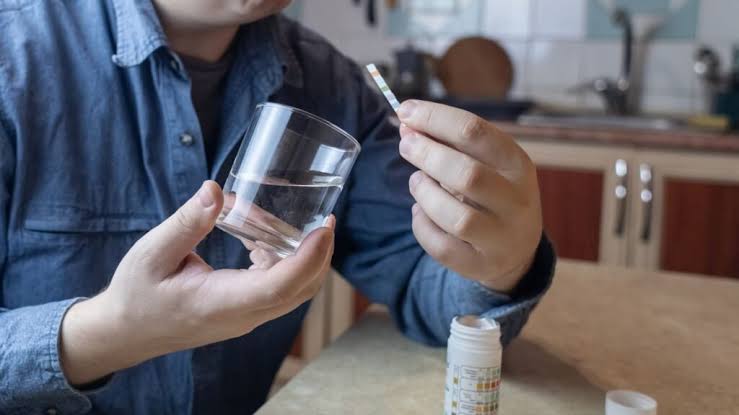
Measuring the ph of your household water provides information about its acidity or alkalinity, helping identify conditions that may influence plumbing corrosion, mineral accumulation, and treatment requirements.
The conventional measurement scale ranges from zero to fourteen, with seven representing neutrality under standard reference conditions. Lower readings indicate acidic conditions, while higher readings indicate alkaline conditions.
Water with relatively low readings may contribute to plumbing corrosion under certain circumstances, particularly when other water chemistry factors are involved.
Homeowners might notice metallic tastes or blue-green stains associated with copper plumbing.
Higher readings, meanwhile, can sometimes accompany conditions that encourage mineral precipitation and scale formation.
However, this measurement alone doesn’t determine whether drinking water is safe or whether treatment is necessary.
Other characteristics, including alkalinity, mineral concentrations, and plumbing materials, also influence water behavior.
If testing identifies concerning conditions, a qualified professional can investigate whether neutralization equipment, corrosion control, or another treatment approach deserves consideration.
Installing equipment without understanding the complete water chemistry could create unnecessary complications.
A balanced assessment helps ensure that treatment recommendations address actual concerns rather than relying on a single numerical reading.
Discover the Value of Testing Your Water Before Purchasing Equipment
Online advertisements frequently promise cleaner, better-tasting water through various filtration technologies. But how do you know which system will genuinely address your household’s concerns?
Arranging a home water quality test provides a useful foundation for understanding your existing water supply and identifying which treatment methods may be appropriate.
Depending on the assessment, preliminary testing may examine hardness, dissolved solids, disinfectant levels, acidity, and other selected characteristics.
Consider a homeowner who purchases an expensive water softener because their drinking water has an unpleasant chemical taste. Although the equipment might reduce hardness, it wouldn’t necessarily address the substance responsible for that taste.
An appropriate assessment could help prevent this kind of unnecessary spending.
Testing also provides useful information when comparing equipment capacities, filtration technologies, and ongoing maintenance expenses.
However, basic household assessments have limitations. They cannot necessarily identify harmful microorganisms, heavy metals, or every chemical contaminant.
When specific contamination concerns exist, independent testing through an appropriately accredited laboratory may be necessary.
Ask for clear explanations of your results and discuss whether additional investigation is recommended.
Reliable information allows you to make treatment decisions confidently without relying entirely on promotional promises.
Recognizing Everyday Signs of Water Quality Concerns
Your daily household routine can provide useful clues about existing water conditions.
Common signs worth investigating include:
- Strong chemical tastes or unpleasant odors.
- Blue-green or reddish-brown stains around fixtures.
- Persistent white mineral deposits on showerheads.
- Unusual metallic flavors in drinking water.
- Visible sediment or unexpected discoloration.
- Recurring scale accumulation inside household appliances.
These symptoms may have different underlying causes, making accurate testing particularly valuable.
Remember that some potentially harmful contaminants produce no noticeable taste, odor, or color. Clear-looking water should never be considered definitive evidence of drinking water safety.
Selecting Treatment Technology That Addresses Your Specific Needs
Different water quality concerns require different treatment approaches.
Activated carbon filtration may help reduce selected disinfectants and unwanted tastes. Water softeners primarily address excessive hardness, while reverse osmosis equipment can reduce many dissolved substances.
Specialized neutralization equipment may be appropriate for certain acidic water conditions.
Some households may benefit from combining complementary technologies, while others require only targeted treatment.
Before purchasing equipment, compare independently certified performance claims, installation requirements, treatment capacity, and ongoing maintenance expenses.
A thoughtfully selected system should address your actual water conditions rather than simply offering the greatest number of filtration stages.
Maintain Consistent Water Quality Through Regular Equipment Care
Installing treatment equipment is only the beginning. Filtration cartridges, membranes, and specialized treatment media require periodic attention to preserve their effectiveness.
Follow manufacturer maintenance recommendations and arrange professional servicing when necessary.
Periodic follow-up testing can also help verify whether your equipment continues addressing its intended treatment objectives.
Keeping maintenance records makes replacement schedules and future expenses easier to manage.
Take a Smarter Approach to Better Household Water
Improving water quality begins with understanding the characteristics of your existing supply.
For homeowners throughout Silicon Valley and the Bay Area, professional testing, thoughtful equipment selection, and consistent maintenance can help address persistent water quality frustrations.
Rather than repeatedly dealing with unpleasant tastes, stubborn deposits, or unexplained staining, investigate the underlying causes.
Ultimately, better water begins with better information. Understanding your household water chemistry today can help you make confident treatment decisions and enjoy greater convenience throughout your daily routine for years to come.
Related Posts
Living With Well Water in Idaho: Finding the Right Treatment for Your Treasure Valley Home
Having your own well comes with a certain sense of independence. There’s something…
A Better Drinking Water Experience Starts With the Right Filtration Choices
Water is something we use throughout the day without really thinking about it.…
Storing Water Safely: What Every Homeowner Should Know
Water is something we expect to be available whenever we turn on a…
