
Key Points
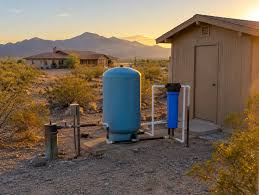
Having your own well comes with a certain sense of independence. There’s something reassuring about having a water supply directly connected to your property. But when the water suddenly smells unpleasant, leaves reddish stains on bathroom fixtures, or turns cloudy after heavy rainfall, that independence can feel a little more complicated. For homeowners researching well…
Having your own well comes with a certain sense of independence. There’s something reassuring about having a water supply directly connected to your property. But when the water suddenly smells unpleasant, leaves reddish stains on bathroom fixtures, or turns cloudy after heavy rainfall, that independence can feel a little more complicated.
For homeowners researching well water systems in the treasure valley, finding dependable treatment begins with recognizing the individual characteristics of their groundwater supply.
Whether you live outside Boise, near Nampa, or in one of Idaho’s quieter rural communities, maintaining good water quality is an important household responsibility. Fortunately, with the right information and equipment, managing your well doesn’t have to become an overwhelming task.
Why Idaho Well Water Can Present Different Challenges
Groundwater travels through underground layers of soil and rock, naturally collecting minerals and other substances along the way. The composition of that water depends largely on local geological and environmental conditions.
Some properties experience elevated iron levels, while others struggle with excessive hardness or unpleasant sulfur-related odors.
Even two wells located relatively close to one another can produce noticeably different water.
Environmental changes can influence groundwater quality as well. Flooding, agricultural activities, and damaged well components may introduce additional concerns.
Unlike municipal water customers, private well owners are generally responsible for monitoring their own drinking water quality.
That responsibility becomes easier when you establish a consistent testing and maintenance routine rather than waiting until something goes wrong.
Finding Treatment That Reflects Your Property’s Needs
Purchasing a standard water filter might seem like an easy solution, particularly when you’re dealing with an unpleasant taste or visible particles. However, groundwater often requires a more thoughtful approach.
When exploring customized water treatment solutions for idaho well water homes, homeowners should consider laboratory testing results, daily water consumption, well pump capacity, and existing plumbing conditions.
A property experiencing excessive iron may benefit from specialized oxidation and filtration equipment. Another household might require conventional softening to address dissolved hardness minerals.
Sediment filters can capture suspended particles, while appropriate ultraviolet disinfection may help address certain microbial concerns under suitable operating conditions.
Combining complementary treatment methods can make sense when multiple problems exist.
The objective isn’t to install as much equipment as possible. It’s to choose technologies that genuinely address your water quality challenges.
Getting Familiar With What Your Water Is Telling You
An important part of understanding your well water involves recognizing changes in its appearance, taste, odor, and effects on household fixtures while acknowledging that some contaminants cannot be detected through ordinary observation.
Orange stains around sinks may indicate elevated iron levels. Chalky deposits on showerheads and kettles often suggest excessive hardness.
A rotten egg smell can be associated with hydrogen sulfide, although the water heater itself may sometimes contribute to unpleasant odors.
These observations provide useful starting points, but laboratory testing remains essential.
Water that looks beautifully clear and tastes perfectly normal may still contain potentially harmful contaminants.
Identifying the actual cause of a problem can save considerable money and frustration when selecting treatment equipment.
Dealing With Iron, Hardness, and Stubborn Household Stains
Anyone who has discovered rusty discoloration on freshly washed white towels knows how frustrating iron-rich water can be.
Dissolved iron may become visible after exposure to oxygen, producing reddish-brown particles that settle on household surfaces.
Specialized treatment can help reduce iron concentrations under appropriate water conditions.
Hardness presents a different challenge. Calcium and magnesium contribute to scale formation, interfere with soap performance, and may increase certain appliance maintenance requirements.
Traditional water softeners address these dissolved minerals through ion exchange.
Although iron reduction and softening serve different purposes, some households benefit from using both technologies.
Addressing these concerns at their source may help homeowners spend less time scrubbing bathroom fixtures and dealing with recurring mineral deposits.
Choosing Equipment That Keeps Up With Your Household
A water treatment system needs to do more than improve water quality. It also needs sufficient capacity to accommodate your family’s everyday routine.
Picture a busy morning when someone’s taking a shower, breakfast dishes need washing, and the washing machine is already running.
Undersized equipment may restrict water flow or require excessively frequent servicing.
Before choosing a treatment arrangement, consider peak water demand, incoming pressure, well pump performance, and available installation space.
Maintenance accessibility deserves attention, too. Nobody wants to rearrange an entire utility room whenever a filter cartridge needs replacing.
A well-designed installation should fit comfortably into your home and lifestyle.
Making Regular Testing and Maintenance a Priority
Once treatment equipment is installed, it’s easy to assume that everything will continue working indefinitely.
Unfortunately, filtration media gradually lose effectiveness, cartridges accumulate debris, and specialized equipment requires periodic servicing.
Traditional softeners need salt replenishment, while ultraviolet disinfection systems require appropriate lamp and sleeve maintenance.
Following manufacturer recommendations helps preserve treatment performance.
Private well owners should also arrange regular laboratory testing for microbial contamination, nitrates, and other relevant substances.
Additional testing is particularly important following flooding, well repairs, or unexpected changes in water characteristics.
Keeping a simple record of servicing dates and previous test results can make managing these responsibilities much easier.
Enjoying the Benefits of Responsible Well Ownership
Living in the Treasure Valley offers plenty of opportunities to appreciate Idaho’s beautiful surroundings and the independence of having your own property.
Constantly worrying about discolored water, unpleasant odors, or mineral buildup shouldn’t overshadow that experience.
Start with reliable testing, investigate underlying well concerns, and choose treatment equipment that genuinely matches your property’s needs.
With consistent maintenance and appropriate treatment, many everyday groundwater frustrations can become considerably easier to manage.
Ultimately, caring for your well means looking after something your family depends on every single day. That’s an investment worth making thoughtfully, both for your household’s present comfort and its future well-being.
Related Posts

Understand Your Tap Water Better With Professional Water Quality Testing and Treatment
Most people turn on their kitchen faucet without giving much thought to what’s…
A Better Drinking Water Experience Starts With the Right Filtration Choices
Water is something we use throughout the day without really thinking about it.…
Storing Water Safely: What Every Homeowner Should Know
Water is something we expect to be available whenever we turn on a…
