
Key Points
Water is something we use throughout the day without really thinking about it. We fill bottles before heading out, make tea in the morning, cook meals, wash vegetables, and refill glasses whenever we’re thirsty. But when water develops an unusual taste, leaves deposits on kitchen fixtures, or simply doesn’t feel as fresh as it should,…
Water is something we use throughout the day without really thinking about it. We fill bottles before heading out, make tea in the morning, cook meals, wash vegetables, and refill glasses whenever we’re thirsty. But when water develops an unusual taste, leaves deposits on kitchen fixtures, or simply doesn’t feel as fresh as it should, it gets our attention pretty quickly.
Improving drinking water quality doesn’t necessarily mean making big changes or installing complicated equipment. Sometimes, a simple filtration upgrade can make a noticeable difference. The key is understanding what’s in your water and choosing a solution that fits your household rather than following every new product trend.
Understanding Why Water Quality Matters
Water quality can vary depending on the source, local treatment processes, plumbing conditions, and naturally occurring minerals. Some homes experience excessive hardness, while others have concerns about chlorine taste, sediment, or specific dissolved substances.
Although clear water may look perfectly fine, appearance alone doesn’t tell you everything about its quality. Testing can help identify potential concerns and determine whether filtration, softening, or another treatment method is appropriate.
It’s a sensible first step, particularly if you’ve noticed changes in taste, odor, or water flow. Instead of guessing, you have something concrete to work with. And honestly, making decisions becomes a lot easier when you know what you’re trying to fix.
How Reverse Osmosis Can Improve Drinking Water
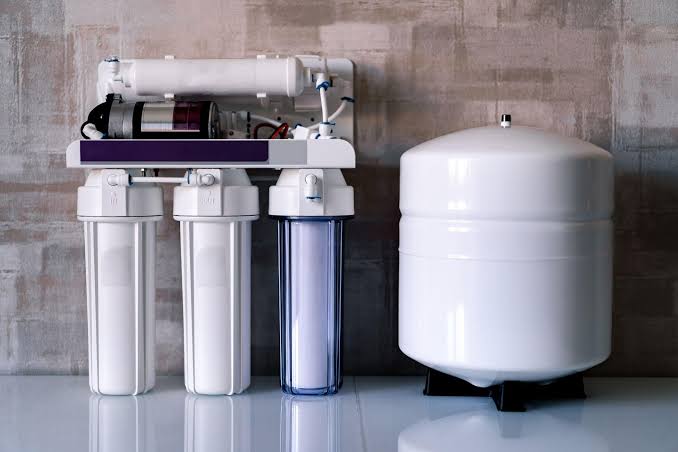
For households looking for an additional level of drinking water treatment, reverse osmosis systems are worth exploring. These systems use pressure to push water through a semipermeable membrane that reduces many dissolved substances. Most residential units also include additional filtration stages designed to improve taste and reduce certain contaminants.
Reverse osmosis is commonly installed beneath the kitchen sink, where it supplies filtered water through a dedicated faucet. This arrangement is convenient for drinking, preparing meals, filling water bottles, and making coffee without needing a separate filtration unit on the countertop.
However, not every RO system offers identical performance. Different models are designed to address different water quality concerns, and their capabilities depend on the membrane, filter stages, and certifications. Checking what a particular system is tested to reduce is more useful than relying on broad marketing claims.
Understanding UV Water Purification
Filtration and disinfection aren’t exactly the same thing. Filters can remove particles or reduce particular substances, while ultraviolet treatment uses UV light to inactivate certain microorganisms as water passes through the treatment chamber.
When appropriately designed and maintained, uv water purification can be a useful option for households concerned about microbial contamination, especially where water comes from a private well or another source requiring additional disinfection.
UV treatment doesn’t remove dissolved minerals, sediment, or chemical contaminants, so it may be combined with other treatment technologies. Water clarity is also important because suspended particles can interfere with UV performance. That’s why proper prefiltration and regular lamp maintenance are often essential parts of a UV installation.
The best approach depends on the water source and test results. UV equipment shouldn’t be selected as a substitute for addressing other water quality problems that may also be present.
Choosing Filtration That Fits Your Household
There are plenty of water treatment options on the market, from basic carbon filters to more advanced multi-stage systems. Rather than choosing the most expensive product, consider how much water your household uses, where you want treatment, and which concerns matter most.
Well-planned home drinking water filtration can include sediment filtration, activated carbon, reverse osmosis, or a combination of technologies. Carbon filtration is often used to improve taste and odor, sediment filters help capture suspended particles, and RO membranes can reduce many dissolved substances.
A family that mainly wants better-tasting water may have different requirements from a household dealing with elevated mineral content or a specific contaminant. There’s no need to install a complicated system if a simpler solution can do the job effectively.
Installation and Maintenance Make a Difference
Even good filtration equipment needs proper installation and routine care. Water pressure, plumbing connections, available space, drainage, and filter compatibility all matter. A poorly installed system can leak, restrict water flow, or fail to deliver the expected performance.
Filter cartridges need replacement according to the manufacturer’s recommendations. RO membranes may require periodic servicing, and UV systems need lamp changes and cleaning to maintain their effectiveness. Ignoring these tasks can reduce system performance over time.
Keeping a simple maintenance record is surprisingly helpful. Write down installation dates, filter changes, and any service visits. If you notice an unusual taste, reduced water flow, or a change in performance, investigate rather than waiting for the problem to become worse.
Making a Practical Investment in Better Water
Choosing a drinking water system isn’t about buying the latest technology or chasing unrealistic promises. It’s about finding a reliable solution that addresses your water quality concerns and works comfortably within your everyday routine.
Start with testing, understand the available technologies, and ask questions before installation. A thoughtfully selected system, combined with proper maintenance, can improve your experience with drinking water for years to come. Sometimes the best improvement is simply knowing that the water you use every day has been treated for the concerns that actually matter to your household.
Related Posts
Living With Well Water in Idaho: Finding the Right Treatment for Your Treasure Valley Home
Having your own well comes with a certain sense of independence. There’s something…
Understand Your Tap Water Better With Professional Water Quality Testing and Treatment
Most people turn on their kitchen faucet without giving much thought to what’s…
Storing Water Safely: What Every Homeowner Should Know
Water is something we expect to be available whenever we turn on a…
