
Key Points
A dependable supply of hot water is something most households take for granted. It’s there when you need to wash dishes, enjoy a relaxing shower, or tackle a mountain of laundry. But when the water heater suddenly stops cooperating, even ordinary household routines become frustrating. Sometimes, the problem begins with inconsistent temperatures. Other times, there’s…
A dependable supply of hot water is something most households take for granted. It’s there when you need to wash dishes, enjoy a relaxing shower, or tackle a mountain of laundry. But when the water heater suddenly stops cooperating, even ordinary household routines become frustrating.
Sometimes, the problem begins with inconsistent temperatures. Other times, there’s an unexpected puddle underneath the appliance or a strange noise coming from the storage tank.
Understanding your options for water heater replacement and repair can help you make sensible decisions without spending money on equipment you don’t necessarily need.
Whether your current unit requires minor attention or has reached the end of its useful life, knowing what to expect can make the experience considerably less stressful.
Recognizing the Signs of a Struggling Water Heater
Water heaters often provide warning signs before they stop working completely. Unfortunately, these symptoms are easy to dismiss when hot water is still available.
Perhaps your morning shower becomes lukewarm halfway through, or the appliance takes noticeably longer to heat another supply of water.
Rumbling noises inside a storage tank may indicate sediment accumulation. Temperature fluctuations could result from a malfunctioning thermostat, heating element, or another component.
Moisture around the equipment deserves prompt attention, particularly if you cannot identify its source.
These symptoms don’t necessarily mean the entire appliance needs replacing.
A qualified technician can examine the equipment, identify potential faults, and determine whether a repair would restore dependable operation.
Getting the problem diagnosed early is often more economical than waiting until the appliance fails completely.
Knowing When Replacement Is the Better Investment
Nobody particularly enjoys purchasing a new water heater unexpectedly. However, repeatedly repairing an aging appliance can become equally frustrating.
Consider how frequently your unit has required attention over the past few years. If breakdowns are becoming more common and performance continues declining, replacement may offer better long-term value.
A leaking storage tank caused by internal corrosion generally requires replacement rather than another temporary repair.
Energy consumption deserves consideration, too. Older equipment may operate less efficiently than suitable modern alternatives, although actual savings depend on the model, energy source, and household usage.
Take time to compare repair estimates with replacement costs.
Sometimes, spending money on another repair makes perfect sense. In other circumstances, putting that money toward a new appliance is the more practical decision.
Why Proper Installation Matters From the Beginning
Buying a reliable water heater is only part of the equation. How it’s installed can significantly influence its performance, safety, and operating life.
Investing in professional water heater installation helps ensure the equipment is appropriately sized, correctly connected, and installed according to applicable safety and plumbing requirements.
Depending on the model, installation may involve electrical connections, gas supply considerations, ventilation requirements, drainage arrangements, and pressure relief devices.
These aren’t details that should be overlooked.
A household upgrading to different heating technology may also require modifications to its existing infrastructure.
Before purchasing equipment, discuss these requirements with your installer. Ask whether additional work is included in the quotation and what warranty conditions apply.
Getting everything right from the beginning can help prevent unnecessary complications later.
Looking After an On-Demand Water Heating System
Tankless equipment has become an attractive option for households looking to reduce standby energy losses and make better use of available space.
Unlike traditional storage units, these systems heat water as it passes through the appliance.
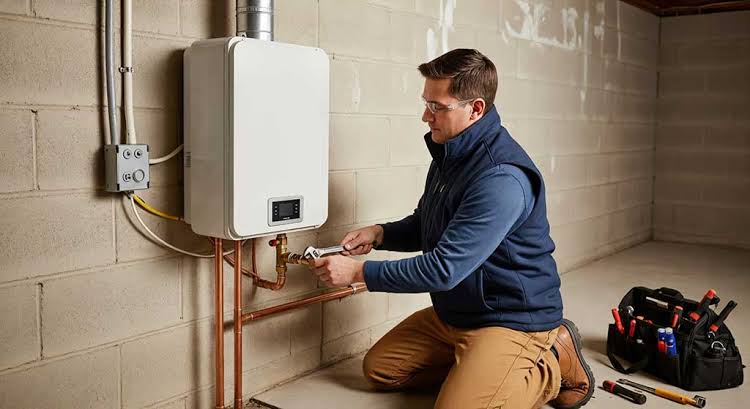
Scheduling an appropriate tankless water heater service can help identify mineral accumulation, restricted water flow, and other concerns that may interfere with efficient operation.
Hard water can contribute to scale buildup inside heat exchangers, potentially affecting performance over time.
Periodic descaling may therefore be necessary, depending on local water conditions and manufacturer recommendations.
It’s also worth remembering that on-demand systems have limitations. While they can provide continuous hot water within their rated capacity, simultaneous showers and appliance usage may exceed that capacity.
Proper sizing and regular maintenance help ensure the equipment accommodates your household’s actual requirements.
Choosing a Water Heater That Fits Your Lifestyle
Every household uses hot water differently.
A family with several children might need considerable heating capacity during busy mornings. Someone living alone may have much more modest requirements.
Traditional storage heaters maintain a reserve of heated water, while on-demand systems operate when hot water is required.
Both approaches offer advantages.
Consider available installation space, fuel sources, operating expenses, peak water demand, and your overall budget.
Don’t assume the most expensive system will automatically deliver the best results.
A properly selected appliance should support your daily routine without introducing unnecessary operating or installation expenses.
Discussing your consumption habits with an experienced professional can make equipment selection much easier.
Simple Maintenance Can Prevent Unnecessary Problems
Water heaters deserve occasional attention, even when everything appears to be working normally.
Depending on the model, storage units may require sediment flushing and anode rod inspections. On-demand equipment may need periodic filter maintenance or descaling.
Follow manufacturer recommendations rather than relying on generic maintenance advice.
Keep the surrounding area accessible and pay attention to developing leaks, unusual noises, or changing heating performance.
Gas connections, electrical components, and safety devices should be serviced by qualified professionals.
A little preventive attention may help extend equipment life and reduce unexpected interruptions.
Making Hot Water One Less Thing to Worry About
Reliable hot water contributes to household comfort in ways that are surprisingly easy to overlook.
Addressing warning signs promptly, choosing suitable replacement equipment, and arranging appropriate maintenance can help protect that everyday convenience.
You don’t need the most elaborate heating system available. You simply need one that suits your home and performs dependably.
After all, a comfortable shower at the end of a long day shouldn’t feel like a luxury. It should be something you can count on.
