


Walk into any business on a normal day — a café buzzing with orders, a hotel preparing rooms, a workshop humming with machines — and water rarely gets any attention. It’s just there. Reliable. Invisible. Expected.
Until it isn’t.
And when it starts to fall short, it doesn’t usually announce itself loudly. It shows up in quieter ways — a slight inconsistency in taste, equipment that needs more maintenance than usual, or operations that just feel a bit less efficient than they should be.
That’s when people begin to realize something important: water isn’t just a utility. It’s part of the system.
When Small Water Issues Turn Into Bigger Business Problems
Most business owners don’t wake up thinking about water quality. There are bigger things to focus on — customers, operations, growth.
But water touches more of those things than we often realize.
In food and beverage businesses, it directly affects taste. In hospitality, it influences guest experience. In industrial setups, it can impact production quality and equipment performance.
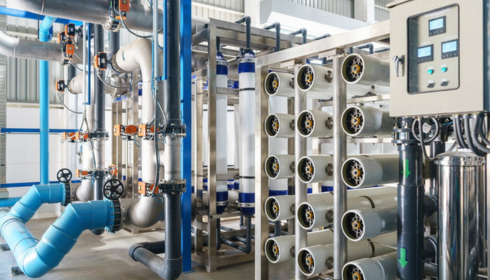
That’s where commercial water treatment solutions start to become less of an upgrade and more of a necessity. They help ensure that the water running through your business supports what you’re trying to achieve, instead of quietly working against it.
It’s not about fixing a crisis. It’s about preventing one.
The Subtle Role of Water in Customer Experience
Think about the last time you had a cup of coffee that didn’t taste quite right. Not bad, just… off.
Chances are, water played a role.
In businesses where customers interact directly with products — restaurants, cafés, salons — water becomes part of the experience. Even if customers don’t consciously think about it, they notice when something isn’t consistent.
This is where business water filtration makes a difference. By removing impurities that affect taste, odor, or clarity, it helps maintain a level of consistency that customers come to expect.
And consistency, in many ways, is what builds trust.
Behind the Scenes: Equipment and Efficiency
While customer-facing quality is important, there’s another side to this — the operational side.
Water that carries minerals or impurities can affect equipment in subtle but costly ways. Scale buildup, reduced efficiency, more frequent repairs — these things don’t always feel urgent, but they add up over time.
Using proper water purification systems can help protect your equipment by ensuring the water running through it is clean and balanced.
It’s not just about avoiding breakdowns. It’s about keeping everything running smoothly, day after day.
And in a business setting, that reliability is everything.
The Cost of Not Paying Attention
One of the challenges with water quality is that its impact isn’t always immediate.
You don’t see a sudden failure. Instead, you see gradual changes — a slight increase in maintenance costs, a drop in efficiency, small inconsistencies that become part of your routine.
Over time, these small issues can turn into larger expenses.
Fixing equipment. Replacing parts. Adjusting processes.
And often, the root cause traces back to something that seemed too simple to question — the water itself.
Finding the Right Approach for Your Business
Not every business has the same needs when it comes to water.
A restaurant might focus on taste and cleanliness. A manufacturing unit might prioritize consistency and equipment protection. A hotel might look at guest comfort and overall experience.
That’s why there’s no single solution that fits everyone.
The key is understanding your specific requirements.
- Are you noticing inconsistencies in product quality?
- Is equipment requiring more maintenance than expected?
- Are customers giving subtle feedback about taste or experience?
These questions can guide you toward the right approach.
Keeping It Practical, Not Overwhelming
It’s easy to feel overwhelmed when exploring water treatment options. There are different systems, technologies, and configurations to consider.
But it doesn’t have to be complicated.
Start with what matters most to your business. Address the biggest issue first. Build from there if needed.
You don’t need a perfect system — you need one that works for your operations.
And often, that’s simpler than it seems.
The Quiet Impact of Better Water
What’s interesting about improving water quality is how it doesn’t demand attention once it’s done.
Things just start working better.
Products taste more consistent. Equipment runs more smoothly. Operations feel more predictable.
It’s not something you think about every day. But it’s something you feel in the absence of problems.
A Foundation You Don’t Have to Think About
At the end of the day, water should be part of your business that you don’t have to worry about.
It should support your operations quietly, without adding extra complexity or unexpected issues.
When your water is right, everything else has a better chance of being right too.
And maybe that’s the real goal — not to make water the center of attention, but to make it so reliable that you can focus on everything else that matters.
Because sometimes, the strongest foundations are the ones you barely notice… until they’re not there.