


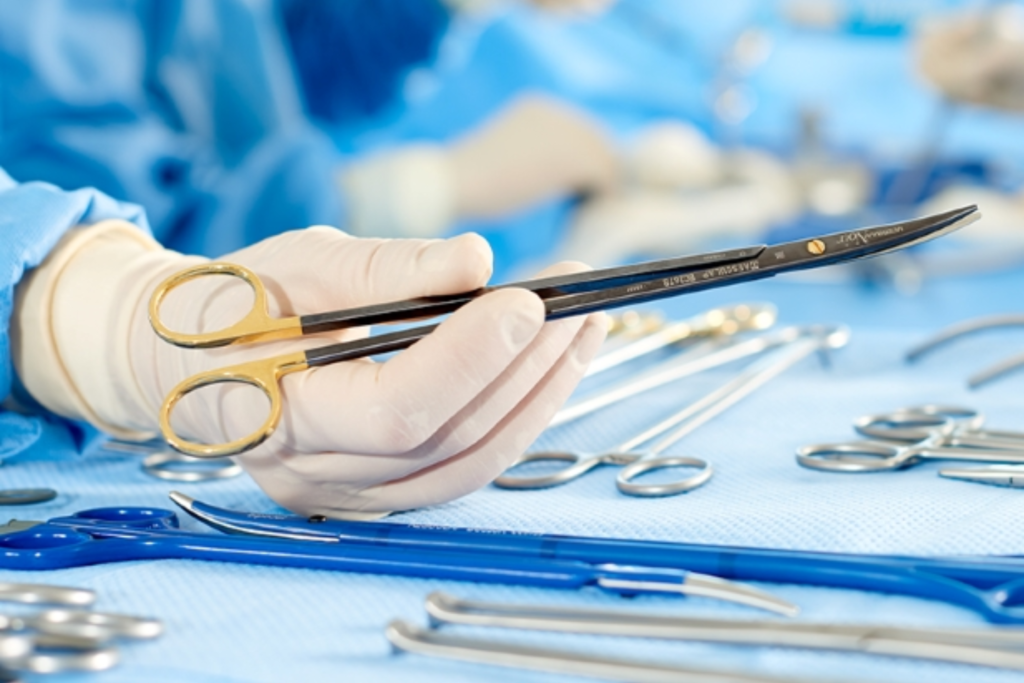
The Tools That Work Behind the Spotlight
When people talk about surgery, they often focus on the visible heroes — the surgeon’s skill, advanced technology, or life-saving procedures. Rarely does anyone think about the instruments lying neatly arranged on a tray before the operation even begins.
Yet those tools matter more than most patients ever realize.
Every clamp, forceps, or scalpel plays a role in translating a surgeon’s knowledge into action. In fact, many medical professionals will tell you that even the most experienced hands can only perform as well as the instruments they use.
It’s not a dramatic story. It doesn’t involve bright screens or robotic arms. But it’s one of the quietest foundations of modern healthcare — the quality of the tools that make surgery possible.
Why Quality Is Never Just a Detail
There’s a reason hospitals invest heavily in high quality surgical instruments. It’s not about prestige or appearances. It’s about reliability, consistency, and safety.
High-quality instruments are designed to withstand repeated sterilization cycles without losing their structural integrity. They maintain sharpness longer, provide better alignment, and offer smoother handling during delicate procedures.
On the other hand, lower-quality tools can create subtle but significant problems. Hinges may loosen over time. Cutting edges may dull quickly. Gripping surfaces might fail to provide stable control.
These issues don’t just slow down surgical workflows — they can directly affect precision and increase risks.
Quality, in this context, isn’t a luxury. It’s a necessity.
The Role of Precision in Surgical Performance
One of the most important aspects of surgical instrumentation is the ability to support precision performance.
Surgery often involves working within extremely small margins. A fraction of a millimeter can determine whether a procedure proceeds smoothly or encounters complications.
High-quality instruments help surgeons achieve this level of accuracy. Balanced weight distribution allows for better control. Ergonomic designs reduce hand fatigue during lengthy procedures. Smooth surfaces prevent unnecessary tissue trauma.
Even small details, like how a forceps tip aligns or how smoothly a hinge operates, can influence the outcome of a delicate maneuver.
It’s a reminder that precision in surgery isn’t just about human skill — it’s also about the tools that support it.
How Instrument Quality Affects Patient Results
Ultimately, the purpose of any surgical tool is to improve surgical outcomes.
When instruments function reliably, procedures can be performed more efficiently. Reduced operating time often means lower infection risks and quicker recovery for patients.
Clean, precise cuts promote better healing and minimize scarring. Stable gripping tools reduce tissue damage. Consistent instrument performance allows surgeons to focus fully on patient care rather than adjusting to equipment limitations.
In many cases, the connection between instrument quality and patient outcomes is indirect but powerful.
It’s one of those influences that operates quietly — almost invisibly — yet has a lasting impact.
The Human Connection to Surgical Tools
Interestingly, surgical instruments aren’t just mechanical objects to the professionals who use them.
Over time, surgeons develop a strong familiarity with their tools. They know how each instrument feels, how it responds under pressure, and how much force is required for specific tasks.
This relationship is built on trust.
When surgeons feel confident in their instruments, they can focus entirely on the procedure itself. When uncertainty exists — perhaps due to inconsistent quality — it introduces unnecessary distractions.
In a high-stakes environment like an operating room, even small distractions can matter.
That’s why many surgeons prefer to work with specific instrument brands or models they trust.
The Importance of Material and Manufacturing Standards
Behind every high-quality surgical instrument lies a careful manufacturing process.
Medical-grade stainless steel is commonly used because of its resistance to corrosion, durability, and ability to withstand repeated sterilization. Precision machining ensures accurate alignment and smooth operation.
Quality control processes also play a crucial role. Instruments must meet strict regulatory standards to ensure safety and performance.
These standards aren’t just bureaucratic requirements — they’re safeguards that protect both medical professionals and patients.
Maintenance: Protecting Long-Term Performance
Even the best instruments require proper care.
Regular cleaning, sterilization, and inspection help maintain functionality and extend lifespan. Proper storage prevents damage and ensures readiness for future procedures.
Training staff in correct handling techniques is equally important. Simple mistakes, such as improper cleaning methods or excessive mechanical stress, can shorten instrument life significantly.
Maintenance isn’t just a routine task — it’s part of preserving quality over time.
Balancing Quality with Cost Considerations
Healthcare budgets are always under pressure, which can make purchasing decisions challenging.
While high-quality instruments often require a higher initial investment, they typically offer better long-term value. Durable tools reduce replacement frequency, minimize maintenance costs, and improve operational efficiency.
In contrast, lower-quality instruments may appear cost-effective at first but can lead to higher expenses over time due to frequent replacements and performance issues.
When viewed from a broader perspective, investing in quality becomes both a clinical and financial decision.
Looking Toward the Future of Surgical Instrumentation
Advancements in materials science and manufacturing technology continue to improve surgical instruments.
Modern tools are becoming lighter, stronger, and more ergonomically designed. Some incorporate digital features that enhance accuracy and feedback during procedures.
Sustainability is also gaining attention, with manufacturers exploring eco-friendly materials and production processes.
These developments suggest that surgical instruments will continue evolving to meet the changing needs of healthcare systems worldwide.
A Quiet Foundation of Medical Excellence
Most patients will never see the tools used during their surgery. They’ll remember the experience differently — the reassurance of skilled doctors, the relief of recovery, and the return to normal life afterward.