


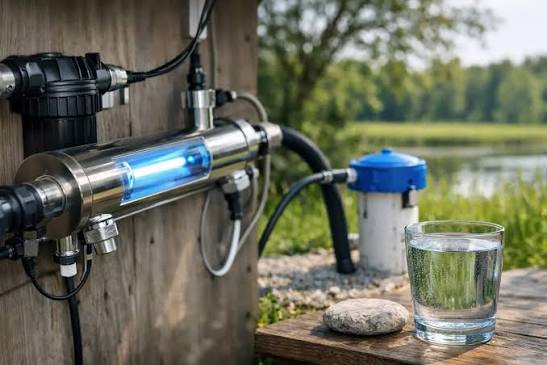
Water is one of those everyday essentials we rarely stop to think about. It runs from the kitchen faucet, fills the washing machine, flows through the shower, and quietly keeps the household moving. But when the water starts tasting strange, leaving mineral spots behind, or creating problems for appliances, you suddenly realize how much you depend on it.
The good news is that improving household water doesn’t have to be complicated. The trick is understanding what you’re dealing with first.
Different homes have different water sources, plumbing systems, and water quality concerns. A house supplied by a municipal utility may have very different needs from a property using a private well. Even two homes next door to each other can experience differences because of plumbing and local conditions.
That’s why the best approach starts with information, not guesswork.
Every Home Has Its Own Water Story
There isn’t one treatment system that works perfectly for every household. Water can contain hardness minerals, sediment, chlorine, iron, manganese, or other substances depending on its source and surroundings.
Hard water is especially common and can leave white deposits around faucets and showerheads. It can also create scale inside water heaters, dishwashers, and other appliances that regularly use heated water.
Other homeowners may be more concerned about taste and odor. Private well owners may need to pay attention to bacteria, sulfur odors, iron, or other naturally occurring substances.
Testing your water can help identify what is actually present. It may sound like an extra step, but it can save you from buying equipment that doesn’t address your particular problem.
Choosing Residential Water Treatment With Purpose
When people start shopping for residential water solutions, it’s easy to get overwhelmed by product names and technical specifications.
The better question isn’t “Which system is the best?” It’s “Which system is best for my water?”
If hardness is the main issue, a water softener may be appropriate. If sediment is causing cloudy water or clogging fixtures, sediment filtration could help. If chlorine taste and odor are the concern, activated carbon filtration is commonly used for that purpose.
For specific dissolved contaminants, more advanced treatment may be necessary.
This approach keeps things practical. You aren’t paying for technology just because it sounds impressive. You’re paying for treatment that solves an identified problem.
The Convenience of Clean Water Throughout the House
There is something appealing about knowing that water is treated before it reaches your faucets.
A whole-house system can provide clean water from every tap, rather than limiting treatment to one kitchen faucet.
This can be especially useful when the water quality concern affects more than drinking water. If hard water is causing scale throughout the house, filtering only the kitchen tap won’t solve the problem. Likewise, if sediment is affecting multiple fixtures, point-of-use treatment may not be enough.
Whole-house systems are typically installed where water enters the property. That means the treated water can then travel through the home’s plumbing to showers, bathrooms, laundry areas, and kitchen fixtures.
Of course, whole-house treatment isn’t automatically necessary. If your only concern is drinking water taste, a smaller point-of-use system may be a more economical choice.
Why Reverse Osmosis Is Popular for Drinking Water
Sometimes homeowners want an additional level of treatment specifically for the water they drink and cook with.
Reverse osmosis drinking water systems are designed to use a semi-permeable membrane along with other filtration stages to reduce many dissolved substances from water.
They’re commonly installed under the kitchen sink and connected to a dedicated drinking-water faucet. For households concerned about certain dissolved contaminants or simply looking for highly treated drinking water, RO can be a useful option when properly selected.
There are trade-offs. RO systems require filter and membrane replacement, and they typically produce some wastewater during the treatment process.
Still, many homeowners like the improvement in taste and the convenience of having treated drinking water available right at the kitchen sink.
Don’t Confuse Filtration With Softening
Water filtration and water softening solve different problems, and this distinction matters.
A filter may reduce sediment, chlorine, or certain contaminants depending on its design. A water softener is primarily intended to reduce hardness minerals such as calcium and magnesium.
If your showerhead is covered in scale and your glassware constantly shows white spots, you may have a hardness issue rather than a simple filtration problem.
On the other hand, if the water tastes strongly of chlorine, installing a softener isn’t likely to solve that particular concern.
The right treatment depends on the cause. It sounds obvious, but it’s one of the easiest mistakes to make when choosing equipment.
Maintenance Shouldn’t Be an Afterthought
Even a high-quality treatment system needs regular attention.
Filters have to be replaced. Softener systems need servicing and appropriate regeneration. RO membranes eventually wear out. Whole-house equipment should be inspected periodically.
Keep track of service dates instead of relying on memory. A simple reminder on your phone can prevent a filter from being forgotten for months.
Also pay attention to changes in water pressure, taste, odor, or appearance. If something suddenly changes, investigate it. The system may need maintenance, or there may be a change in the incoming water itself.
Think About the Long-Term Value
Water treatment isn’t just about making water taste better today. It can also be about protecting the things that depend on that water.
Reducing hardness can help control mineral scale in plumbing and appliances. Appropriate filtration can improve the water used for drinking and cooking. Whole-house treatment can address water quality concerns throughout the property.
But don’t buy more equipment than you need.
A well-designed system that fits your water conditions is usually more valuable than an oversized collection of filters and gadgets that are difficult to maintain.
A Better Water System Starts With a Better Decision
The best residential water treatment plan begins with a simple process: test the water, identify the problem, choose the appropriate technology, and maintain it properly.
Some homes need basic filtration. Others benefit from softening or whole-house treatment. For drinking water, reverse osmosis can provide another useful layer of treatment when appropriate.
There’s no need to make the decision harder than it has to be.
Understand your water, ask good questions, and choose equipment based on actual needs rather than marketing claims. Done properly, water treatment becomes one of those home improvements you don’t think about very often — because everything simply works the way it should.